The degradation of press freedom in Pakistan-occupied Jammu and Kashmir (PoJK) and Gilgit-Baltistan (PoGB) is not a series of isolated incidents but a systemic application of information control designed to maintain administrative hegemony. By leveraging legal ambiguity, physical intimidation, and digital bottlenecks, the state apparatus ensures that the cost of independent reporting remains prohibitively high. This environment creates a vacuum where local grievances are decoupled from the broader regional narrative, effectively neutralizing dissent before it can gain external momentum.
The Tripartite Framework of Information Suppression
The containment of media in these regions operates through three distinct mechanisms that function in concert to paralyze the journalistic process.
1. Legal Instability and Administrative Preemption
The legal architecture in PoJK and PoGB is characterized by a lack of constitutional clarity, which the state exploits to categorize journalism as "anti-state activity." Laws such as the Anti-Terrorism Act (ATA) and various cybercrime ordinances are frequently repurposed to target reporters. This creates a preemptive censorship effect; journalists are forced to calculate the legal risk of every word, leading to a pervasive culture of self-censorship. The ambiguity of what constitutes "national interest" allows the administration to move the goalposts at will, ensuring that no reporter can ever be certain of their safety.
2. Economic Strangulation and Dependency
Media outlets in these regions are often small-scale and lack diverse revenue streams. The state exploits this vulnerability by controlling the distribution of government advertisements, which serve as the primary financial lifeline for local newspapers and digital portals.
- Advertising Blacklists: Outlets that report on sensitive issues like land rights, resource extraction, or human rights violations are systematically denied government contracts.
- Licensing Bottlenecks: The bureaucratic process for obtaining or renewing media licenses is used as a tool for political screening.
- The Subsistence Trap: By keeping the media financially precarious, the state ensures that editors prioritize survival over investigative rigor.
3. Kinetic Intimidation and Paramilitary Oversight
Beyond legal and economic pressure lies the reality of physical risk. Activists like Amjad Ayub Mirza have highlighted that journalists in PoJK and PoGB face direct threats from intelligence agencies and paramilitary forces. This kinetic layer of suppression includes:
- Extra-legal Detentions: Short-term "disappearances" used to extract sources or intimidate families.
- Physical Surveillance: Monitoring of press clubs and individual movements to disrupt the flow of information between local sources and international outlets.
- The Exile Pressure: The systemic push that forces vocal critics to operate from abroad, thereby severing their direct connection to ground-level developments and making their reporting easier to dismiss as "foreign propaganda."
The Feedback Loop of Media Silencing
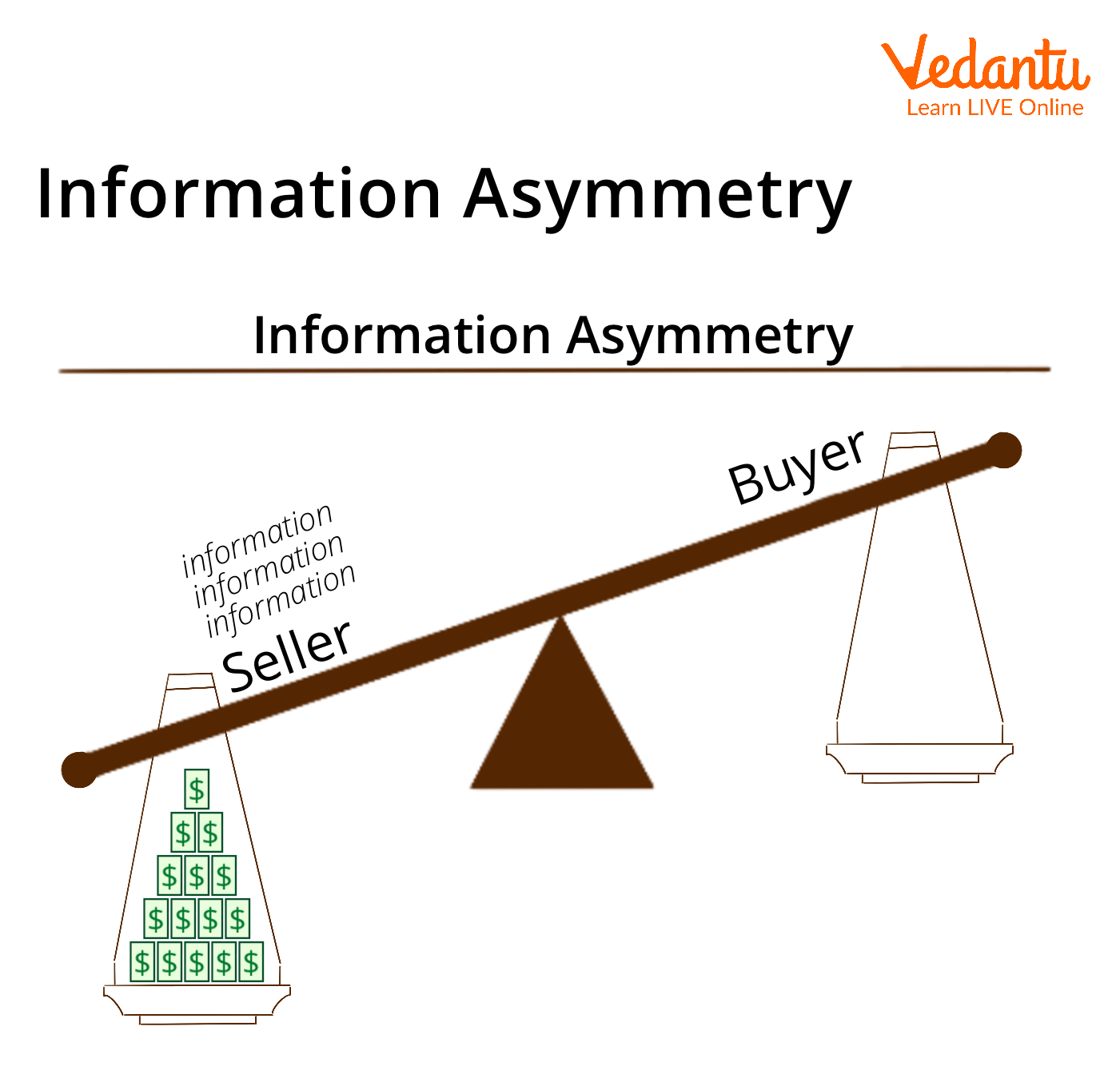
The suppression of the press creates a specific failure in the regional socio-political ecosystem. When local journalists are silenced, the primary "truth-testing" mechanism of the public is destroyed. This results in an information asymmetry where the state controls the narrative, and the populace is left without a verified platform to voice concerns regarding infrastructure, inflation, or political disenfranchisement.
The state’s objective is to break the chain of accountability. In a functional media environment, a localized protest against electricity prices in Muzaffarabad would be documented, verified, and disseminated to global human rights bodies. In the current PoJK/PoGB environment, the suppression of the media ensures that such events remain localized, fragmented, and eventually forgotten. This is the Isolation Strategy: by preventing the vertical movement of information from the local level to the international stage, the state maintains a facade of stability while the underlying tensions remain unaddressed.
Digital Frontiers and the New Censorship
As traditional print and broadcast media have been largely neutralized, the battle for information has shifted to digital platforms. However, the state has adapted its tactics to meet this shift.
Bandwidth Management as Policy
Periodic internet shutdowns and the throttling of 4G services in sensitive areas serve as a crude but effective kill-switch. These disruptions are rarely justified by technical failures; they are strategic interventions during times of civil unrest or significant political anniversaries. The inability to upload high-definition video or livestream events cripples the ability of "citizen journalists" to provide real-time evidence of state action.
The Algorithm of Misinformation
State-sponsored digital wings engage in "narrative flooding." When a critical report surfaces, it is met with a high volume of contradictory, unverified content designed to confuse the reader and dilute the impact of the original reporting. This creates a state of Epistemic Exhaustion, where the average consumer of news gives up on trying to discern the truth amidst the noise, defaulting back to the state-approved version of reality.
The Structural Paradox of World Press Freedom Day
The annual observation of World Press Freedom Day in these regions highlights a fundamental paradox. While the state may allow symbolic gatherings or statements, the underlying power structures remain untouched. Activism from figures like Mirza serves to shine a light on these discrepancies, but the international community's response often lacks the policy leverage required to force systemic change.
The gap between international standards and regional reality is widening. While the world discusses "digital rights" and "AI in journalism," the reporters in PoGB are still struggling with the fundamental right to report on a local protest without facing charges of sedition. This divergence means that global advocacy often misses the mark, focusing on high-level policy while ignoring the raw, kinetic methods of control used on the ground.
Strategic Realignment for Information Integrity
To bridge the gap between state narratives and ground-level reality, a shift in the information distribution model is required.
- Decentralized Verification: Moving away from centralized press clubs—which are easy targets for surveillance—toward decentralized, encrypted networks for information verification.
- External Archiving: Creating "Safe Repositories" for data and footage outside of the immediate jurisdiction of the state to prevent the permanent erasure of evidence during raids or shutdowns.
- Cross-Border Media Synergies: Building stronger links between local reporters and international media syndicates to ensure that a threat against a local journalist carries a higher international diplomatic cost.
The maintenance of the status quo depends entirely on the state's ability to keep the costs of reporting high and the benefits of compliance visible. Only by lowering the technical and legal barriers for independent verification can the cycle of censorship be disrupted. The goal is not merely to report the news but to ensure that the infrastructure of reporting itself becomes resilient to state interference.