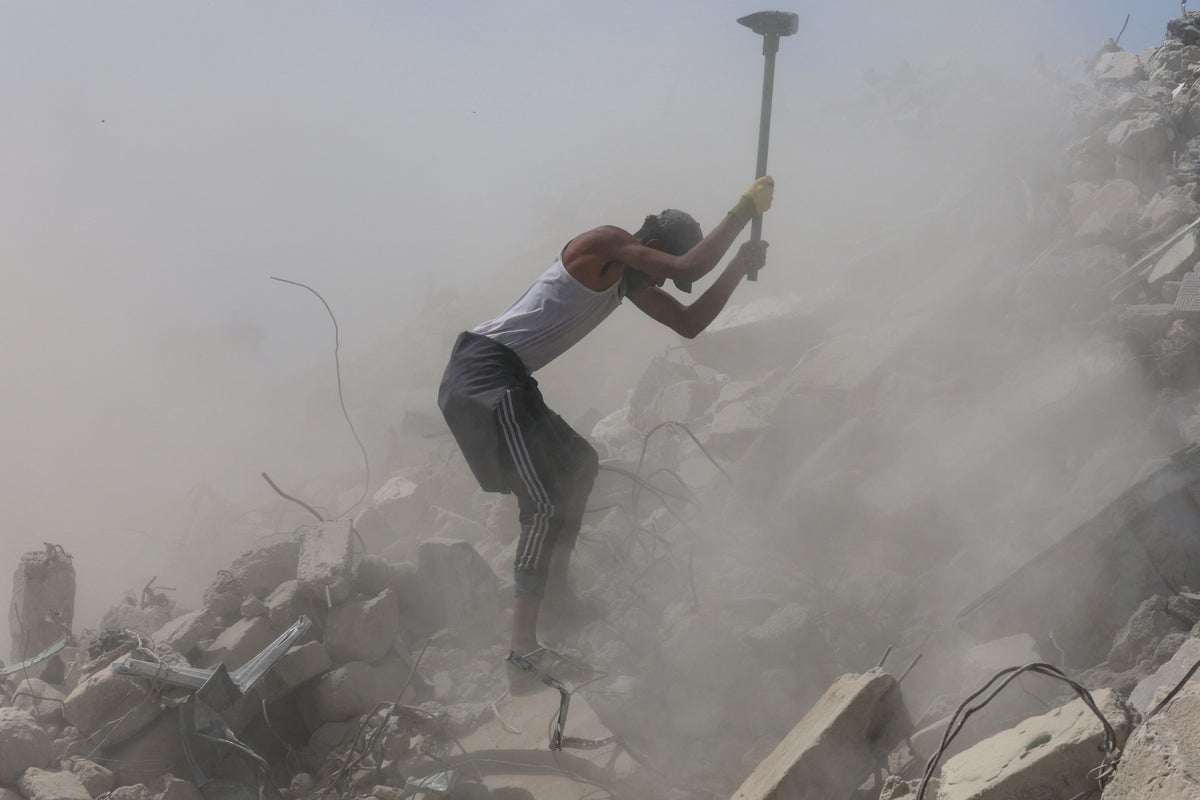
The dust in Khan Younis does not just coat the skin; it settles in the lungs with the metallic tang of pulverized rebar and ancient concrete. For thirty-two-year-old Ibrahim al-Sarsawi, this toxic grit is the smell of a paycheck. He spends his days feeding the jagged remains of a former apartment complex into a mobile crusher, a machine that grinds the skeletal remains of Gaza into a coarse, grey gravel. This recycled rubble is currently the only thing standing between the enclave and total infrastructure collapse. While the Trump administration’s high-profile "Board of Peace" remains entangled in diplomatic bureaucracy and funding disputes in Davos, the people on the ground have stopped waiting for the billion-dollar cavalry. They are literally paving the way forward with the ruins of their past.
The scale of the wreckage is almost impossible to visualize. The United Nations Development Programme (UNDP) estimates that Gaza is buried under 61 million tons of debris. To put that in perspective, if you loaded that rubble onto a fleet of trucks, the line would stretch from Gaza to New York and back. This mountain of waste isn't just an eyesore; it is a graveyard, a minefield of unexploded ordnance, and a physical barrier blocking access to water wells, hospitals, and schools.
The Friction Between Grand Vision and Gritty Reality
The Trump administration’s 20-point "Comprehensive Plan to End the Gaza Conflict" was sold as a masterstroke of business-minded diplomacy. It promised a $71 billion transformation, turning a war-torn strip into a technocratic hub overseen by a "Board of Peace" and secured by an International Stabilization Force (ISF). In Washington, the talk is of "capital mobilization" and "best-in-class services." In Gaza, the reality is that six months after the ceasefire, only 0.5% of the rubble has been cleared.
The bottleneck is not a lack of ambition, but a fundamental disconnect between high-level political demands and the mechanical requirements of reconstruction. The Trump plan hinges on a "demilitarized, terror-free zone," a condition that Israel uses to justify continued strict "dual-use" restrictions on construction materials. Steel, cement, and even certain types of water pumps are frequently blocked at the Kerem Shalom crossing, viewed as potential components for future tunnels rather than tools for rebuilding.
This creates a paradox. The international community cannot rebuild without materials, but the materials cannot enter until the security situation is "perfect." While the Board of Peace debates the vetting process for Palestinian police, the streets remain impassable for aid trucks and ambulances.
The Rise of the Rubble Economy
Faced with a blockade on fresh cement and gravel, the UNDP and local Palestinian engineers have turned to the only resource they have in abundance: the ruins. This is not just a desperate measure; it is an industrial-scale recycling operation.
The process is grueling. First, specialized teams from the UN Mine Action Service (UNMAS) must sweep the ruins for unexploded bombs. Once cleared, heavy machinery—often salvaged and repaired with improvised parts—tears into the concrete.
- Sorting: Workers manually pull twisted steel rebar from the concrete. This metal is often straightened and reused for basic structural reinforcement.
- Crushing: Mobile units grind the concrete into various grades of aggregate.
- Paving: The resulting material is used as a sub-base for roads and as a foundation for "community kitchens" and temporary shelters.
"We have used almost the same amount that we have collected," says Alessandro Mrakic, head of the UNDP’s Gaza office. It is a closed-loop system born of necessity. By using recycled aggregate, they bypass the need for imported gravel, which is both expensive and frequently barred by Israeli security officials.
Why the Billion Dollar Pledges are Stalling
If you listen to the press releases from the Board of Peace, the reconstruction is a matter of "when," not "if." But the financial plumbing is backed up. Of the 62 countries invited to join the board, only 25 have signed the charter. The requirement for participating nations to contribute $1 billion to "renew membership" after three years has turned away smaller donors and created a "pay-to-play" atmosphere that many European nations find distasteful.
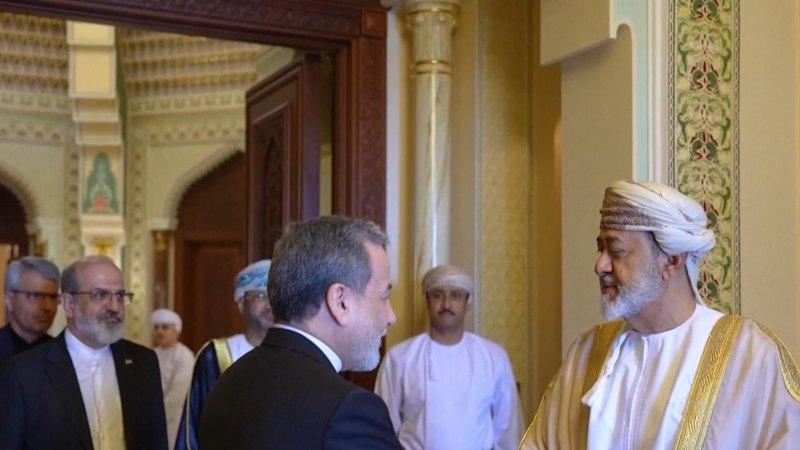
Furthermore, the Trump plan’s insistence on bypassing the United Nations in favor of a new, US-led technocratic committee has triggered a territorial dispute over aid. The UN already has the logistics, the staff, and the local knowledge. The Board of Peace has the political backing and the big-ticket promises. Until these two entities find a way to coexist, billions in pledged aid remain sitting in bank accounts while Gazans live in tent camps infested with rodents.
The Financial Gap
| Entity | Pledged/Required | Actual Disbursed/Actioned |
|---|---|---|
| Total Reconstruction Cost | $71.4 Billion | < 1% |
| UNDP Rubble Project | $9.1 Million (Japan) | Active & Ongoing |
| Board of Peace Fund | Undisclosed | Stalled in Treasury |
The $9.1 million recently contributed by Japan to the UNDP is a drop in the ocean, yet it is currently more impactful than the billions promised by the Board of Peace because it is being spent on the ground today. It funds the fuel for the crushers and the wages for men like al-Sarsawi.
The Invisible Dangers Beneath the Concrete
The "why" behind the slow progress isn't just political; it’s lethal. Thousands of tons of unexploded ordnance (UXO) are buried in the 61 million tons of debris. Every time a bulldozer blade hits a pile of rubble, there is a statistical chance of a detonation.
This danger is compounded by the presence of hazardous materials. Asbestos, common in Gaza's older buildings, is being turned into toxic dust by the crushing process. Without proper protective gear—which is also subject to import restrictions—the workers rebuilding Gaza’s roads may be facing a secondary health crisis in the decades to come.
The New War of Infrastructure
Sobhi Dawoud, a 60-year-old living in a Khan Younis tent camp, calls this the "new war." It is a war against time, disease, and the elements. All six wastewater treatment plants in Gaza are out of service. 85% of sewage pumping stations are dark. Raw sewage is flowing into the Mediterranean or pooling in the streets, leading to a spike in skin diseases and hepatitis.
The Trump administration’s plan treats reconstruction as a business development project—a "Gaza 2.0" that will eventually feature luxury waterfronts and tech hubs. But you cannot build a tech hub when the children are suffering from chronic malnutrition and the soil is contaminated with sewage. The immediate need is for boring, unglamorous things: lubricating oil for generators, spare parts for water pumps, and fuel for trash trucks.
The Strategy of Small Wins
While the grand geopolitical chess match continues, the survival of Gaza depends on the "rubble-to-roads" strategy. It is an imperfect solution. Recycled concrete aggregate (RCA) is not as durable as virgin stone. Roads paved with it will likely need repair within a few years. But in a territory where the electricity grid has been down since October 2023, "good enough" is the gold standard.
The focus must shift from the abstract billions of the Board of Peace to the immediate mechanical needs of the UNDP and local municipalities. If the international community wants to see the Trump plan succeed, it must first allow the "dual-use" materials necessary to fix a sewer pipe.
The failure to move past the security-paralysis phase of the ceasefire means that the "Board of Peace" risks becoming a hollow monument to a vision that never touched the ground. Meanwhile, the real reconstruction of Gaza is happening one crushed brick at a time, driven by men who have no choice but to build a future out of the fragments of their homes.
The people of Gaza are not waiting for a signature in Davos. They are already at work. The question is whether the world will give them the tools to finish the job before the next crisis hits.