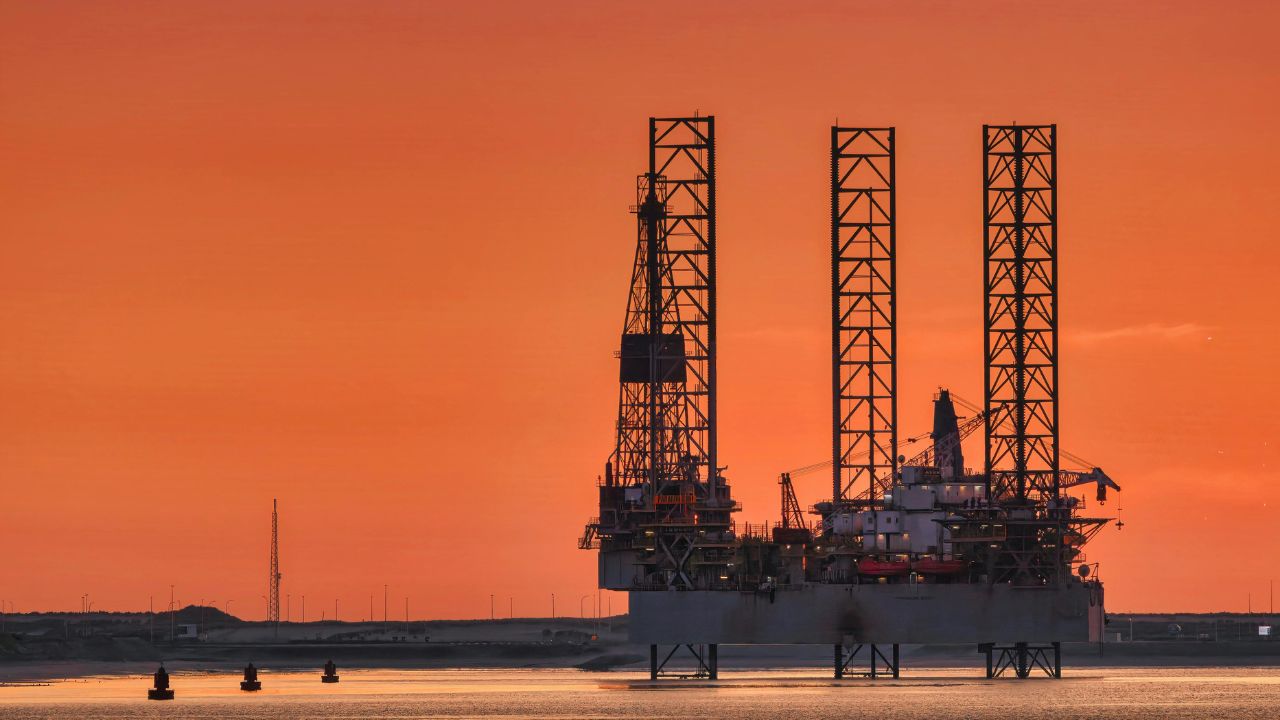
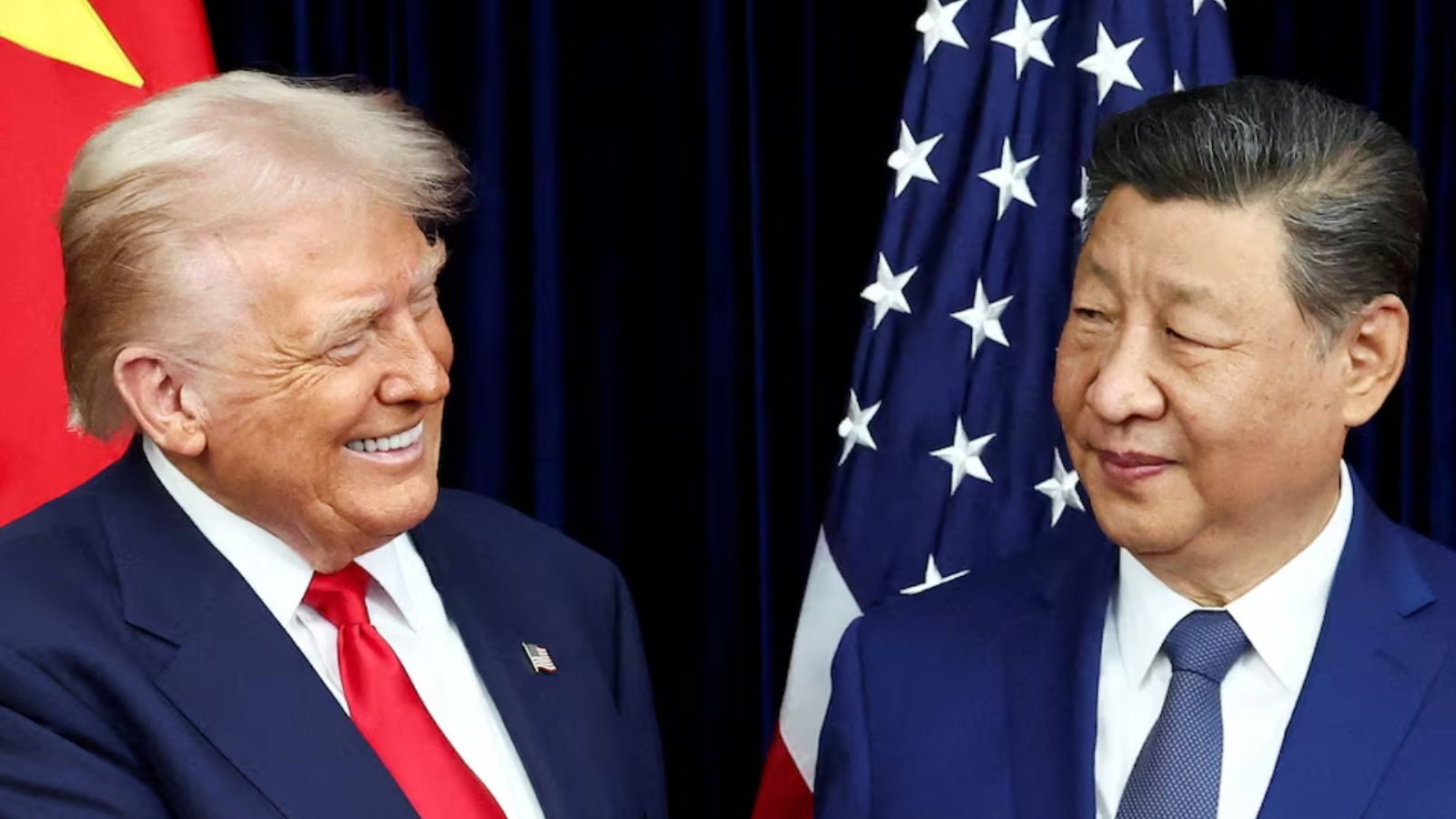
The global market rally, which had been gaining momentum on the back of cooling inflation and resilient consumer spending, hit a brick wall at the narrowest point of the Persian Gulf. By late February 2026, the Strait of Hormuz transitioned from a theoretical risk to an active economic wound. This 21-mile-wide passage, responsible for the transit of nearly 21 million barrels of oil and one-fifth of global liquefied natural gas (LNG) daily, is currently the site of the most significant energy disruption since the 1970s. The immediate result was a violent spike in Brent crude, which surged past $120 per barrel, effectively sucking the oxygen out of equities and reigniting fears of a stagflationary spiral that many analysts thought had been buried in 2024.
While surface-level reports blame "geopolitical tension," the mechanics of this market stagnation are more precise. The rally died because the cost of certainty became too high. When Iran’s Islamic Revolutionary Guard Corps (IRGC) began employing a mix of sea mines, satellite spoofing, and drone strikes against merchant vessels, the shipping industry didn't just slow down—it stopped. Global markets can price in a shortage; they cannot price in a total loss of transit.
The Physicality of the Blockade
Unlike previous skirmishes in the region, the 2026 crisis isn't just a war of words. It is a physical denial of access. Currently, traffic through the strait has plummeted by over 95%. This isn't merely because of the threat of missiles. The psychological and financial barrier of the "silent killers"—underwater mines—has made the route uninsurable.
Insurance premiums for tankers attempting the crossing have shifted from a standard 0.2% of hull value to over 1%, and in many cases, coverage has been withdrawn entirely. Shipowners are now faced with a brutal choice: risk a multi-hundred-million-dollar asset or take the long way around the Cape of Good Hope. Choosing the latter adds roughly 15 days to a voyage and increases fuel consumption by 40%, creating a secondary inflationary pressure that is rippling through the manufacturing hubs of Asia and Europe.
Why the OPEC Cushion Failed
Earlier in the year, the prevailing market sentiment was one of "oversupply." Forecasters at Fitch and the EIA pointed to a 3-million-barrel-per-day supply growth in 2025 as a safety net. They were wrong. The market rally was predicated on the idea that spare capacity in Saudi Arabia and the UAE could offset any regional friction.
However, capacity is meaningless without a way to get the product to the buyer. While Saudi Arabia and the UAE possess pipelines that can bypass the strait—such as the East-West Pipeline to the Red Sea—these alternatives can only handle a fraction of the total volume. Approximately 15 million barrels per day remain "trapped" behind the blockade. Even as OPEC+ members agreed to symbolic production increases in May 2026, the gesture did little to calm the markets. You can pump more oil into the desert, but if the tankers can't leave the Gulf, the price at the pump in Berlin or Seoul stays high.
The Algorithm Effect
To understand why the market rally stopped so abruptly, one must look at the systematic selling triggered by the crisis. Commodities Trading Advisor (CTA) funds and hedge funds shifted their weightings with mechanical precision.
- Energy Allocations: CTA funds typically hold a 15% weighting in energy. As the Hormuz volatility index doubled, these funds spiked their allocations to 45%, forcing a massive rotation out of tech and consumer discretionary stocks.
- Implied Volatility: The "fear gauge" for oil futures didn't just rise; it broke through baseline levels, with implied volatility exceeding 80%. This forced market makers to hedge their positions aggressively, creating a feedback loop of selling in broader equity indices.
The Asia Vulnerability Gap
The most overlooked factor in this stifled rally is the specific pain felt in Asian manufacturing. Unlike the United States, which has achieved a degree of energy independence through shale, giants like China, India, and Japan rely on the Strait of Hormuz for roughly 80% of their crude imports.
When the strait effectively closed, these nations didn't just see higher prices; they saw a threat to industrial continuity. In Japan, the Nikkei 225 showed initial resilience, but the underlying data reveals a sharp contraction in manufacturing PMI as energy costs began to eat into margins. The "rally" that investors were hoping for was built on the assumption of cheap, flowing energy that fuels the "factory of the world." With that flow cut, the valuation multiples for global shipping and manufacturing companies have been forcibly recalibrated.
Beyond the Barrel
It is a mistake to view this purely as an oil story. The Strait of Hormuz is a primary artery for the global fertilizer and chemical markets. The interruption of sulfur and sulfuric acid supplies—critical for metal processing and agriculture—is creating a delayed-action bomb for global food and tech supply chains.
If the strait remains "effectively closed" for another quarter, even with the reported $1 million "tolls" Iran is attempting to extort from passing ships, we are looking at a restructuring of global trade. The era of just-in-time energy is over. Companies are now being forced to move toward "just-in-case" inventory building, which is inherently deflationary for stock prices as it ties up capital that would otherwise be used for R&D or share buybacks.
The standoff between U.S. naval forces and Iranian shore batteries continues to keep the risk premium pegged at maximum. Until there is a credible, permanent security guarantee for the passage—one that clearinghouses and insurers actually believe—the market rally will remain a memory. The ceiling for equities is now dictated not by earnings reports, but by the number of tankers that can safely clear the 21-mile gap without hitting a mine or a drone.
The next tactical shift to watch isn't the Fed's interest rate decision. It's the deployment of autonomous minesweeping fleets and the potential for "tanker wars" style naval escorts. If the military can't clear a path, the market can't find a bottom.