A pen hovers over a heavy oak desk in Washington, its ink dark and ready to change the weight of the air in a city seven thousand miles away.
In Tehran, the morning air smells of diesel and roasting flatbread. A shopkeeper named Elias adjusts the awning of his small grocery store. He does not see the pen. He does not hear the high-level briefings or the rustle of intelligence folders. But he feels the vibration of the rhetoric. When a president across the ocean speaks of "misbehavior" and "reviews," the price of Elias’s imported rice climbs before the sun reaches its zenith. This is the kinetic energy of geopolitics. It starts as a sentence in a briefing room and ends as a hollow space in a family’s pantry.
The Joint Comprehensive Plan of Action (JCPOA) was never just a document of technical specifications and centrifuge counts. It was a fragile bridge built over a chasm of forty years of scorched earth. Now, that bridge is being inspected with a magnifying glass and a sledgehammer. The current administration has signaled that the grace period for the 2015 nuclear deal is over. The review isn't just about compliance; it is a fundamental questioning of whether the bridge should exist at all.
The Ledger of Compliance
To understand the tension, you have to look at the math. In the sterile rooms of the International Atomic Energy Agency, inspectors measure grams. They count seals. They verify that Iran has shipped out the vast majority of its enriched uranium and dismantled the heart of its plutonium-producing reactor. On paper, the technical requirements are being met. The boxes are checked.
But there is a second ledger. This one is kept in the halls of the West Wing, and it isn't written in grams of uranium. It is written in the influence of militias in Lebanon, the trajectory of ballistic missiles over the Arabian Peninsula, and the shadow of Iranian presence in Syria. This is where the "spirit" of the deal and the "letter" of the deal diverge.
The administration argues that a deal that only freezes a nuclear clock while allowing the rest of the house to burn is a bad bargain. They see a nation emboldened by the infusion of cash and the lifting of sanctions, using those resources to project power in ways that make the neighborhood—and the world—a more volatile place. If the deal doesn't address the missiles, if it doesn't address the regional aggression, then to the men in the Oval Office, the deal is a failure.
The Weight of the Threat
"Misbehavior" is a domestic word. We use it for children who won't eat their vegetables or dogs that bark at the mailman. In the context of the Middle East, it is a euphemism for something far more jagged. When the President says strikes are possible if Tehran "misbehaves," he is shifting the posture from diplomatic containment to active deterrence.
Military strikes are not surgical. They are ruptures.
Imagine a pilot in a cockpit, the green glow of the instrument panel reflecting in his visor. He is the tip of a spear that cost billions of dollars to sharpen. Beneath him, the geography of Iran is a mosaic of ancient history and modern defiance. A strike on a nuclear facility is not just an explosion; it is a geopolitical tectonic shift. It triggers a sequence of events that no one can fully script.
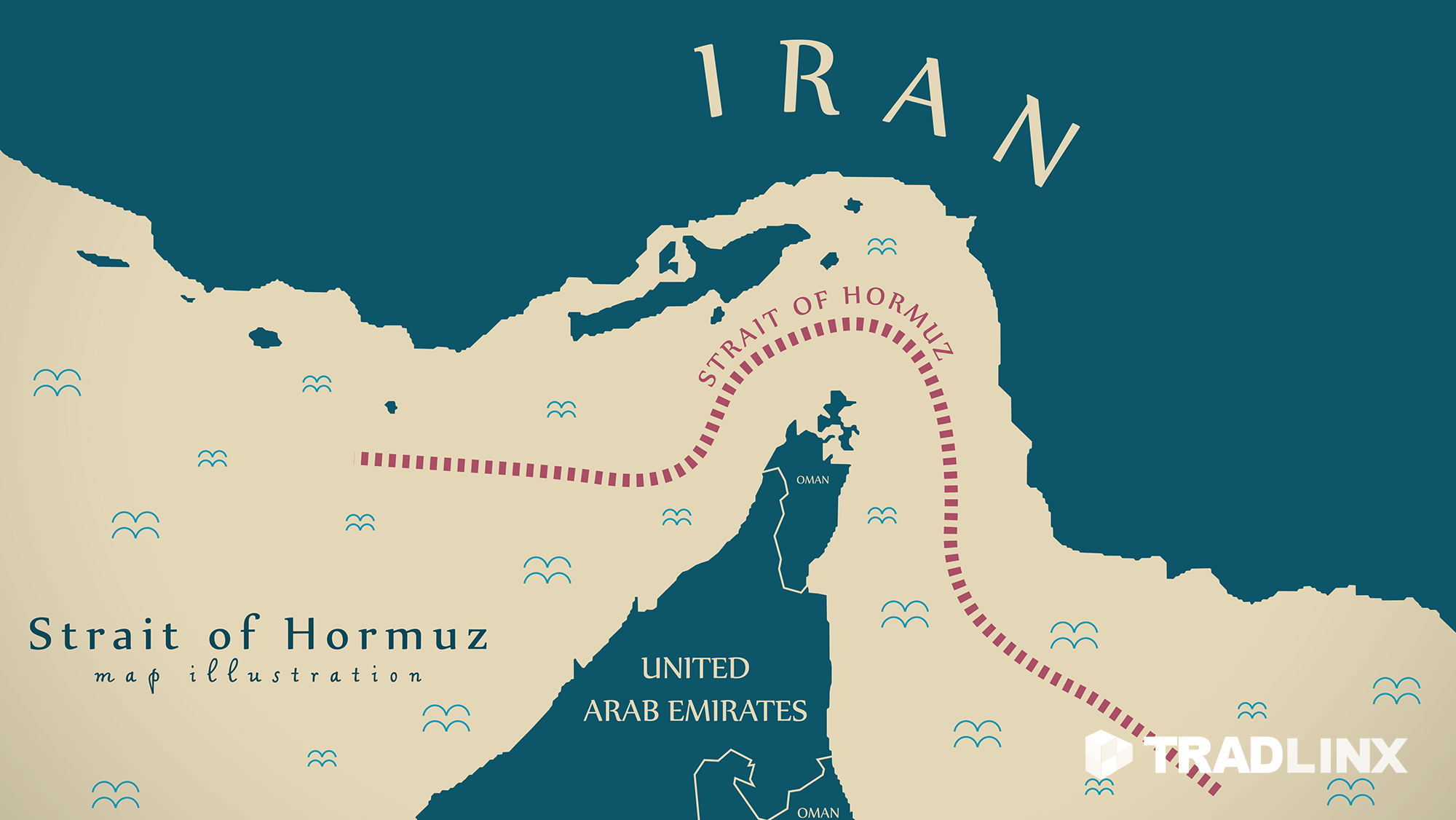
Consider the Strait of Hormuz. It is a narrow throat of water through which the lifeblood of the global economy flows. One-fifth of the world’s oil passes through this chink in the armor of the Arabian Gulf. If a strike occurs, the throat closes. The price of gasoline in a small town in Ohio doesn't just go up; it spikes. The supply chains of factories in Shenzhen grind to a halt. The "human element" isn't just a metaphor—it is the literal interconnectedness of a world that relies on stability to breathe.
The Psychology of the Brink
Tehran is not a monolith. Within the halls of the Iranian parliament, there is a fierce tug-of-war. There are the pragmatists who gambled their political lives on the idea that engaging with the West would bring prosperity. They are the ones who promised Elias the shopkeeper that the era of isolation was over.
Then there are the hardliners.
They watch the news from Washington with a grim sense of "I told you so." To them, the review of the deal is proof that the West is inherently unreliable. Every threat of a military strike is fuel for their fire. It allows them to tighten their grip, to point at the hovering pen in Washington and tell their people that the only security is found in defiance, not diplomacy.
The invisible stakes are the hearts and minds of a generation of Iranians who were born after the 1979 revolution. They are young, tech-savvy, and hungry for a connection to the global community. When the rhetoric turns to steel and fire, that window of connection begins to slam shut. They are caught between a government that uses them as a shield and an international community that treats them as a target.
The Language of Power
There is a specific kind of silence that follows a threat. It is the silence of recalculation.
The administration’s strategy is built on the belief that pressure creates leverage. By keeping the possibility of military action on the table, they intend to force Iran back to the negotiating table to craft a "better" deal—one that lasts longer and covers more ground. It is a high-stakes game of poker where the chips are human lives and the deck is stacked with decades of trauma.
But pressure can also create an explosion.
History is littered with "limited strikes" that turned into long wars. It is full of "reviews" that ended in the tearing up of treaties and the return to the dark. The core of the issue isn't just about centrifuges or heavy water. It is about whether two powers who have spent forty years as enemies can find a way to exist in the same world without trying to burn it down.
The Shadow in the Grocery Store
Back in the grocery store, Elias is counting his inventory. He doesn't care about the purity of uranium or the range of a medium-range missile. He cares about the fact that the currency in his pocket is worth less today than it was yesterday. He cares about the rumors of war that drift through the bazaar like smoke.
He is the one who lives in the "landscape" that politicians discuss in their air-conditioned rooms. He is the reality that facts and statistics often obscure. When the pen finally touches the paper in Washington, the ink will travel across the ocean. It will seep into the soil of the Middle East. It will define the future of millions who had no say in the writing.
The review continues. The threats remain. The world waits to see if the pen will be used to sign a new path forward or to cross out the last remaining hope for a quiet life.
The map of the world is not made of ink and paper. It is made of people, and right now, the sand beneath them is beginning to shift.