The vibration of a smartphone in a pocket in Dubai can dictate whether a child in Colombo has milk for breakfast.
It is a strange, tethered reality. For Aruni, a thirty-four-year-old mother working as a domestic helper in Kuwait, the connection is literal. Every month, she stands in a fluorescent-lit exchange house, clutching a stack of Dinars that represent thirty days of exhaustion. When she presses the button to send that money home, she isn't just transferring currency. She is performing a high-wire act of national stabilization.
Sri Lanka is currently breathing again, but the air is thin. After the cataclysmic economic collapse of 2022—a time of dry petrol pumps and dark streets—the island has clawed its way back toward a fragile normalcy. Inflation has cooled. The queues have vanished. Yet, the engine of this recovery isn't found in a factory or a high-tech hub. It is found in the hands of millions of migrant workers like Aruni, whose monthly remittances act as the primary lifeblood for a country still in the intensive care unit of global finance.
The Mathematics of Sacrifice
The numbers tell a story of desperate loyalty. In the first quarter of 2024 alone, workers abroad sent back over $1.5 billion. To put that in perspective, imagine a giant bucket filling with water while a hole at the bottom drains it. The hole is Sri Lanka’s massive external debt and its need for essential imports like fuel and medicine. The water is the foreign exchange. Tourism helps, and tea exports provide a steady stream, but the remittances are the torrent that keeps the bucket from running dry.
This is not just "macroeconomics." It is the collective sum of individual choices. It is the choice to skip a meal in Riyadh to pay for a tuition fee in Kandy. It is the choice to endure the blistering heat of a construction site in Qatar so a grandfather in Galle can afford heart medication.
When these workers send dollars, euros, or riyals, the Central Bank of Sri Lanka uses that hard currency to build up its reserves. Those reserves are the only reason the Sri Lankan Rupee isn't currently worth less than the paper it's printed on. Without that steady influx of cash from West Asia—the region most of us call the Middle East—the island’s recovery would stop dead in its tracks.
A Horizon on Fire
The problem with building a house on a single pillar is that you have to pray the ground never shakes. Right now, the ground in West Asia is trembling.
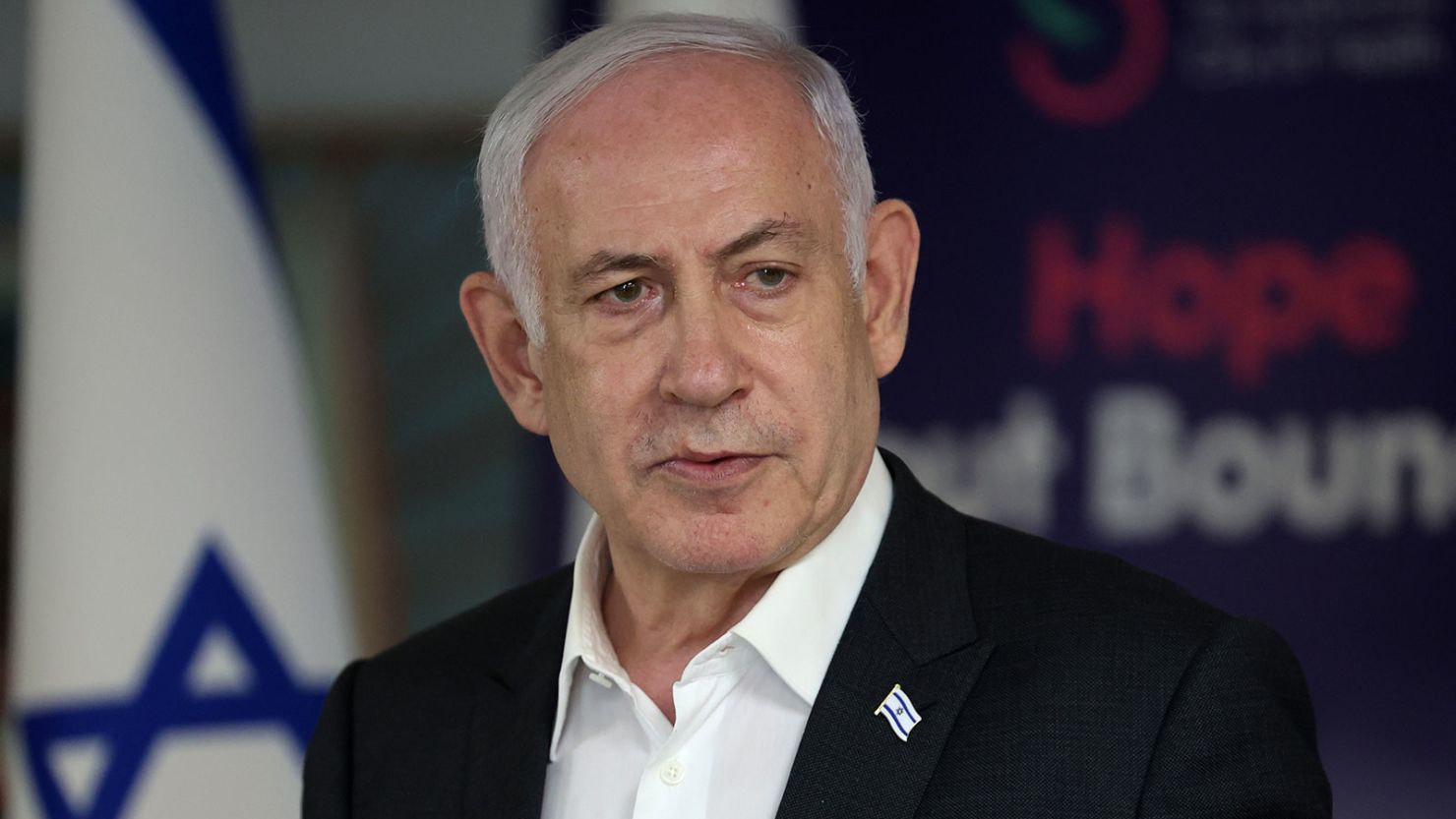
The escalating conflict involving Israel, Gaza, Lebanon, and the looming shadow of regional powers has created a profound sense of dread in the offices of Colombo’s policy-makers. It isn't just a humanitarian concern; it is an existential threat to the Sri Lankan kitchen table.
Over 50% of Sri Lankan migrant workers are stationed in West Asian countries. They are the backbone of the "remittance miracle." If the regional skirmishes boil over into a full-scale regional war, the implications are two-fold and terrifying.
First, there is the immediate safety of the people. If airspaces close and cities become battle zones, the logistics of keeping millions of workers safe—or bringing them home—becomes a nightmare the Sri Lankan government is ill-equipped to handle.
Second, there is the oil.
West Asia is the world’s gas station. Conflict breeds uncertainty, and uncertainty sends oil prices screaming toward the ceiling. For a country like Sri Lanka, which must import every drop of fuel it uses, a spike in global oil prices is like a recurring fever. Higher fuel prices lead to higher electricity bills, which lead to higher transport costs, which eventually mean the price of a loaf of bread in a local grocery store triples.
The recovery we see today is a ghost. It is there, but you can see right through it.
The Psychology of a Fragile Peace
Consider the "J-curve" of economic recovery. Usually, a country hits rock bottom, reforms, and then starts a slow, agonizing climb upward. Sri Lanka is on that climb. The International Monetary Fund (IMF) is watching closely, holding the briefcase of emergency loans that come with strict, painful conditions. Tax hikes have squeezed the middle class until they can barely breathe. Public services are stretched thin.
In this environment, the public's patience is a finite resource. People can endure hardship if they see a light at the end of the tunnel. But if a Middle Eastern war chokes the supply of remittances and sends inflation spiraling back into the double digits, that light goes out.
The government is walking a tightrope. On one hand, they must remain diplomatically neutral, hoping for stability in the regions that employ their citizens. On the other, they are frantically trying to diversify. They want to send workers to South Korea, Japan, and Europe—places where the wages are higher and the geopolitical soil is, perhaps, less volatile.
But transitions take years. A crisis can happen in an afternoon.
The Invisible Stakes
Why should the rest of the world care about a small island’s reliance on workers in a different time zone? Because Sri Lanka is a canary in the coal mine. It is the first major casualty of the post-pandemic debt crisis, and its struggle to stay afloat is a blueprint—or a warning—for dozens of other developing nations.
We often speak of "globalization" as a way to trade goods, but the real story of the 21st century is the trade of human labor as a form of national insurance. Sri Lanka has insured its future against the hard work of its poorest citizens.
If you walk through the arrivals terminal at Bandaranaike International Airport, you see them. Men with sun-baked skin and women carrying oversized stuffed animals for children they haven't seen in two years. They look tired. They are often treated as statistics by their own government and as cheap labor by their host countries.
Yet, they are the ones holding the shield.
Every time a headline flashes about a drone strike or a retaliatory bombing in the Middle East, a silent shudder goes through the Sri Lankan economy. It isn't just about the price of gold or the fluctuations of the stock market. It is the fear that the silk thread connecting Aruni in Kuwait to her family in Colombo might finally snap.
The recovery is real. The shops are full. The lights are on. But if you listen closely to the talk in the tea shops and the boardrooms, you realize that everyone is holding their breath, watching a horizon thousands of miles away, hoping the fire doesn't spread.
Because if the fire spreads, the bucket empties. And Sri Lanka has already learned exactly how thirsty a nation can get.
The sun sets over the Indian Ocean, painting the Galle Face Green in hues of orange and violet. Couples walk hand in hand, and vendors sell spicy snacks to tourists. It looks like a country that has moved past its darkest hour. But in the pockets of the people watching the waves, the phones are still vibrating, waiting for a message from across the sea to say that everything is still okay, for one more day.