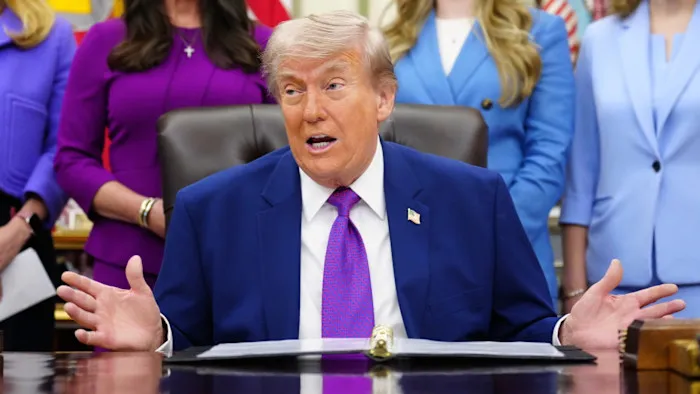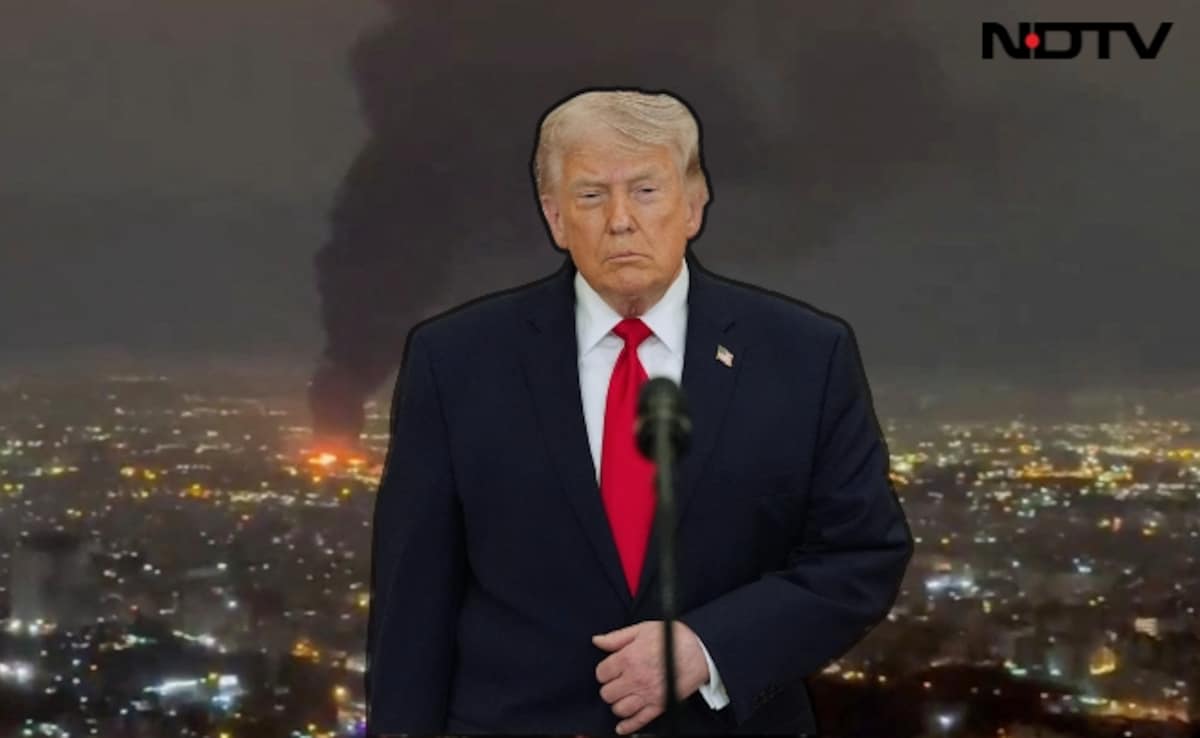
The deal isn't just shaky. It's dying. President Trump didn't mince words Monday when he told reporters that the current ceasefire with Iran is on "life support." He actually went further, comparing the situation to a hospital room where a doctor gives a family a 1% chance of survival. It’s a bleak outlook for a conflict that’s already dragged on for over two months, and honestly, the latest exchange of "peace proposals" looks more like a game of chicken than actual diplomacy.
If you're wondering why your gas prices are still through the roof or why the Strait of Hormuz remains a graveyard for global shipping, this is the reason. The U.S. and Iran aren't just on different pages; they're reading from entirely different books. Trump dismissed Tehran's latest offer as "garbage" and "totally unacceptable," claiming he didn't even bother to finish reading the document before throwing it out.
The Poison Pill in Tehran's Proposal
The core of the fallout is pretty simple. Trump wants Iran to hand over its highly enriched uranium. Iran wants the U.S. to stop the naval blockade and recognize their "sovereignty" over the Strait of Hormuz first. You can see the problem here.
Tehran's 10-point plan basically asked the U.S. to walk away from its leverage while promising to talk about the nuclear stuff later. In the world of high-stakes geopolitics, "talk later" usually means "never." Trump’s frustration stems from a perceived bait-and-switch. He claims Iran originally agreed to let the U.S. help extract enriched uranium but then left that detail out of the formal paperwork.
“They changed their mind because they didn't put it in the paper,” Trump said. It’s a classic negotiation breakdown. When one side feels the other is backsliding on a verbal "handshake" deal, the trust evaporates instantly.
Why This Matters for Your Wallet
It’s easy to view this as a distant war, but the economic ripple effects are hitting home. The International Maritime Organization estimates that nearly 1,500 tankers and 20,000 seafarers are currently stranded in the Gulf. That’s a massive chunk of the world's energy supply just sitting there, doing nothing.
- Gas Prices: Trump promised fuel costs would drop "like a rock" if a deal is reached. Right now, they're doing the opposite.
- The Blockade: The U.S. Navy is still enforcing a strict maritime blockade.
- Project Freedom: This was the plan to escort tankers through the Strait. Trump shelved it last week to give diplomacy a chance. Now that diplomacy is failing, expect those warships to start moving again.
The Nuclear Sticking Point
Let’s be real about what’s actually happening behind closed doors. Israel and the U.S. are adamant that Iran’s nuclear capabilities have to be dismantled, not just "paused." Prime Minister Netanyahu has been very vocal about this, suggesting that if negotiations don't strip Iran of its enriched uranium, military force is the only other option on the table.
Iran, on the other hand, is leaning on its biggest customer: China. Beijing is still buying sanctioned Iranian crude, which gives Tehran enough of a financial lifeline to keep saying "no" to Trump's demands. This week, Trump is heading to China to lean on President Xi Jinping. He wants China to tighten the screws, but with the way global trade relations are currently trending, that's a tall order.
What Tehran is Demanding
- Full recognition of control over the Strait of Hormuz.
- War reparations from the United States.
- An immediate end to the conflict between Israel and Hezbollah.
- Unfreezing of all Iranian assets held abroad.
It's an aggressive list. Demanding war reparations from the country currently blockading your coast is a bold move, to say the least. Iranian Foreign Ministry spokesman Esmail Baghaei insists they aren't asking for concessions, just "legitimate rights."
The Military Reality on the Ground
While the politicians talk, the situation on the water is getting more dangerous. We’ve seen reports of the U.S. firing on and disabling Iranian tankers recently. There are drone strikes, missile exchanges, and a "nominal" ceasefire that is being violated so often it barely earns the name.
Trump is already meeting with top military commanders to discuss what happens when the 1% chance of survival for this ceasefire finally hits zero. If the diplomatic path stays blocked, the next step is likely a return to full-scale hostilities, potentially including a more aggressive version of "Project Freedom" to break the blockade by force.
What You Should Watch Next
Don't expect a sudden breakthrough in the next 48 hours. The rhetoric is too hot. Instead, keep an eye on these specific triggers:
- The China Visit: If Trump can't get Xi to budge on Iranian oil purchases, the U.S. will have to escalate the blockade.
- Nuclear Enrichment Reports: Any news of Iran increasing enrichment levels will likely trigger an immediate military response from Israel.
- The "Life Support" Verdict: Trump’s metaphors usually precede a policy shift. If he declares the ceasefire officially dead, the war enters a new, more intense phase.
The bottom line is that the "Islamabad Talks" are effectively over. Pakistan tried to mediate, but you can't bridge a gap this wide with just good intentions. If you're invested in energy markets or just worried about the price at the pump, prepare for more volatility. We're moving out of the "negotiation" phase and back into the "confrontation" phase.
Trump rejects latest Iran peace proposal, says ceasefire on 'life support'
This video provides the direct context of President Trump's remarks regarding the fragile state of the ceasefire and his dismissal of the Iranian proposal.