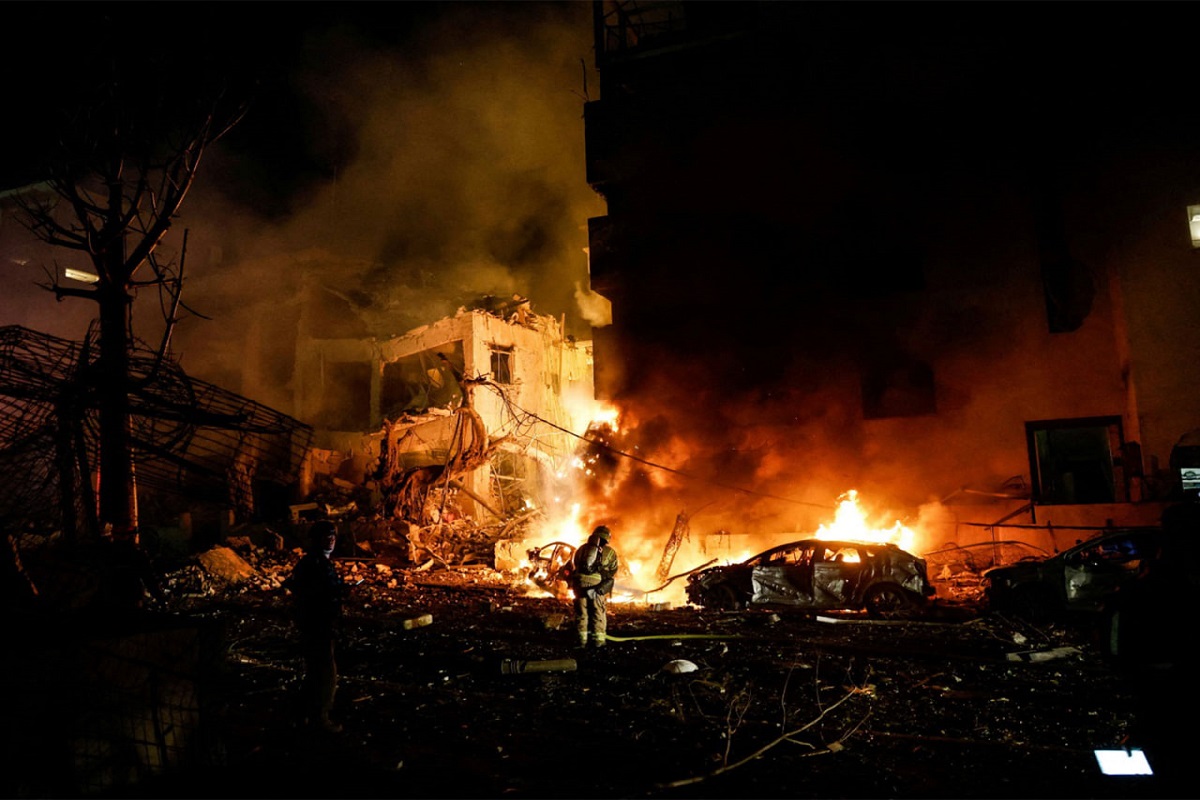
The smoke hasn't cleared, but the numbers are already staggering. We’re looking at a grim milestone where the death toll in Iran has officially crossed the 500 mark following the latest escalation in the Iran-Israel war. This isn't just another headline in a long-standing feud. It’s a seismic shift in Middle Eastern soul-searching and a brutal reminder that modern warfare doesn't care about borders or civilian safety. Among the casualties, the confirmation of a Chinese national’s death adds a layer of international complexity that most analysts didn't see coming this quickly.
If you’ve been following the region, you know the rhetoric is usually louder than the actual body count. Not this time. The sheer scale of the destruction suggests a level of precision and intensity that far surpasses previous skirmishes. We aren't just talking about military hardware anymore. We’re talking about families, neighborhoods, and foreign residents caught in a crossfire that’s rapidly spiraling out of control.
The Reality Behind the 500 Dead in Iran
Numbers can feel cold. 500 sounds like a statistic until you realize these are urban centers being hit. Reports from Tehran and surrounding military hubs indicate that the casualties aren't limited to the Islamic Revolutionary Guard Corps (IRGC). The "collateral damage"—a term I absolutely loathe for its clinical dismissal of human life—is peaking.
Most of the fatalities occurred during the second wave of strikes. Israel's strategy shifted from purely "deniable" sabotage to overt, heavy-duty aerial bombardment. They targeted drone manufacturing plants and missile silos, many of which are tucked uncomfortably close to civilian infrastructure. When those secondary explosions happen, the neighborhood goes with them. It’s a mess. Honestly, it’s a miracle the number isn't higher given the density of some of these areas.
The Chinese Factor and International Fallout
The death of a Chinese citizen in Iran changes the math for Beijing. For years, China’s been playing both sides—buying Iranian oil while maintaining a "strictly business" relationship with Israel. Now, blood is on the floor.
The Chinese embassy in Tehran hasn't just issued a standard "stay safe" memo. They're demanding answers. This puts Israel in a delicate spot. They need to dismantle Iran's nuclear and missile capabilities without alienating the world's second-largest economy. But in a high-velocity war, mistakes happen. If more foreign nationals from power players like China or Russia end up in the morgue, the diplomatic shield Israel enjoys might start to crack.
Why the Iron Dome and Iranian Air Defenses Failed
People keep asking how 500 people die in a country that claims to have "impenetrable" air defenses. The truth is, no system is perfect. Iran’s S-300 and domestically produced Khordad-15 systems were overwhelmed by the sheer volume of incoming fire. Israel used a combination of stealth F-35s and electronic warfare to "blind" the radar long enough to get the job done.
On the flip side, Iran’s retaliatory strikes against Israel have been met by the Iron Dome and Arrow systems. While Israel’s casualty count remains lower, the psychological toll is massive. You can't live in a bunker forever. The cost of each interceptor missile is also astronomical. We’re watching a war of attrition where the side with the deepest pockets and the most advanced tech wins, but the "win" feels hollow when the ground is covered in rubble.
The Miscalculation of Proxy Warfare
For decades, Iran fought through proxies—Hezbollah in Lebanon, the Houthis in Yemen. They kept the fight off their own soil. That era is dead. By striking directly at the heart of Iran, Israel has bypassed the middlemen. This direct confrontation is why the death toll is spiking so fast.
I’ve seen plenty of "experts" claim that Iran would never let the war reach Tehran. They were wrong. The deterrent of proxy threats didn't hold. Israel decided that hitting the head of the snake was more effective than cutting off the tails. The result? 500 dead Iranians and a region on the brink of a total blackout.
Economic Chaos and the Global Oil Shocker
Don't think for a second this is just a local fight. The moment those 500 deaths were confirmed, Brent crude prices took a hike. Iran sits on the Strait of Hormuz. If they feel backed into a corner, they’ll choke that waterway.
- Oil prices are flirting with $100 a barrel again.
- Insurance premiums for shipping in the Gulf have tripled in 48 hours.
- Global supply chains, already fragile, are bracing for a massive hit.
It’s easy to look at the death toll and think "that’s over there." But you’ll feel it at the gas pump and in your grocery bill next week. This war is an inflationary bomb.
The Strategy of Targeted Escalation
Israel’s military doctrine has always been about "mowing the grass"—short, sharp strikes to keep enemies off balance. This latest campaign is different. It’s more like "uprooting the forest." They’re going after the very foundation of the IRGC’s power.
The Iranian leadership is in a bind. If they don't respond with equal force, they look weak to their own hardliners. If they do, they risk a full-scale invasion or further decapitation strikes. It’s a classic Catch-22. Meanwhile, the death toll climbs as both sides refuse to be the first to blink.
The Role of Intelligence Failures
You have to wonder how Israel got such clean coordinates for these sites. It suggests a massive intelligence breach within Iran. Someone’s talking. Whether it’s cyber espionage or old-school human assets, the fact remains: Iran’s most "secret" sites weren't secret at all.
This internal vulnerability is probably scaring the Iranian leadership more than the actual missiles. If your enemy knows where you sleep, you’ve already lost half the battle. This paranoia usually leads to internal purges, which only weakens the state further during a time of war.
What You Should Do Right Now
If you have business interests in the Middle East or investments tied to energy, it’s time to hedge. This isn't a "wait and see" situation. The crossing of the 500-death threshold signals a transition into a high-intensity conflict that won't resolve over a weekend.
- Diversify your energy-dependent stocks immediately.
- Watch the Chinese Foreign Ministry’s statements; their tone will dictate how much pressure is put on Israel to de-escalate.
- Keep an eye on regional flight paths. When major airlines stop flying over a zone, the "big one" is usually coming.
The humanitarian crisis in Iran is real, and the geopolitical fallout is just beginning. Stop waiting for a ceasefire that isn't on the horizon. Prepare for a long, volatile stretch where the headlines only get grimmer. Stay informed by following ground-level reporters rather than just state-sanctioned media outlets which are currently scrubbing the true extent of the damage to keep the public from panicking. The truth is in the numbers, and right now, the numbers are shouting. Moving your assets into safer, non-regional commodities is the only logical move while the "tit-for-tat" cycle remains unbroken.


