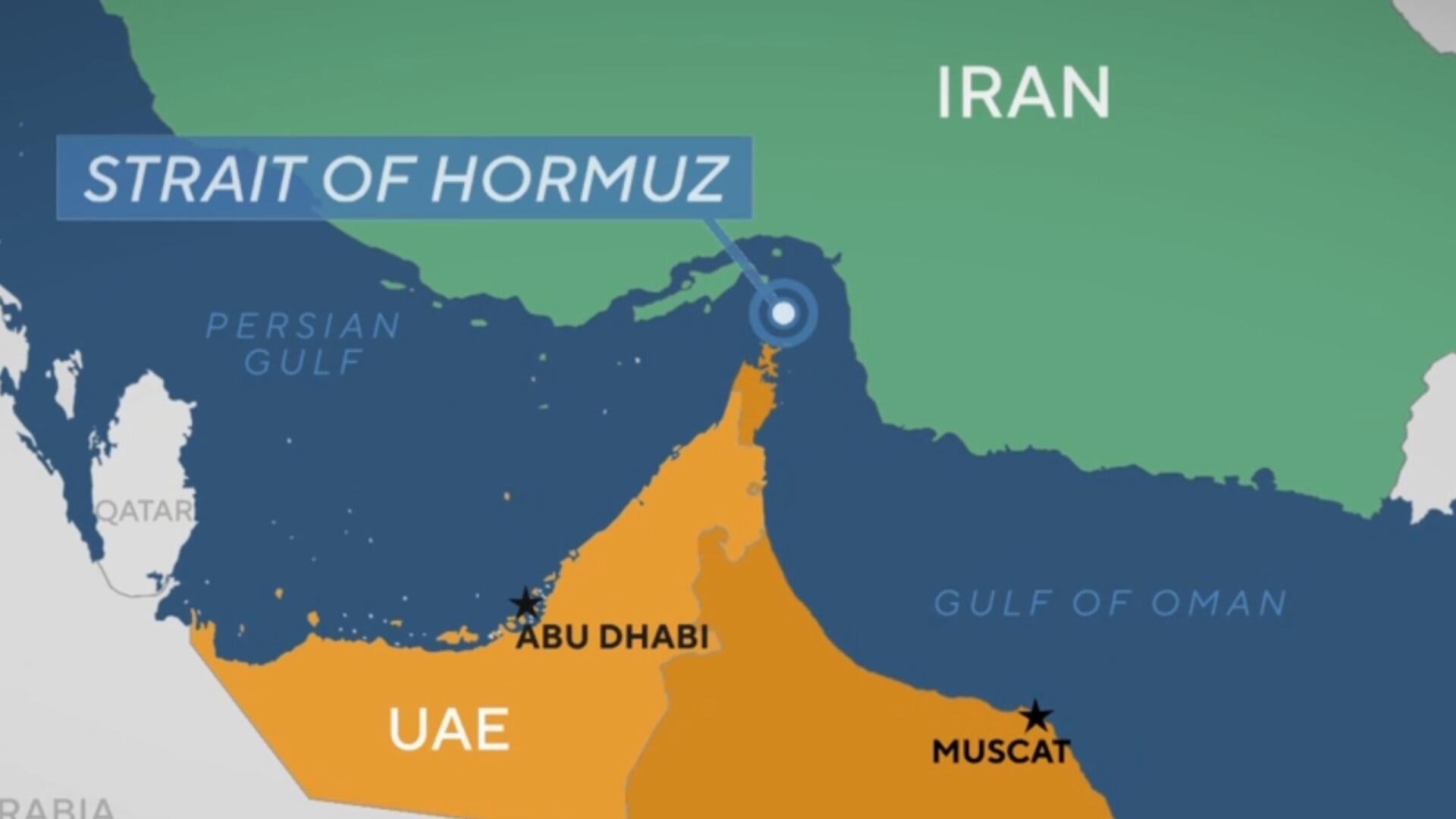
Iran is doubling down on its claim that the only way to get the United States out of the Persian Gulf is for Tehran to seize total management of the Strait of Hormuz. Mohammad Baqer Qalibaf, the Speaker of the Iranian Parliament, made this clear during recent remarks celebrating National Persian Gulf Day. He isn't just talking about maritime traffic. He’s framing this as a historical correction.
You’ve likely seen the headlines about rising oil prices and naval standoffs. But Qalibaf's stance goes deeper than today’s news cycle. He’s explicitly linking current military tensions to the 1622 expulsion of Portuguese colonial forces. In his view, the U.S. presence in the region is just another era of "foreign interference" that's destined to end once Iran asserts full control over the world’s most important energy chokepoint.
The Strategy Behind the Rhetoric
Why is this happening now? The timing isn't accidental. Tensions between Washington and Tehran have spiked recently, especially with the U.S. enforcing a naval blockade on Iranian ports in the Gulf of Oman. Qalibaf’s message is a direct response to President Trump’s "maximalist" approach. By saying Iran will "secure" the Gulf, he’s telling the world that Tehran—not a Western-led coalition—is the rightful guardian of these waters.
It’s a bold gamble. Iran has essentially restricted shipping in the Strait since February, warning that "enemy" vessels won't pass until the U.S. lifts its own economic and naval restrictions. This isn't just about security; it’s about leverage. If you control the Strait, you control roughly 20% of the world's daily oil consumption. That’s a massive hammer to hold over the global economy.
Breaking the Cycle of Interference
Qalibaf argues that a future free from American presence is a "blessing" for Iran and its neighbors. He's trying to sell a vision where regional players handle regional security. But here’s the reality: many of those neighbors aren't exactly lining up to hand the keys to Tehran.
Countries like Saudi Arabia and the UAE have historically relied on the U.S. Fifth Fleet to keep trade routes open. Qalibaf is betting that he can convince these nations that the U.S. presence is the source of the instability rather than the solution. It’s a tough sell when Iran is the one threatening to shut down the waterway whenever a diplomatic dispute heats up.
Lessons from 1622
To understand where Qalibaf is coming from, you have to look at how Iran views its own history. Mentioning the defeat of the Portuguese in 1622 isn't just a history lesson. It’s a nationalist rallying cry.
- Sovereignty: Tehran sees the Persian Gulf as its "internal" backyard.
- Legacy: They view Western naval power as a continuation of colonial-era occupation.
- Resistance: The "Axis of Resistance" philosophy applies to the water just as much as it does to land-based proxies.
The Economic Standoff
The situation on the ground—or rather, on the water—is getting messy. Iran has even suggested charging "transit fees" of up to $2 million per vessel to pass through the Strait. This would essentially turn one of the world's most vital international waterways into a private Iranian toll road.
The U.S. has responded by redirecting dozens of vessels and calling for international help to reopen the shipping lanes. Crude prices have already surged past $125 a barrel. If you're wondering why your gas prices are climbing, this is the ground zero.
What This Means for Global Stability
Honestly, the "security" Qalibaf promises looks a lot like a monopoly. When one country claims the right to decide who can and cannot sail through an international strait, the rules-based order starts to crumble.
If Iran succeeds in forcing a U.S. withdrawal through maritime pressure, it changes the balance of power in the Middle East forever. It would mean that any country wanting to move goods through the Gulf would need Tehran’s explicit blessing. That’s a level of influence the Islamic Republic has craved for decades.
Immediate Realities to Watch
- Naval Escorts: Expect to see more "tanker wars" style scenarios where commercial ships require military protection.
- Energy Volatility: Until there’s a breakthrough in talks—currently stalled in Islamabad—oil markets will remain on edge.
- Diplomatic Deadlock: The U.S. wants a new nuclear deal; Iran wants the blockade lifted. Neither side is blinking.
Don't expect Tehran to tone down the rhetoric. For Qalibaf and the Iranian leadership, the Strait of Hormuz is the ultimate "win button." They believe that if they hold it long enough, the cost of "interference" will simply become too high for the U.S. to pay. Whether the rest of the world is willing to let that happen is the multi-billion dollar question.
If you’re tracking global markets or geopolitical risk, keep your eyes on the shipping data coming out of Bandar Abbas. The rhetoric is escalating, and the "security" being offered is anything but certain.