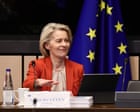
The bill for the war in Iran just landed on Europe's doorstep, and it's a lot higher than anyone wants to admit. While the missiles might be flying thousands of miles away, the shockwaves are tearing through the European economy right now. Ursula von der Leyen didn't mince words today in Strasbourg. She told the European Parliament that the consequences of this conflict "may echo for months or even years to come."
This isn't just political grandstanding. It’s a warning about a permanent shift in how we live and pay for things.
If you think this is a temporary blip, look at the numbers. Since the US and Israel launched strikes in late February, the EU has shelled out an extra 27 billion euros just for fossil fuel imports. That’s money literally going up in smoke because the Strait of Hormuz is effectively a no-go zone. Global energy markets don't care about diplomatic "hopes"—they care about the fact that a fifth of the world's oil is stuck behind a naval blockade.
The 27 billion euro wake-up call
We're past the point of speculating. The damage is visible in every grocery bill and gas station price board across the continent. When the Strait of Hormuz blocked up two months ago, people expected a week or two of chaos. Instead, we’re looking at a structural disaster.
European gas prices jumped 30 percent in a single day back in March. Even though they’ve leveled off slightly, they’re still sitting at heights that make manufacturing in Europe look like a bad business move. The Bruegel think tank says EU governments have already burned through 10 billion euros just trying to stop businesses from going under. It’s a band-aid on a gunshot wound.
I've seen this kind of "temporary" crisis before. It usually ends with a "new normal" that leaves everyone poorer. Von der Leyen is basically admitting that the cheap energy era isn't just over—it's been buried.
Why the shipping blockade changes everything
The Strait of Hormuz isn't just a spot on a map. It's the jugular vein of the global economy. With shipping through that waterway drying up, the "just-in-time" supply chain is officially dead.
- Jet fuel and fertilizers: These are the two quiet killers. Without them, food prices skyrocket and travel becomes a luxury for the rich.
- The Pakistan Ceasefire: Sure, Pakistan brokered a pause on April 8, but the blockade remains. A pause in shooting doesn't mean a return to shipping.
- Insurance costs: Even if a ship can get through, no one wants to insure it. Maritime insurance premiums have turned into a literal extortion racket.
The EU is now scrambling to throw money at the problem. They just unveiled a package that lets farmers and truckers claim up to 50,000 euros each to cover fuel costs. They’re even skipping the receipts to get the cash out faster. When the government starts handing out money without paperwork, you know they're terrified of a total systemic collapse.
A continent divided by the bill
Don't let the unified front in Strasbourg fool you. Under the surface, Europe is cracking.
Germany’s Friedrich Merz is leaning into the conflict, aligning closely with Washington. Meanwhile, Spain’s Pedro Sánchez is furious, refusing to let US forces use Spanish bases. This isn't just a policy disagreement; it's a fight over who pays the price for a war that Europe didn't start but has to endure.
The European Commission is trying to keep 27 countries on the same page, but that’s hard to do when one country is worried about its heating bill and another is worried about its military alliances. Kaja Kallas, the EU’s top diplomat, hit the nail on the head when she warned that "none of our countries can afford to stand alone." It's a nice sentiment, but it doesn't pay for 27 billion euros in extra energy costs.
What you need to do now
The "months or years" warning means you should stop waiting for things to go back to how they were in 2025. This conflict has rewritten the rules of the game.
If you’re running a business or managing a household, start looking at energy-intensive dependencies. The EU's new subsidies for farmers and hauliers are a temporary lifeline, not a permanent solution. Look into the "Critical Entities Resilience" laws that Magnus Brunner is pushing. Governments are going to start demanding that companies prove they can survive without stable Middle Eastern imports.
Lock in energy rates if you still can. Diversify your suppliers. The reality is that the geopolitical map has shifted, and the echo von der Leyen mentioned is only going to get louder. Don't wait for the next price spike to start planning for a more expensive, more isolated Europe.