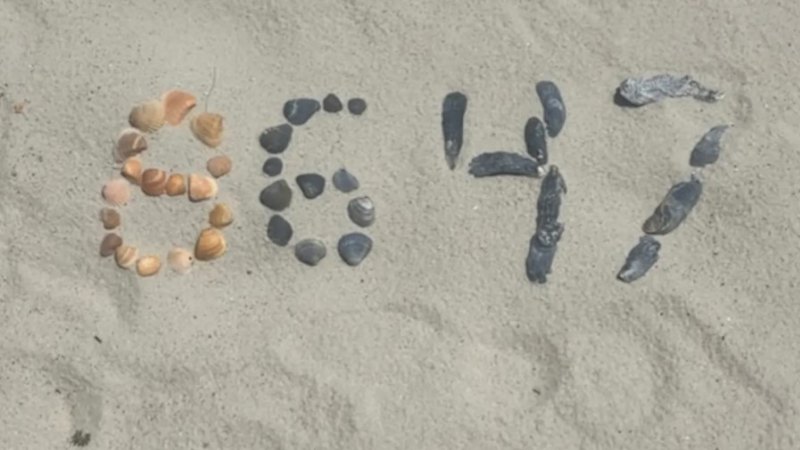
A picture of seashells on a beach shouldn't land a former FBI director in federal court, but here we are. On April 28, 2026, the Department of Justice officially charged James Comey with threatening the life of President Donald Trump. The evidence? An Instagram post from nearly a year ago showing the numbers 86 47 formed by shells in the sand.
If you're confused, you aren't alone. This case is a wild intersection of restaurant slang, political vendettas, and a very aggressive interpretation of federal threat statutes. Acting Attorney General Todd Blanche is pushing the narrative that this wasn't just a snarky political post, but a "serious expression of intent to do harm." It's a massive escalation that basically turns a meme into a felony.
The Secret Language of Shells
To understand the government's case, you have to look at the numbers. In the culinary world, to "86" something means it's off the menu. You're out of ribeye; the ribeye is 86’d. In broader slang, it means to eject or get rid of someone. Since Donald Trump is the 47th president, the DOJ argues that "86 47" is a coded call for assassination.
Comey’s defense is pretty straightforward. He says he saw the shells during a walk on a North Carolina beach, thought they represented a political message about voting Trump out, and posted them with the caption "Cool shell formation." He deleted the post hours later once the internet firestorm started. He’s been vocal about his mistake, stating he didn’t realize people associated those specific digits with violence.
The government isn't buying the "accidental tourist" routine. They’ve hit him with two counts:
- 18 U.S.C. § 871: Knowingly and willfully threatening the life of the President.
- 18 U.S.C. § 875(c): Transmitting a threat in interstate commerce.
Why This Case Is Legally Shaky
Federal law usually requires a "true threat." That means the person communicating must have the intent to intimidate or believe the recipient will feel threatened. It’s not just about what the words say, but the context behind them.
Prosecutors have to prove Comey actually wanted someone to harm the president. That’s a high bar when the "weapon" is a photo of beach debris. We've seen similar cases fall apart before. Remember when Gretchen Whitmer faced backlash for an "86 45" (referring to Trump's first term) display? No charges were filed then because political speech—even the distasteful kind—is heavily protected by the First Amendment.
The timing of this indictment feels incredibly pointed. This is the second time the Trump DOJ has gone after Comey in months. The first case, involving allegations of lying to Congress, was tossed out by a judge. It's hard not to see this as a pattern of "vindictive prosecution," a term legal experts use when the government seems to be punishing someone for their political stance rather than an actual crime.
The Role of Todd Blanche and Kash Patel
You can't ignore the players involved. Todd Blanche, the acting AG, was Trump’s personal defense lawyer before moving into the DOJ. Then you have FBI Director Kash Patel, who has been a vocal critic of the "Deep State" for years. When Patel says Comey "knew full well" what he was doing, he's speaking to a base that already views Comey as a villain.
From a strategy perspective, this looks like a move to burnish Blanche's credentials before a permanent appointment. It’s a "show your work" moment for the president. But the cost is high. Using the justice system to litigate Instagram posts sets a precedent that could bite anyone on either side of the aisle.
What Happens Next
Comey isn't backing down. He released a video on Substack saying he’s "still not afraid" and ready for trial. Because the charges were filed in the Eastern District of North Carolina—where the shells were found—the trial will happen there.
If convicted, Comey could face up to five years for each count. However, most legal analysts expect a vigorous motion to dismiss based on the First Amendment. If a picture of shells is a threat, then half of political social media is in trouble.
If you’re following this, keep an eye on the discovery phase. If the DOJ has more than just the Instagram post—like private messages or emails showing Comey actually intended to incite something—this gets much more serious. If it's just the photo, expect a long, loud, and ultimately messy legal battle.
The immediate takeaway is simple: be careful what you post, even if it's just beach scenery. In 2026, the line between a political jab and a federal indictment has never been thinner. If you're involved in political activism or even just vocal on social media, ensure your "coded" messages can't be easily twisted into a felony. Watch the North Carolina court filings over the next month for the defense’s first move to quash the indictment.