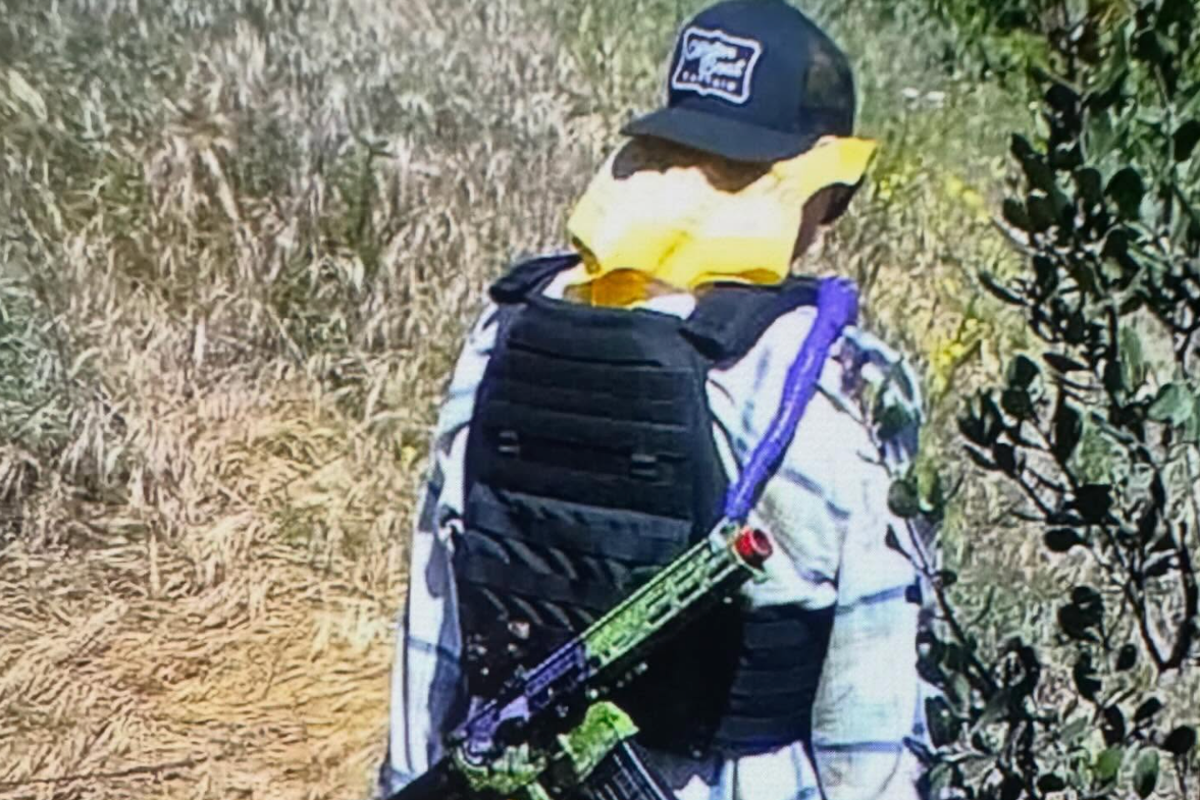
A man armed with a loaded handgun and a shotgun sat in a black SUV just outside the perimeter of Donald Trump’s golf club. This isn't a movie script. It happened. Riverside County sheriff's deputies intercepted Vem Miller at a checkpoint near the former president’s Coachella Valley rally. What they found inside the vehicle wasn't just a collection of illegal firearms. They found a window into a strange, disorganized, and deeply concerning threat profile that security teams are still trying to map out.
When police searched Miller’s weapons, they noticed something chilling. Scrawled onto one of the firearms was the phrase "Why So Serious?"—the iconic calling card of the Joker. This wasn't some high-level tactical operator. It was a man carrying fake passports and multiple driver’s licenses, driving an unregistered vehicle with a "homemade" license plate. He told deputies he was a member of the press to get through the first layer of security. He failed the second.
The incident highlights a terrifying reality for modern security details. It's not always the professional assassin you have to worry about. Sometimes, it’s the chaotic individual with a trunk full of unregistered gear and a pop-culture obsession.
Why the Joker Reference Matters
Pop culture references on weapons aren't new, but they’re a massive red flag for behavioral analysts. In the world of threat assessment, "Why So Serious?" isn't just a movie quote. It signals an alignment with a specific kind of nihilism. It suggests the individual sees their actions as part of a grand, perhaps even theatrical, performance.
Law enforcement experts will tell you that the most dangerous suspects are those who don't follow a logical playbook. Professional threats want an exit strategy. The "Joker" archetype? They often don't care if they get caught or killed. They want the spectacle. When Miller was stopped, he reportedly claimed to be a sovereign citizen. This is a group that generally believes the government has no authority over them. Combine that ideology with "Joker" imagery and a stash of illegal weapons, and you've got a recipe for a security nightmare.
Breaking Down the Security Breach
We have to look at how Miller got as close as he did. The perimeter at a Trump event is supposedly ironclad. Yet, Miller made it past the initial outer layer. He used fake press credentials. This is a classic "social engineering" tactic. It works because security personnel are often looking for specific physical threats—guns, bombs, knives—rather than scrutinizing the validity of a badge that looks "good enough" at a glance.
The Riverside County Sheriff’s Office deserves credit here. They caught what the first layer missed. But the fact that a man with multiple identities and a loaded shotgun could even reach a secondary checkpoint shows that the "security bubble" around high-profile political figures is more porous than we’d like to believe.
Local law enforcement often bears the brunt of these interactions. While the Secret Service handles the inner circle, it's the deputies on the hot asphalt of the outer perimeter who make the split-second decisions that prevent a disaster. In this case, the deputy noticed the interior of the car was "in disarray." That’s a key detail. Clutter and lack of organization can be a behavioral indicator of a disorganized offender.
The Sovereign Citizen Connection
Miller’s alleged ties to the sovereign citizen movement add another layer of complexity. If you aren't familiar, these individuals believe they are separate from the United States. They make their own license plates. They carry "diplomatic" or "sovereign" identification. They often get into violent standoffs with police during simple traffic stops because they refuse to recognize the officer's authority.
When you're protecting a former president, a sovereign citizen is a wildcard. They don't respect the "line" that most people won't cross. Miller had multiple passports with different names. That's not just a hobby. That's a deliberate attempt to bypass the systems we use to track and vet individuals.
What Happens Next for VIP Security
The Coachella incident is a wake-up call for how we handle large-scale political rallies. We can't just check for metal. We have to check for intent. The Secret Service and local police are now forced to look at every person who approaches a "cold" zone as a potential threat, even if they have the right credentials.
Security teams are likely going to start using more advanced digital verification for press and staff. A plastic badge isn't enough anymore. We're moving toward a world where your identity has to be verified against a live database in real-time before you even get within a mile of the venue.
Protecting Your Own Perimeter
You don't have to be a former president to learn from this. Whether you're running a high-stakes business meeting or managing a large public event, the lessons are the same.
- Trust but verify: Don't take a badge or a uniform at face value.
- Watch for behavioral red flags: Disorganization, nervousness, and inconsistent stories are often more telling than a metal detector scan.
- Layer your security: The outer layer is where you catch the mistakes. The inner layer is where you stop the threat.
- Look for the "theatrical": If someone is mimicking pop culture villains or using extremist imagery, take it seriously. It’s a sign of someone who has detached from reality.
Miller is out on bail now. The legal process will play out. But the image of that shotgun with the Joker's grin scrawled on it should stay with anyone involved in security. It’s a reminder that the threats we face aren't always rational. They're often loud, messy, and hiding in plain sight behind a fake press pass.
Don't wait for a secondary checkpoint to fail. Tighten the screws on your vetting processes today. Ensure your team knows that the smallest detail—a messy car, a weird quote, a homemade plate—is enough to warrant a full stop and search. Security is only as strong as the most observant person on the line.