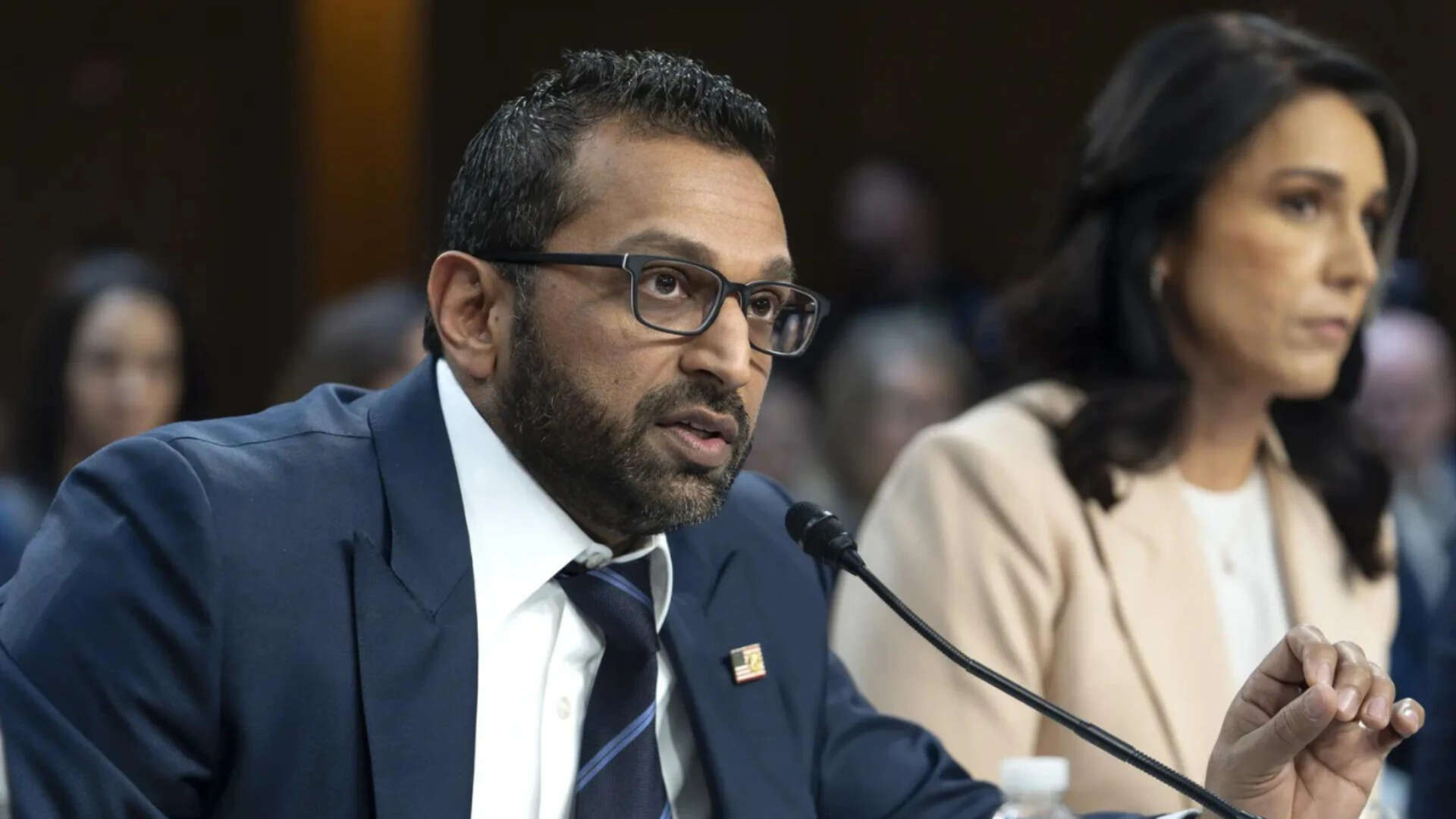
Trust is a rare commodity in the J. Edgar Hoover Building these days. If you’re an FBI agent on the Director’s security detail, your morning might now include a polygraph test. It isn't about foreign spies or national security breaches. It's about a bottle of bourbon and some very embarrassing headlines.
FBI Director Kash Patel has reportedly hit the panic button. Faced with a wave of leaks detailing his personal conduct—ranging from heavy drinking to the use of government jets for his girlfriend—Patel is turning the bureau’s investigative tools inward. He’s looking for the "rats."
The polygraph as a loyalty tool
Modern polygraphs are controversial in any setting, but using them to sniff out internal critics is a massive shift in FBI culture. Sources indicate that over two dozen current and former members of Patel’s security team, along with IT staff, have been ordered to sit for lie detector tests.
The goal? Figure out who told the press about the Director’s "unexplained absences" and his penchant for personalized bourbon bottles.
Usually, the FBI saves these high-pressure tactics for serious criminal leak investigations involving classified data. But here’s the kicker: the stories that sparked this hunt weren't about state secrets. They were about Patel being hard to wake up in the morning and his habit of gifting engraved "Ka$h Patel" liquor bottles at official events.
Paranoia at the top
Patel’s distrust isn't just about the security detail. He’s reportedly distancing himself from senior leadership, isolating in a "bunker" mentality while he tries to save his job. There’s a sense that the walls are closing in, especially as rumors swirl that even the White House is getting tired of the constant scandals.
It’s a bizarre environment for an agency that prides itself on being the premier law enforcement body in the world. Agents are being asked to choose between their careers and their colleagues. If you refuse the test, you’re basically admitting guilt in Patel's eyes. If you take it, you’re participating in what many veterans call a "loyalty purge."
The bourbon bottle that broke the bureau
If you think a lie detector over a bottle of whiskey sounds like a plot from a bad political satire, you're not alone. One of the specific incidents fueling this polygraph spree allegedly involves a missing bottle of engraved bourbon from a seminar at Quantico.
Patel’s response to the disappearance wasn't a shrug; it was a threat of internal investigation. This "insider threat" focus has shifted from protecting America to protecting a reputation. The FBI’s Huntsville unit, which usually tracks down genuine threats to the U.S., has reportedly been tasked with finding out who talked to the Atlantic.
Why this matters for the average citizen
You might wonder why you should care about internal FBI drama. It comes down to resources and mission. Every hour an agent spends hooked up to a polygraph answering questions about the Director's social life is an hour they aren't spent on:
- Counter-terrorism operations.
- Investigating organized crime.
- Handling high-profile cases like the recent White House Correspondents' Dinner shooting.
When leadership focuses on "loyalty" over "competence," the mission suffers. The FBI is supposed to be an independent, objective agency. When it starts looking like a private security firm for its boss, public trust evaporates.
A culture of retaliation
The current atmosphere is described as "chilling." There’s a real fear that the FBI is being used to target journalists and whistleblowers. If the bureau can open a criminal leak probe into a reporter for writing about a Director's drinking habits, the First Amendment is in serious trouble.
It also puts agents in an impossible spot. They’re trained to follow the law, not the whims of a leader who views dissent as treason. This isn't just about Kash Patel; it's about the precedent being set for how the most powerful law enforcement agency in the country handles internal criticism.
What happens next
If the polygraph results don't give Patel the names he wants, don't expect him to back down. He's already threatened to sue media outlets and has used official FBI channels to blast "the fake news."
If you're following this, keep an eye on:
- Congressional Oversight: Will the House or Senate Judiciary Committees step in to question the use of polygraphs for non-classified leaks?
- The White House: Watch for any shifts in President Trump's public support for Patel. Headlines about "panic mode" usually don't sit well with an administration that hates looking weak.
- Internal Morale: Look for more "retired" agents to speak out. They're often the only ones who can talk without fearing a polygraph the next morning.
The FBI was never meant to be a place where employees fear their own boss more than the criminals they're chasing. Whether Patel finds his "leakers" or not, the damage to the bureau’s internal culture is already done.
If you work in a high-security environment or follow federal law enforcement, stay informed on whistleblower protections. Knowing your rights is the only real defense against a leadership team that uses technology to enforce personal loyalty.