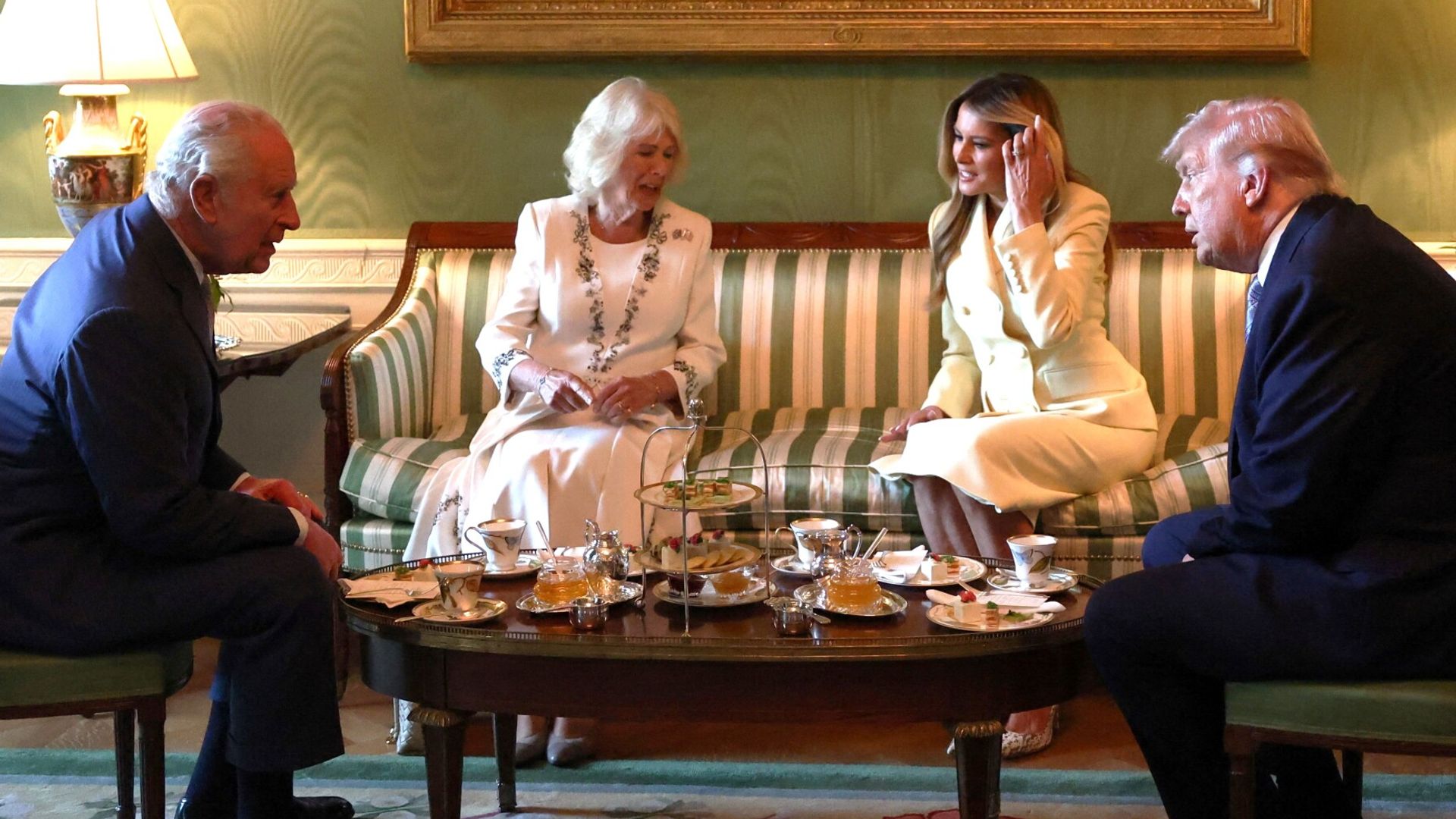
The British Monarchy just stepped into a political pressure cooker. King Charles III is preparing to address a joint session of Congress today, marking a high-stakes moment in a state visit that's already felt like a rollercoaster. If you thought the traditional pomp and circumstance would keep things predictable, yesterday proved everyone wrong.
The "Special Relationship" usually follows a strict script of polite smiles and rehearsed toasts. Not this time. After a first day spent with a US President known for tossing the rulebook out the window, the King has to pivot from personal diplomacy to a room full of American lawmakers. It’s a transition that would make even the most seasoned diplomat sweat.
Diplomacy in the age of the unpredictable
Buckingham Palace officials were likely holding their breath yesterday. Dealing with an unpredictable American leader requires a specific kind of mental gymnastics. You can't just rely on the briefing notes. You have to be ready for the off-script comments, the sudden changes in schedule, and the blunt questions that usually don't come up during a royal tour.
The first day was a masterclass in staying calm while the ground shifts. We saw the King move through various ceremonial engagements, but the real story was in the body language. There’s a visible tension when a monarch who represents continuity meets a president who thrives on disruption. It isn't just about different personalities. It’s about two completely different ways of viewing power and the world.
British monarchs aren't supposed to be political. That’s the golden rule. But when you’re standing next to a leader who treats every interaction as a negotiation or a headline-grabbing opportunity, staying neutral becomes a high-wire act. The King didn't just survive the first day; he managed to keep the focus on the shared history between the two nations, even when the conversation veered into choppy waters.
Why this speech to Congress actually matters
Addressing Congress isn't something every visiting head of state gets to do. It’s a rare honor. For King Charles, this is his chance to speak directly to the people who hold the purse strings and set the policy in Washington. Don't expect a dry history lesson. He knows he has to make the Monarchy seem relevant to a modern, often skeptical, American audience.
The room will be packed. You’ll have Republicans and Democrats sitting side-by-side, which is a miracle in itself these days. The King’s job is to find the common ground that still exists between London and DC.
Climate change will almost certainly be a focal point. It’s the King’s lifelong passion. It’s also a deeply divisive topic in the US Capitol. How he handles this will be the true test of his rhetorical skills. If he’s too aggressive, he alienates half the room. If he’s too vague, he looks like he’s lost his backbone. He’ll likely frame it as a matter of global security and economic stability—arguments that tend to resonate better across the aisle.
He also needs to talk about trade and defense. With global tensions rising, the UK is desperate to prove it remains a vital partner. This isn't just about old friends getting together. It’s about hard power and strategic interests.
The shadow of the first day
You can bet the events of yesterday will be weighing on the minds of everyone in that chamber. The "unpredictable" nature of the current administration means that the King is seen as a stabilizing force. In a weird way, the chaos of the first day might actually make the King’s speech more effective.
Lawmakers who are exhausted by the daily drama of domestic politics might find the King’s message of long-term perspective quite refreshing. He represents an institution that measures time in centuries, not election cycles. That’s a powerful contrast.
There’s also the question of the public's perception. Americans have a complicated relationship with the Royals. We fought a war to get away from them, yet we can’t stop watching them. By showing up and performing his duties with dignity after a chaotic start, the King is reinforcing the idea that the UK is a steady, reliable ally—no matter who is in the White House or 10 Downing Street.
What to watch for during the address
Keep an eye on the guest list. Who shows up? Who stays away? Sometimes the empty seats tell a bigger story than the full ones. Watch for the standing ovations. Usually, these speeches are interrupted by applause every few minutes. If the room stays quiet during certain sections, you’ll know the King has hit a nerve.
The King’s tone will be everything. He needs to be warm but authoritative. He’s not there to lecture Americans on how to run their country, but he is there to remind them why the UK matters.
The "unpredictable" president will likely be watching from the sidelines, and you can be sure a tweet or a statement will follow. That’s the world we live in now. The King has to navigate the speech while knowing that anything he says could be picked apart or reframed by the White House within minutes.
Moving beyond the headlines
State visits are often dismissed as fluff. They’re seen as photo ops and fancy dinners. But in a world where alliances are being tested, these moments are the glue that holds things together. The King’s ability to handle an unpredictable leader on day one and then turn around and address the legislature on day two is a massive undertaking.
It shows the "soft power" of the Monarchy is still a functioning tool in the UK’s diplomatic kit. It’s about building a vibe of stability when everything else feels like it’s falling apart.
If you’re following this, look past the hats and the motorcades. Pay attention to the specific language used about the "Atlantic Charter" or shared intelligence goals. Those are the nuggets that tell you what’s really being discussed behind closed doors.
The next few hours will determine the success of this entire trip. The King has the floor, the world is watching, and the stakes couldn't be higher. He needs to deliver a performance that honors the past while acknowledging the messy reality of the present.
Stop looking at the social media circus for a second. Read the actual transcript of the speech when it’s released. Look for the mentions of specific technological partnerships and shared military commitments. That’s where the real work happens. The drama of the first day was just the opening act; the address to Congress is the main event.


