King Charles and Queen Camilla just wrapped up their high-stakes, four-day tour of the United States. They didn’t just visit landmarks or drink tea with politicians. This trip, concluding on April 30, 2026, was a masterclass in "soft power" diplomacy at a time when the world feels increasingly unstable. While some critics dismiss royal tours as expensive photo ops, this specific visit carried the weight of history, coming right as America prepares for its 250th anniversary.
If you’re wondering why a British monarch spent four days zigzagging between Washington D.C., New York, and Virginia, the answer isn’t just about tradition. It’s about securing the "Special Relationship" during a second Trump presidency. The King didn't just show up; he performed a delicate balancing act, addressing Congress and meeting first responders, all while managing his own ongoing health recovery.
The High Stakes of the Washington D.C. Leg
The tour kicked off with a level of pomp that only the White House can pull off. President Donald Trump and First Lady Melania Trump welcomed the royals with a full state arrival ceremony on the South Lawn. We’re talking a 21-gun salute, the US Marine Band, and 500 personnel from all six military branches. It’s the kind of greeting that screams "this matters."
One of the most significant moments happened on the second day. King Charles addressed a joint meeting of the US Congress. This is a rare honor. The last time a British monarch did this was Queen Elizabeth II back in 1991. Charles didn't stick to safe, boring scripts. He leaned into the shared history of the two nations, even as they navigate a complex global landscape. While the President and the King held bilateral meetings in the Oval Office, the Queen and Melania Trump focused on education, using AI and VR tools to connect with students. It was a clever way to show that the monarchy is looking forward, not just backward.
From 9/11 Tributes to Virginia Block Parties
After the political intensity of D.C., the royals headed to New York. This part of the trip was deeply personal. They visited the September 11 Memorial, meeting with first responders and families ahead of the 250th anniversary of the United States. It’s a reminder that the bond between the UK and the US isn’t just about trade deals; it’s about shared grief and resilience.
Then things got a bit more relaxed—well, as relaxed as a royal tour gets. In Virginia, the King and Queen participated in a community "block party." It sounds almost normal, right? But the symbolism was loud. Celebrating the 250th anniversary of American independence from the British Crown by having the King himself attend a party is the ultimate sign of how far the relationship has come. Queen Camilla also took a detour to Virginia’s horse country, visiting Smitten Farm to talk about equine welfare—a topic she’s actually passionate about, not just a PR talking point.
Why the Health Narrative Changed Everything
You can’t talk about this tour without mentioning the King’s health. Since his cancer diagnosis in early 2024, his travel has been strictly limited. This 15,000-mile itinerary for 2026 is a massive statement of intent. The Palace modified his schedule to allow for more recovery time between events, but the fact that he was here at all tells us he’s feeling stronger.
Honestly, the schedule was grueling. Most people half his age would struggle with the back-to-back ceremonies and public speaking. By completing this four-day sprint, the King has signaled that he’s back in the game of international diplomacy. He’s not just a figurehead sitting in London; he’s an active player on the world stage.
The Real Impact of the Departure
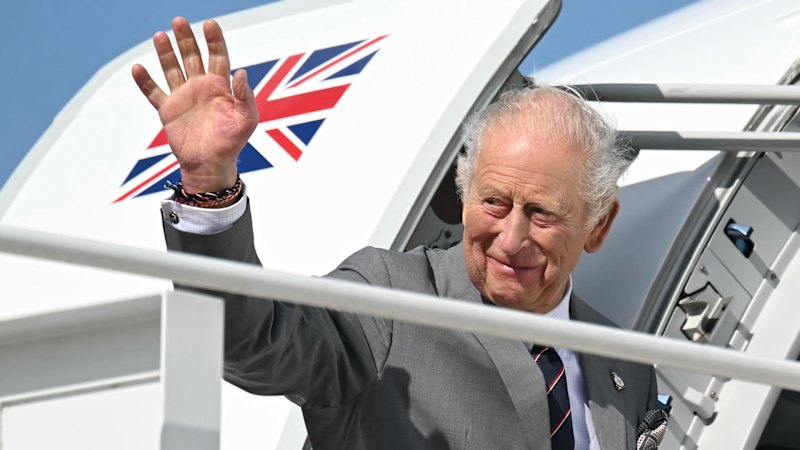
As the King and Queen boarded the UK Government Airbus A321LR at Joint Base Andrews on April 30, they weren't just heading home. They were heading to Bermuda, another stop on a marathon year of travel. They left behind a US-UK relationship that feels a bit more solidified.
Was it all perfect? No. There were protests and political tensions in the background, especially regarding US foreign policy. Some British MPs even tried to get the trip canceled. But the royals did what they do best: they stayed above the fray. They focused on the long-term connection between the people, not just the politicians of the moment.
If you want to keep up with how this trip shifts the diplomatic scales, watch the trade discussions over the next few months. The removal of certain tariffs and the "roast beef diplomacy" at the British Embassy garden party weren't accidents. They were the groundwork.
The King has done his part. Now, the diplomats and politicians have to follow through on the goodwill he spent four days building.