The gavel finally dropped in Taipei, and the sound is vibrating through every corner of the island. On March 26, 2026, the Taipei District Court sentenced Ko Wen-je, the founder of the Taiwan People’s Party (TPP), to 17 years in prison. It’s a staggering fall for a man who, just two years ago, was the "third way" hope for millions of young voters tired of the old guard.
If you’re trying to make sense of the chaos, here’s the bottom line. This isn't just about one politician's legal troubles. It’s a structural shift in how Taiwan's democracy functions. For a decade, Ko was the disruption. Now, his absence creates a vacuum that could either solidify the two-party status quo or push Taiwan into an even more fractured era of identity politics. Also making waves in this space: The Kinetic Deficit Dynamics of Pakistan Afghanistan Cross Border Conflict.
The Core Pacific Scandal and the 17 Year Sentence
The court didn't hold back. Ko was convicted on multiple counts, primarily centered on his time as Taipei Mayor. The big one? The Core Pacific City (Jinghua City) redevelopment project. Prosecutors proved Ko accepted roughly NT$17 million (about $532,000) in bribes to greenlight a massive increase in the project’s floor area ratio. Essentially, he gave a developer permission to build much more than the rules allowed, and he got paid for the favor.
But the rot went deeper than one property deal. The court also found him guilty of: Additional insights regarding the matter are explored by Associated Press.
- Embezzling over NT$68 million in political donations meant for the TPP.
- Misusing NT$8 million from a social welfare foundation to fund his 2024 presidential run.
- Breach of trust regarding party-linked companies.
He’s also been stripped of his civil rights for six years. While his legal team is already planning an appeal, the math is brutal. Under Taiwan’s election laws, anyone sentenced to more than 10 years in a first-instance ruling is barred from running for president. The "Ko P" era of presidential ambitions is effectively over.
Why This Rocks the TPP to its Foundation
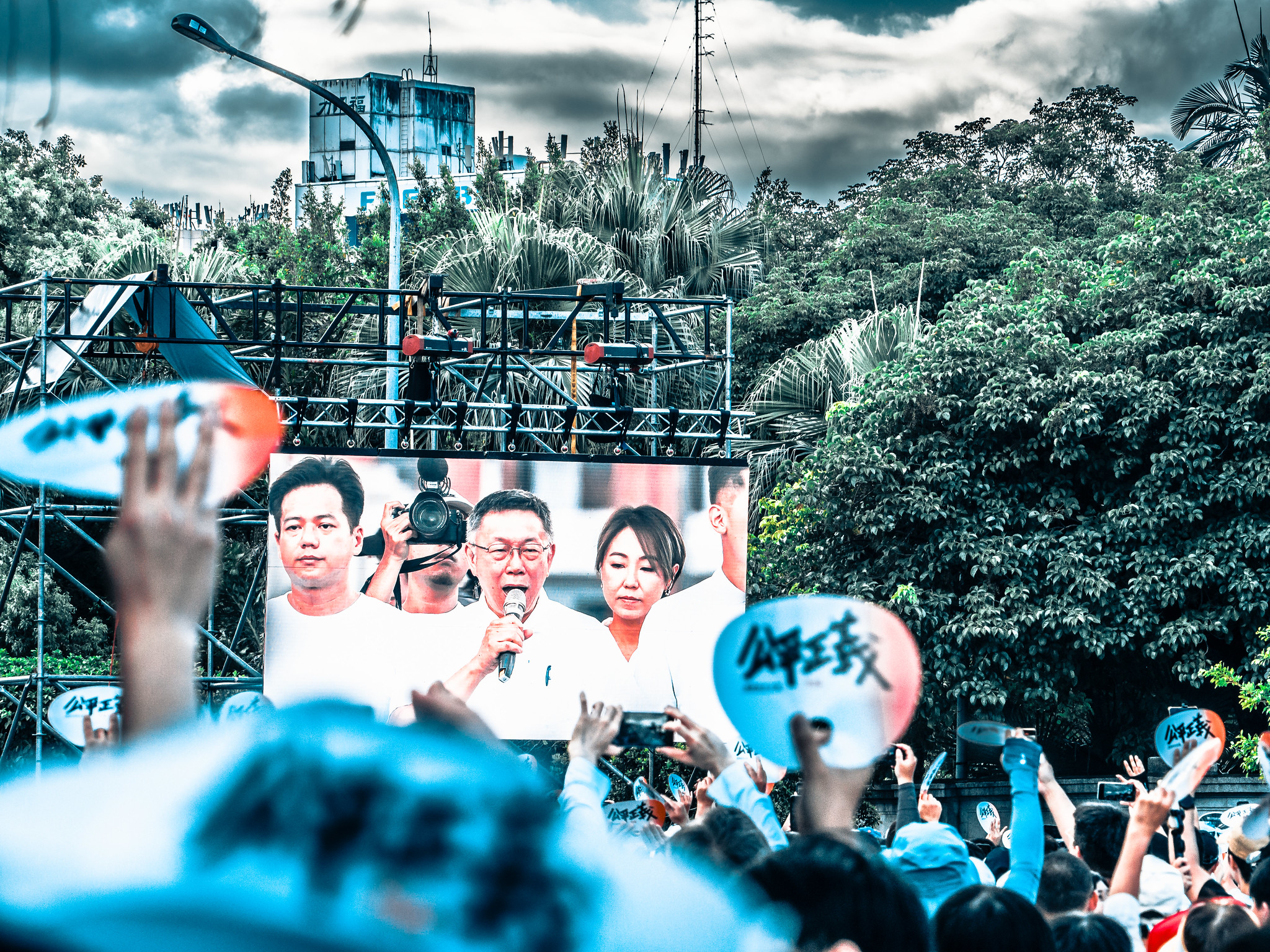
The Taiwan People’s Party was never just a political organization; it was a personality cult. Ko Wen-je was the brand, the voice, and the sole reason many "Little Grass" (his young supporters) showed up at the polls. Without him at the helm, the party is staring at an identity crisis.
Huang Kuo-chang has taken the lead, but he’s a different kind of animal. While Ko was quirky and unpredictable, Huang is a firebrand known for aggressive legislative tactics. Under Huang, the TPP has already drifted into a tight alliance with the Kuomintang (KMT). They’ve spent the last year blocking the Democratic Progressive Party’s (DPP) budget and pushing for expanded legislative powers.
This creates a massive problem for the TPP’s original pitch. They promised to be the "middle ground." Instead, they’re increasingly seen as a "Light Blue" wing of the KMT. If the TPP can't prove it’s more than just a KMT sidekick, its eight seats in the Legislative Yuan might evaporate in the next election cycle.
The 2026 Local Elections and Beyond
We’re heading into a "Nine-in-One" election year, and the timing of this verdict couldn't be worse for the opposition. Local elections in Taiwan are usually about "bread and butter" issues—trash collection, social housing, and traffic. But the Ko verdict turns every local race into a referendum on corruption and judicial fairness.
The DPP is walking a fine line. President Lai Ching-te’s administration is staying quiet, calling it a matter for the independent judiciary. They don’t want to look like they’re dancing on Ko’s grave, which would only fuel the "political persecution" narrative that TPP die-hards are screaming from the rooftops.
Meanwhile, the KMT is in an awkward spot. They need TPP voters to win back key cities, but they can't tether themselves too closely to a convicted felon. You’ll likely see the KMT try to absorb Ko’s base by framing the DPP as a "Green Terror" that uses the courts to silence rivals. It’s a risky play that might backfire with moderate voters who actually care about the NT$17 million in bribes.
Breaking the Third Force Myth
For years, the dream in Taiwan was to break the "Blue-Green" duopoly. People wanted a party that focused on pragmatic governance rather than the endless "unification vs. independence" debate. Ko Wen-je was supposed to be that guy.
His conviction feels like a betrayal to the voters who thought he was different. He ran on transparency. He sat in his office and ate convenience store bento boxes to show he was a man of the people. Seeing him handcuffed and facing nearly two decades in prison for the same kind of "black gold" politics he criticized is a gut punch to the third-party movement.
It raises a cynical question: Is a third force even possible in Taiwan’s current system? Or does the gravity of the KMT and DPP inevitably pull everyone into their orbit?
What Happens Now
If you’re watching this play out, don’t expect a quiet transition.
- The Appeals Process: This will drag on for years. Ko will remain a fixture in the news cycle, appearing at court dates and maintaining his innocence. He’s already calling the trial a "judicial performance."
- TPP Internal Power Struggles: Watch for cracks within the TPP. Not everyone in the party is happy with the hard-right turn toward the KMT. You might see moderate members jump ship to the DPP or go independent.
- Voter Realignment: The "Little Grass" are currently angry and energized, but anger is hard to sustain for 17 years. By the time the November elections roll around, many might simply stay home, which usually benefits the bigger, established parties.
If you want to stay ahead of the curve, keep a close eye on the TPP’s voting patterns in the legislature over the next three months. If they double down on obstructionism, it's a sign they’ve given up on the middle ground and are playing for a total merger with the KMT. If they start reaching across the aisle to the DPP on minor bills, they’re trying to save their brand as an independent force.
The "white" camp is at a crossroads, and the road ahead looks incredibly steep. Don't look away; the next few months will decide if Taiwan returns to a two-party tug-of-war or finds a way to reinvent the middle.