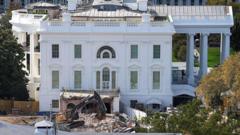
The plan to transform the East Wing of the White House with a massive, high-profile ballroom just hit a massive legal wall. A federal judge stepped in this week to freeze construction on the controversial project, citing significant concerns over historical preservation and the way the administration bypassed typical oversight channels. It isn't just a minor delay. This ruling effectively pulls the plug on a centerpiece of the current administration’s architectural legacy, at least for the foreseeable future.
If you’ve been following the headlines, you know this wasn't just about adding a new room. This was a statement. The proposed $100 million ballroom was intended to host grand state dinners and international summits, moving away from the "cramped" confines of the current East Room. But the court decided that the rush to break ground ignored federal laws designed to protect the integrity of the Executive Mansion.
Why the Courts Stopped the White House Ballroom Construction
The core of the issue lies in the National Historic Preservation Act (NHPA). Under this law, any major renovation to a building as historically significant as the White House requires a grueling review process. You don't just pick up a sledgehammer because you have a vision. You have to consult with the Commission of Fine Arts and the National Capital Planning Commission.
Judge Elena Rodriguez, who issued the temporary restraining order, noted that the administration "likely overstepped its executive authority" by fast-tracking the project without these mandatory consultations. The ruling specifically pointed out that once a historic structure is altered, you can’t exactly "undo" the damage if a later review finds the changes inappropriate.
It’s about the permanence of the change. The judge was clear: the risk of irreparable harm to a national treasure outweighs the administration's desire for a more spacious party venue.
The Battle Between Modern Luxury and Historic Preservation
The White House is a living museum. Every president since John Adams has left a mark, but there's a delicate balance between making the space functional and erasing the past. Proponents of the ballroom argue the current facilities are outdated. They say hosting 300 guests in a space designed for a different era is a logistical nightmare.
I’ve seen the plans. They are ambitious. We are talking about a glass-enclosed structure that would extend into the East Garden. While it sounds stunning on paper, preservationists are horrified. The American Institute of Architects and various historical societies argued that the scale of the new addition would dwarf the original architecture of the East Wing.
Critics aren't just worried about the look. They’re worried about the precedent. If a president can unilaterally add a massive modern wing to the White House today, what stops the next one from adding a bowling alley or a skyscraper tomorrow? The law exists to prevent the White House from becoming a revolving door of personal architectural tastes.
Follow the Money and the Contracting Process
Beyond the aesthetics, there’s the question of the $100 million price tag. The funding for this project didn't come through the traditional Congressional appropriation process. Instead, the administration attempted to use "discretionary infrastructure funds" shifted from other departments.
This is where the legal ground gets even shakier.
- Fund Diversion: Using money meant for national parks or federal building maintenance for a ceremonial ballroom is a hard sell in court.
- No-Bid Contracts: Investigations revealed that the primary design and construction contracts were awarded to firms with long-standing ties to the Trump Organization.
- Transparency: The lack of a public bidding process is a huge red flag for federal judges.
When you bypass the "red tape," you’re often bypassing the safeguards that ensure taxpayer money is spent fairly. The court’s intervention suggests that the lack of transparency in the procurement process will be a major focus of the upcoming full hearing.
What Happens to the East Wing Now
Right now, the site is a ghost town. The heavy machinery is silent. The orange fencing remains, but no one is wearing a hard hat. The temporary halt means that everything stays exactly as it is until the court can hear arguments on a permanent injunction.
What most people get wrong about these stays is thinking they are just "pauses." In reality, a temporary restraining order of this nature often signals how the judge is leaning. If the judge believed the administration had a strong legal case, she wouldn't have halted the work. By stopping it, she’s signaling that the preservationists have a high "likelihood of success on the merits."
The administration’s legal team is already filing appeals. They argue that the President has unique authority over the White House as both a residence and an office. They claim that "national security interests" require a more secure and modern space for hosting foreign leaders.
The Impact on State Events in 2026
With the ballroom in legal limbo, the 2026 social calendar is a mess. Several high-profile state visits are planned for later this year. Without the new space, the administration is forced back into the traditional East Room or tented events on the South Lawn.
Frankly, tenting the lawn is expensive and looks temporary. It doesn't project the image of permanence the administration wants. But for now, that’s the reality. You can't build your way out of a federal court order.
The Long Road Ahead for the Ballroom Project
Don't expect a quick resolution. These types of cases can drag on for months, if not years. We are looking at a multi-stage legal battle:
- The Preliminary Injunction Hearing: This is where the judge decides if the construction stays halted for the entire duration of the lawsuit.
- Discovery: Both sides will have to turn over emails, planning documents, and funding records. This is where the "no-bid" contract details will likely come to light.
- Appellate Review: No matter who wins at the district level, this is going to the D.C. Circuit Court of Appeals.
If you're an architecture buff or a political junkie, keep your eyes on the filings from the Department of the Interior. They are the ones technically responsible for the grounds, and their internal memos will reveal if their own experts warned against this project before it started.
The project is on ice. The cranes are parked. If the administration wants to move forward, they’ll have to do something they’ve been trying to avoid: go through the proper channels and prove that this ballroom isn't just a vanity project, but a legal addition to American history. Until then, the East Wing remains a construction site with no workers in sight. Check the court docket for the hearing date next month; that's when we'll see if the "White House Ballroom" ever becomes more than a pile of blueprints and legal briefs.