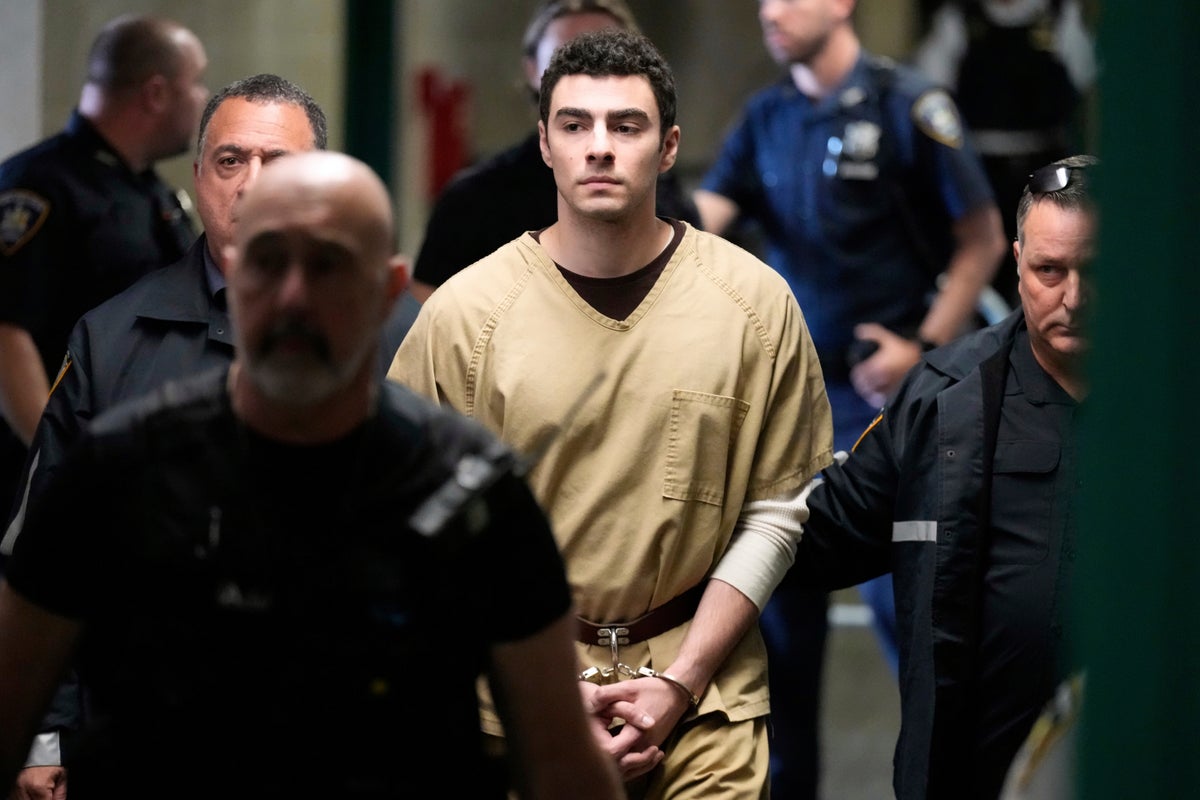
The legal saga surrounding Luigi Mangione just hit another snag, but it's not the massive reprieve his defense team was fishing for. On Wednesday, U.S. District Judge Margaret Garnett pushed the federal trial for the killing of UnitedHealthcare CEO Brian Thompson to October.
If you've been following this, you know the defense wanted a much bigger gap. They were gunning for a 2027 start date. Instead, they got a few extra weeks. The judge basically told them that while she recognizes the "logistical nightmare" of back-to-back trials, she isn't interested in letting the "tail wag the dog."
Here’s the reality. This case is a mess of overlapping jurisdictions, constitutional arguments, and a defendant who is already calling the whole process "double jeopardy by any commonsense definition."
The scheduling collision
The main reason for the delay is a simple calendar conflict. Mangione is facing two separate trials in two separate courts for the exact same set of events.
- The State Trial: Set to begin June 8. This is the heavy hitter—the murder charge in Manhattan state court. It’s expected to last four to six weeks.
- The Federal Trial: Originally set for September, now moved to October 5 for jury selection, with testimony starting October 26.
Mangione's lawyers argued that forcing a 27-year-old to prepare for two massive, life-altering trials at the same time is a violation of his constitutional rights. They pointed out a specific problem: during the state trial in June, Mangione would be stuck in court all day and then hauled back to a federal cell at night. When exactly is he supposed to review the 800+ juror questionnaires for the federal case?
Judge Garnett threw them a bone by compressing the jury selection prep, but she refused the year-long delay. She’s keeping the pressure on.
Why the federal case is still happening
You might wonder why there are two trials at all. If New York is already trying him for murder, why is the federal government involved?
Initially, the feds were brought in because the Trump administration wanted to pursue the death penalty. Since New York abolished the death penalty years ago, the only way to get an execution was through federal court. However, that plan fell apart in January when Judge Garnett dismissed the specific federal murder charges that carried a death sentence, calling them "technically flawed."
Now, the federal case is largely about stalking and gun charges. Specifically:
- Interstate travel to commit stalking.
- Use of electronic communications to stalk.
Even without the death penalty, Mangione is still looking at life in prison if convicted in either court.
The double jeopardy loophole
Mangione himself shouted in court that this is "the same trial twice." In most cases, you can't be tried for the same crime twice. But there's a "dual sovereignty" doctrine that allows state and federal governments to prosecute the same act if it violates both sets of laws.
However, New York has some of the strongest double jeopardy protections in the country. If the federal trial had happened first, the state's murder case might have been tossed out entirely. By scheduling the state trial for June, the Manhattan District Attorney ensures they get the first crack at him before those protections can kick in.
What’s actually at stake in October
When October rolls around, the federal trial won't just be a repeat of the state trial. While the state case focuses on the act of the killing itself, the federal case will likely lean heavily into the "premeditation" and the digital trail.
Prosecutors claim they have:
- A notebook describing a plan to "wack" a health insurance executive.
- The 9mm handgun found at the time of his arrest in a Pennsylvania McDonald's.
- The "delay, deny, depose" ammunition that turned the case into a flashpoint for national anger toward the healthcare industry.
What you should watch for next
Don't expect the October date to be set in stone. Judge Garnett explicitly said the schedule could shift again if the state trial in June gets pushed back. In high-profile cases like this, delays are the rule, not the exception.
If you’re tracking this case, here are the dates that actually matter now:
- May 2026: A state judge will rule on whether to exclude key evidence, like the notebook and the gun. If that evidence gets tossed, the state’s case takes a massive hit.
- June 8, 2026: The start of the state murder trial. This is where the most graphic evidence and testimony will likely surface.
- October 5, 2026: Federal jury selection begins.
The defense is playing a game of attrition, trying to wear down the timeline and hope for a break. The prosecution is sprinting to get a conviction before the public's focus shifts. For now, Mangione stays in a cell, waiting for a summer and fall that will decide the rest of his life.