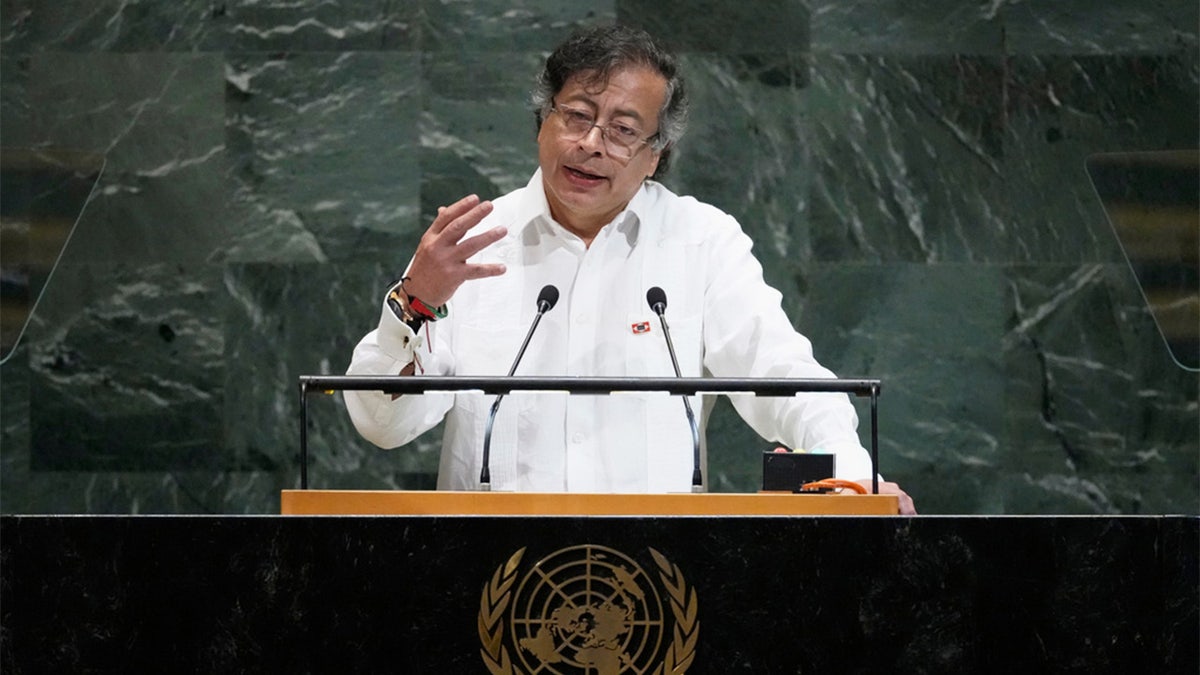
The stability of West Asia currently hinges on a fragile feedback loop where the cost of total war barely outweighs the perceived benefits of regional hegemony. While diplomatic rhetoric often focuses on moral imperatives, the survival of the current ceasefire is a function of game theory and resource exhaustion rather than ethical consensus. UN Secretary-General António Guterres’s call for dialogue represents an attempt to shift the regional logic from a zero-sum attrition model to a managed de-escalation framework.
The Triad of Deterrence: Why Ceasefires Hold or Fail
To understand the current volatility, one must analyze the conflict through three specific variables: the capacity for kinetic endurance, the internal political pressure on state actors, and the threshold of external intervention. A ceasefire is not a state of peace; it is a temporary equilibrium where all parties calculate that further aggression yields diminishing marginal returns.
1. Kinetic Attrition and Resource Constraints
Modern warfare in West Asia is defined by high-intensity munitions consumption and the degradation of defensive infrastructure. When the UN calls for a "preservation" of the ceasefire, it is effectively acknowledging that multiple actors have reached a logistical bottleneck.
- Inventory Depletion: The rate of interceptor missile usage vs. incoming projectile volume creates a "defense deficit."
- Economic Opportunity Cost: Prolonged mobilization drains civilian labor forces and halts foreign direct investment, creating a domestic "pain threshold."
2. The Internal Credibility Gap
Leaders within the conflict zones face a dual-audience problem. They must project strength to domestic hardliners while signaling restraint to international creditors and allies. The current push for dialogue serves as a pressure valve, allowing leadership to pause hostilities without admitting defeat, framing the halt as a "strategic pivot" rather than a retreat.
3. The Proxy Variable
The West Asia conflict is rarely bilateral. It functions as a series of nested competitions where global powers use regional proxies to test weapon systems and geopolitical boundaries. A ceasefire holds only as long as the primary patrons—the United States, Russia, and China—view stability as more profitable than managed chaos.
The Mechanics of Effective Dialogue
The UN’s insistence on "dialogue" is often criticized as being toothless. However, in a consulting framework, dialogue serves as a mechanism for Information Symmetry. Conflicts are frequently exacerbated by "miscalculation based on asymmetric intelligence"—where one side believes the other is weaker or more aggressive than they actually are.
Establishing the Communication Protocol
For dialogue to move from a rhetorical device to a functional tool, it must address three structural requirements:
- Red Line Transparency: Clearly defined boundaries that, if crossed, guarantee a specific kinetic response. Ambiguity in "red lines" leads to incremental escalation, as actors "probe" for weaknesses.
- Verification Architecture: Neutral third-party monitoring of troop movements and weapon shipments. Without a verification layer, any ceasefire is merely an opportunity for re-armament.
- Incentive Alignment: Connecting the cessation of hostilities to tangible economic benefits, such as the unfreezing of assets or the restoration of trade routes.
The Cost Function of Escalation
The risk of a total regional breakdown can be modeled as a cascading failure. If the ceasefire collapses, the subsequent "contagion" follows a predictable path:
- Energy Market Disruption: A shift from localized skirmishes to maritime interdiction in the Strait of Hormuz or the Bab al-Mandab Strait introduces a global tax on energy. This is not just a price spike; it is a fundamental shift in the global supply chain risk profile.
- Refugee Displacement and State Fragility: The humanitarian crisis is not merely a moral tragedy; it is a destabilizing force for neighboring economies (Jordan, Lebanon, Egypt). The influx of displaced populations creates a strain on social services that can lead to internal civil unrest, further expanding the conflict zone.
- Technological Escalation: We are seeing the first large-scale application of AI-driven targeting and mass-produced loitering munitions. A full-scale conflict would accelerate this "drone race," lowering the barrier to entry for non-state actors and permanently altering the nature of asymmetric warfare.
Limitations of the Secretary-General’s Position
The UN’s primary limitation is the lack of an enforcement mechanism. While Guterres can define the "moral high ground," he cannot impose a "security guarantee." The UN operates on the "Consent of the Governed" principle in international law, which is often disregarded when a state perceives an existential threat.
The current ceasefire is vulnerable to "Black Swan" events—unintended strikes on high-value civilian infrastructure or the accidental killing of high-ranking officials. These events bypass the logical cost-benefit analysis of leadership and trigger "honor-based" or "retaliatory" cycles that are difficult to break through traditional diplomacy.
Strategic Realignment: The Path to Durable Stability
The transition from a fragile ceasefire to a durable regional architecture requires moving beyond the "Grievance Cycle." Dialogue must be professionalized and stripped of its ideological baggage.
The immediate priority for regional stakeholders is the establishment of a Regional Security Coordination Center. This would function similarly to the "Hotline" era of the Cold War, focusing on de-conflicting military movements in real-time to prevent accidental escalations.
Furthermore, the international community must shift its focus from "Aid" to "Investment-Linked Peace." By tying infrastructure projects (renewable energy grids, water desalination plants, and cross-border rail) to specific security benchmarks, the cost of breaking the ceasefire becomes quantifiable in lost GDP.
The strategy is clear: make the economic and political cost of conflict so high that peace becomes the only viable business model for the ruling elites. The UN's call for dialogue is the first step in this quantification process, turning a chaotic emotional conflict into a structured negotiation over shared survival.