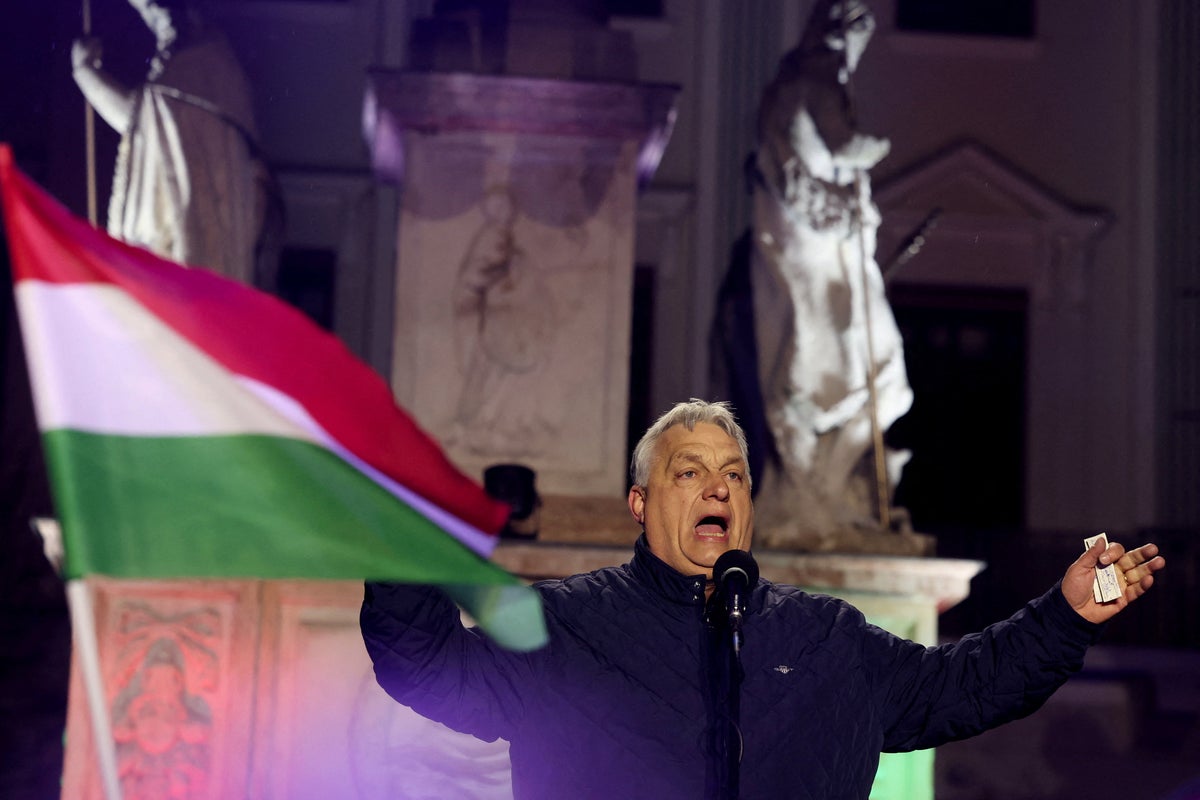
Viktor Orban's grip on Hungary has never felt this shaky. For over a decade, the script was predictable: a fractured left-wing opposition would stumble, and Orban would sail to another two-thirds majority. But as the April 12, 2026, election approaches, that old comfort zone has vanished. While the mainstream media is obsessed with Peter Magyar and his Tisza Party, they're missing the real kingmaker lurking on the flanks: Mi Hazank Mozgalom (Our Homeland Movement).
Laszlo Toroczkai’s far-right party isn't just a fringe group of radicals anymore. It’s a disciplined, growing force that could determine whether Orban stays in the Carmelite Monastery or faces a humiliating exit. If Fidesz falls short of a majority—a scenario that seemed impossible just two years ago—Mi Hazank becomes the only bridge Orban has left to hold onto power.
The End of the Two-Thirds Era
Since 2010, Orban hasn't just governed; he's dominated. He’s used his "supermajority" to rewrite the constitution and overhaul the electoral system. But 2026 is different. The rise of Peter Magyar has sucked the air out of the room, drawing disillusioned Fidesz voters and former leftists into a massive centrist surge. Recent polling shows Fidesz and Tisza neck-and-neck, with Orban’s party hovering around 45-47%.
In a system where every seat counts, the 5-7% of the vote that Mi Hazank reliably commands is no longer a rounding error. It's the margin of survival.
If Orban loses his majority, he has two choices: form a coalition or watch the country descend into a legislative stalemate that could trigger fresh elections. He won't work with Magyar. He won't work with the remnants of the old left. That leaves Toroczkai.
Why Mi Hazank is Pulling From Orban's Base
It’s a mistake to think Mi Hazank only attracts "extremists." They’re winning over people who think Orban has gone soft—or worse, become part of the very "globalist elite" he rails against.
- Sovereignty Over Everything: While Orban plays a complex game of chicken with Brussels to keep the funds flowing, Mi Hazank wants a hard break. They talk about "Huxit" with a bluntness Orban won't touch.
- The Anti-Vax and Tech-Skeptical Crowd: During the pandemic, Mi Hazank was the only party to vocally oppose lockdowns and mandates. That built a loyal, "alternative" base that doesn't trust government narratives, even Fidesz-flavored ones.
- The Rural Heartleaf: They’re hitting the small villages where Fidesz used to be untouchable, focusing on "Zionist influence" and "LGBTQ propaganda" with an intensity that makes Orban’s rhetoric look moderate by comparison.
The Coalition of Last Resort
Don't be fooled by the public sniping between Fidesz and Mi Hazank. In politics, necessity breeds brotherhood. Toroczkai has spent years positioning his party as the "constructive opposition," but his real goal is influence.
Imagine a post-election Budapest where Fidesz has 95 seats and Tisza has 90. The 14 seats held by Mi Hazank suddenly become the most valuable real estate in Europe. Toroczkai wouldn't just want a ministry; he’d want a seat at the table to dictate Hungary’s stance on the Ukraine war, border security, and EU relations.
Orban knows this. It’s why he’s shifted his own rhetoric further right over the last six months. He’s trying to "starve" Mi Hazank of their talking points. It’s not working. The more Orban talks like Toroczkai, the more he validates Toroczkai’s platform.
The Risks for Orban
Partnering with the far-right isn't a free lunch. If Orban brings Mi Hazank into the fold, he risks:
- Total EU Isolation: Brussels is already looking for reasons to freeze more funds. A formal far-right coalition would be the smoking gun they need.
- Alienating Moderate Fidesz Voters: There’s a segment of the Hungarian middle class that likes Orban for the stability but finds Toroczkai’s "paramilitary" vibes terrifying.
- Losing the Narrative: Orban prides himself on being the undisputed leader of the "Illiberal" world. Sharing that stage with a younger, more aggressive radical like Toroczkai would signal that the Orban era is entering its twilight.
Watch the Margins
The 2026 election won't be won in the grand rallies in Budapest. It’ll be won in the second-tier cities like Miskolc and Debrecen. Watch the "transfer" votes. If Fidesz voters feel Orban is losing his edge against the "liberal threat" of Peter Magyar, they might jump ship to Mi Hazank to "ensure" a right-wing victory.
Ironically, the more Magyar grows, the more essential Mi Hazank becomes to Orban’s math.
What You Should Keep an Eye On
If you're tracking this election, stop looking at the national aggregate for a moment. Instead, focus on these three indicators over the next few weeks:
- The "Peace March" Turnout: Orban’s recent rallies have been massive, but check the age demographics. If the youth presence is thin, those votes are likely heading to Tisza or Mi Hazank.
- Toroczkai’s Media Strategy: Watch his YouTube and TikTok presence. Mi Hazank bypasses state media and independent outlets alike, reaching voters directly in a way the old-school Fidesz machine struggles to mimic.
- The "Treason" Rhetoric: If Orban starts labeling Mi Hazank as "helpers of the left," he’s scared. If he ignores them, he’s already planning the coalition.
The 2026 election is a referendum on Orban, but the result might be written by the party he spent years trying to ignore. Pay attention to the fringes; that’s where the power is shifting.