Imagine a room in Islamabad where the air conditioner hums against a heat that feels personal. On the mahogany table sit three secure phones. One connects to Washington, where the rhetoric is cold and the sanctions are heavy. One connects to Tehran, where the language of resistance is a matter of national identity. The third connects to Riyadh, the silent partner whose checkbook has kept the lights on in this very room for decades.
Pakistan is often described as a "peace broker" in the volatile friction between the United States and Iran. It sounds noble. It sounds like the role of a neutral statesman. But in the corridors of power, neutrality is a luxury Pakistan cannot afford. This isn't a chess game played for points. It is a survival act performed on a high wire, and the wire is fraying.
The fundamental tension is simple: Pakistan needs Iran for its energy and its borders, but it needs Saudi Arabia for its very existence.
The Shadow of the Sentinel
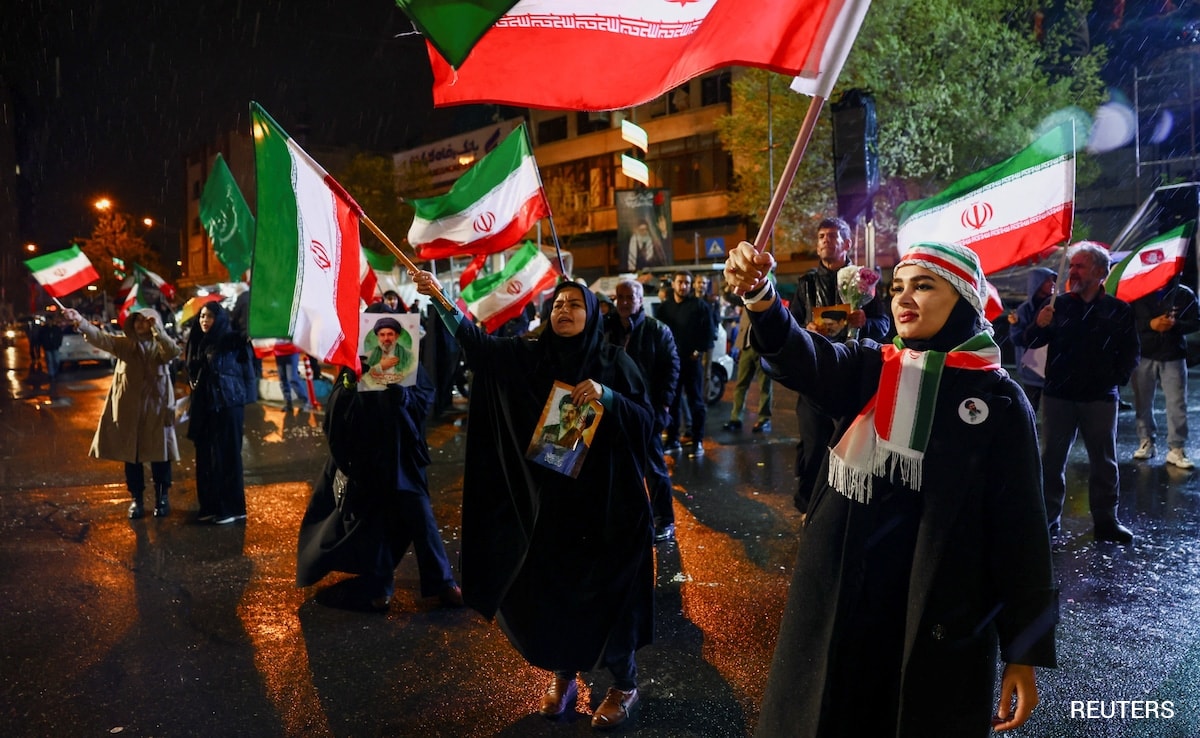
To understand why Pakistan struggles to mediate, you have to look at the map. Geography is a shadow that never leaves. Pakistan shares a 900-kilometer border with Iran. In the border towns of Balochistan, the line between countries is often just a suggestion. Smuggled Iranian fuel keeps local trucks running. Families live on both sides. A full-scale war between the U.S. and Iran would turn Pakistan’s western flank into a chaotic corridor of refugees and radicalization.
Islamabad knows this. They have spent forty years dealing with the fallout of the war in Afghanistan. They cannot handle a second "forever war" on their other porch.
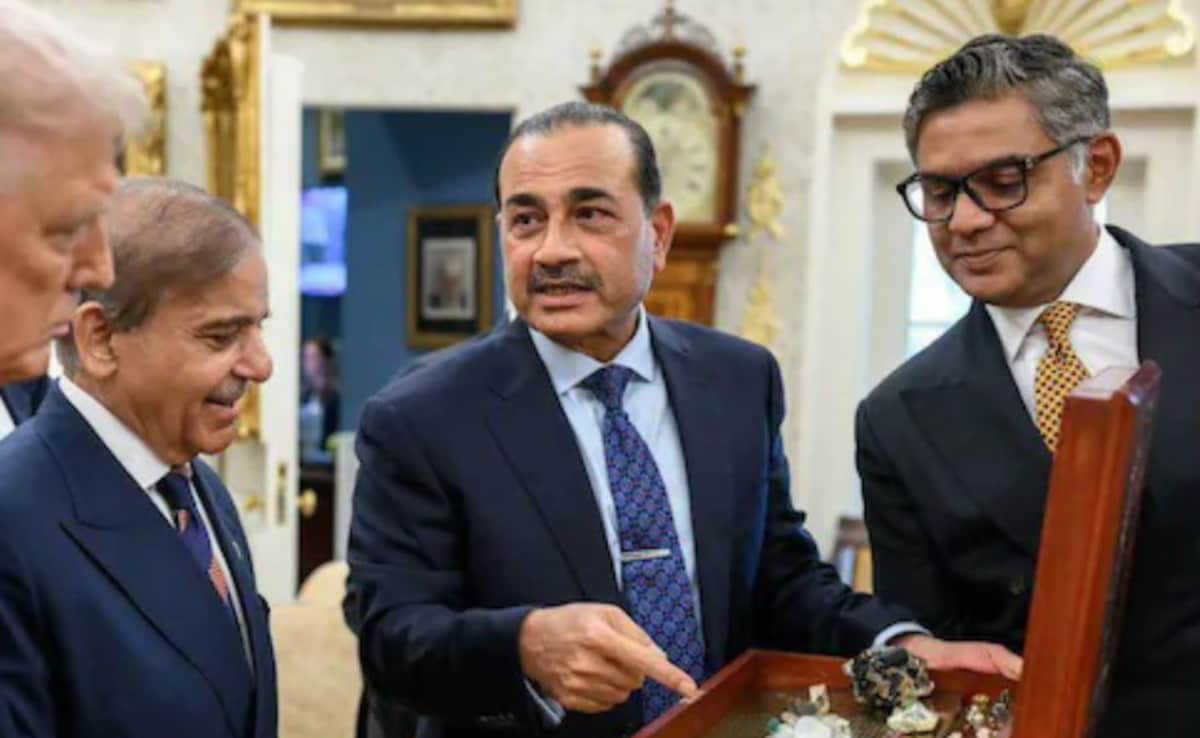
So, when tensions spike—when a drone strike takes out a general or a tanker is seized in the Gulf—Pakistan moves. It sends its Prime Ministers and Foreign Ministers on "shuttle diplomacy" missions. They fly to Tehran to preach restraint. They fly to Washington to urge de-escalation. They offer themselves as the bridge because the alternative is a flood that will drown them.
The Riyadh Constraint
This is where the narrative of the "independent mediator" hits a wall. That wall is built of Saudi riyals.
Pakistan’s economy has spent the last decade in a state of near-collapse. Inflation has gutted the middle class. The foreign exchange reserves often dip so low they can barely cover a few weeks of imports. Every time the cliff edge nears, the phone call goes to Riyadh.
The Saudi response is usually a billion-dollar deposit in the central bank or a deferred oil payment plan. These are not gifts. They are anchors.
Saudi Arabia views Iran not just as a neighbor, but as an existential rival for the soul of the Islamic world. When Pakistan tries to broker peace with Tehran, Riyadh watches with a cold eye. The Saudis do not want a mediator who treats both sides as equals; they want a partner who recognizes their primacy.
This creates a brutal paradox. Pakistan cannot be an effective peace broker if Iran perceives it as a Saudi client. Conversely, if Pakistan leans too far toward Tehran to build trust, it risks the wrath of the House of Saud.
The American Factor
Then there is the third phone.
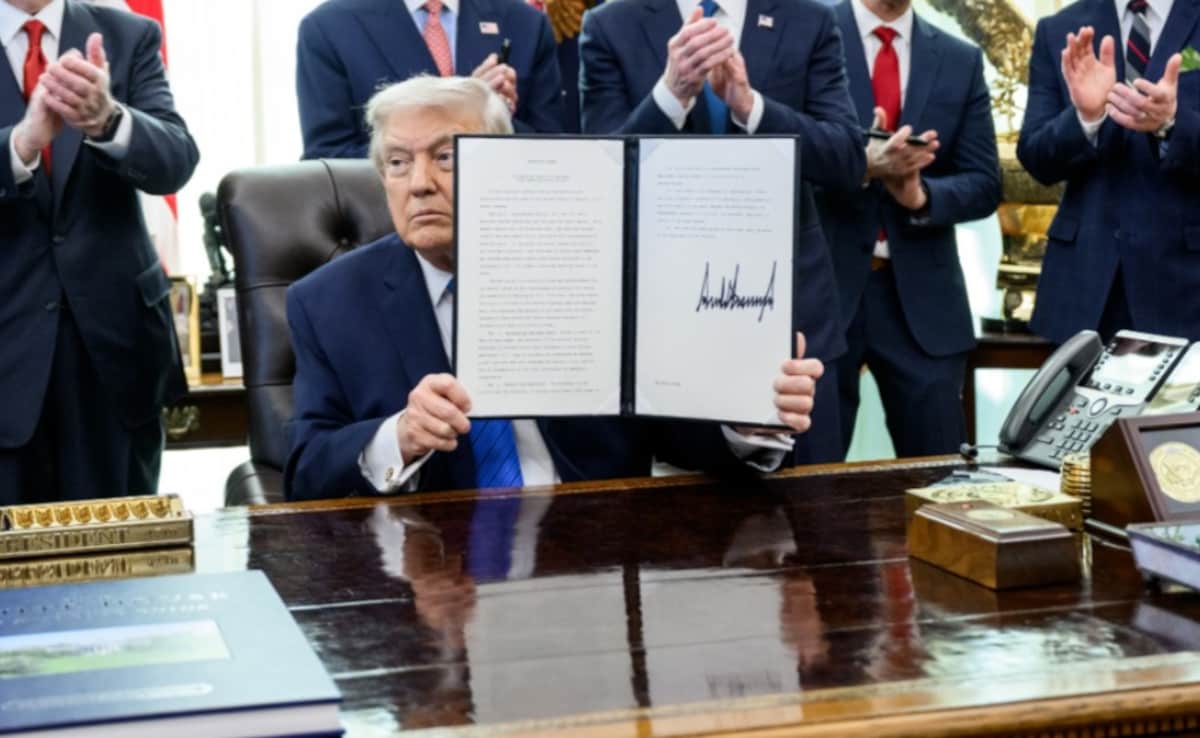
Washington’s relationship with Islamabad is a long history of convenience and resentment. Currently, the U.S. sees Pakistan through the narrow lens of counter-terrorism and the containment of Iran. When Pakistan tries to play the middleman, Washington often sees it as a stall tactic.
Consider the Iran-Pakistan gas pipeline. It was supposed to be the "Peace Pipeline." It would have solved Pakistan's crippling energy shortages. But the project has sat unfinished for years, a rusting monument to geopolitical pressure. Every time Pakistan moves to complete its section, Washington whispers the word sanctions.
Pakistan is forced to choose between a neighbor that can provide the heat for its factories and a superpower that controls the global financial system.
It is a choice between starving today or burning tomorrow.
The Human Cost of the Balance
Behind the talk of "strategic depth" and "regional pivots" are the people.
Think of a textile factory owner in Faisalabad. He doesn't care about the ideological battle between the Ayatollah and the Crown Prince. He cares that his power goes out for eight hours a day because his country can't secure a stable energy source. He cares that the cost of shipping his goods is skyrocketing because the Strait of Hormuz is a tinderbox.
Think of the soldiers on the border. They are tasked with stopping militants who exploit the friction between Tehran and Islamabad. When the two capitals aren't talking, the border becomes porous. Young men die in skirmishes that are fueled by the lack of a coherent regional security framework.
Pakistan’s desire to be a peace broker isn't born of vanity. It is born of a desperate need for a quiet neighborhood. But you cannot build a quiet neighborhood when your landlord and your best friend are trying to burn each other's houses down.
The Illusion of Choice
The tragedy of Pakistan’s position is that the "Saudi problem" isn't actually a problem that can be solved. It is a condition.
As long as Pakistan remains economically fragile, its foreign policy will be auctioned to the highest bidder. You cannot be a neutral arbiter when you are asking one of the parties for a loan to pay your electricity bill. True mediation requires a level of leverage that Pakistan currently lacks.
When Islamabad offers to "bridge the gap," the world nods politely, but the players stay in their corners. They know that Pakistan is not just a bridge; it is a country being pulled in three different directions by three different gravities.
The high wire is still there. The hum of the air conditioner in that Islamabad meeting room continues. The phones stay on the table. But the peace broker knows a truth that the official press releases never mention.
It is very hard to hold someone's hand when your own hands are tied.
Would you like me to analyze the specific economic data regarding Saudi aid to Pakistan to see how it correlates with major diplomatic shifts?