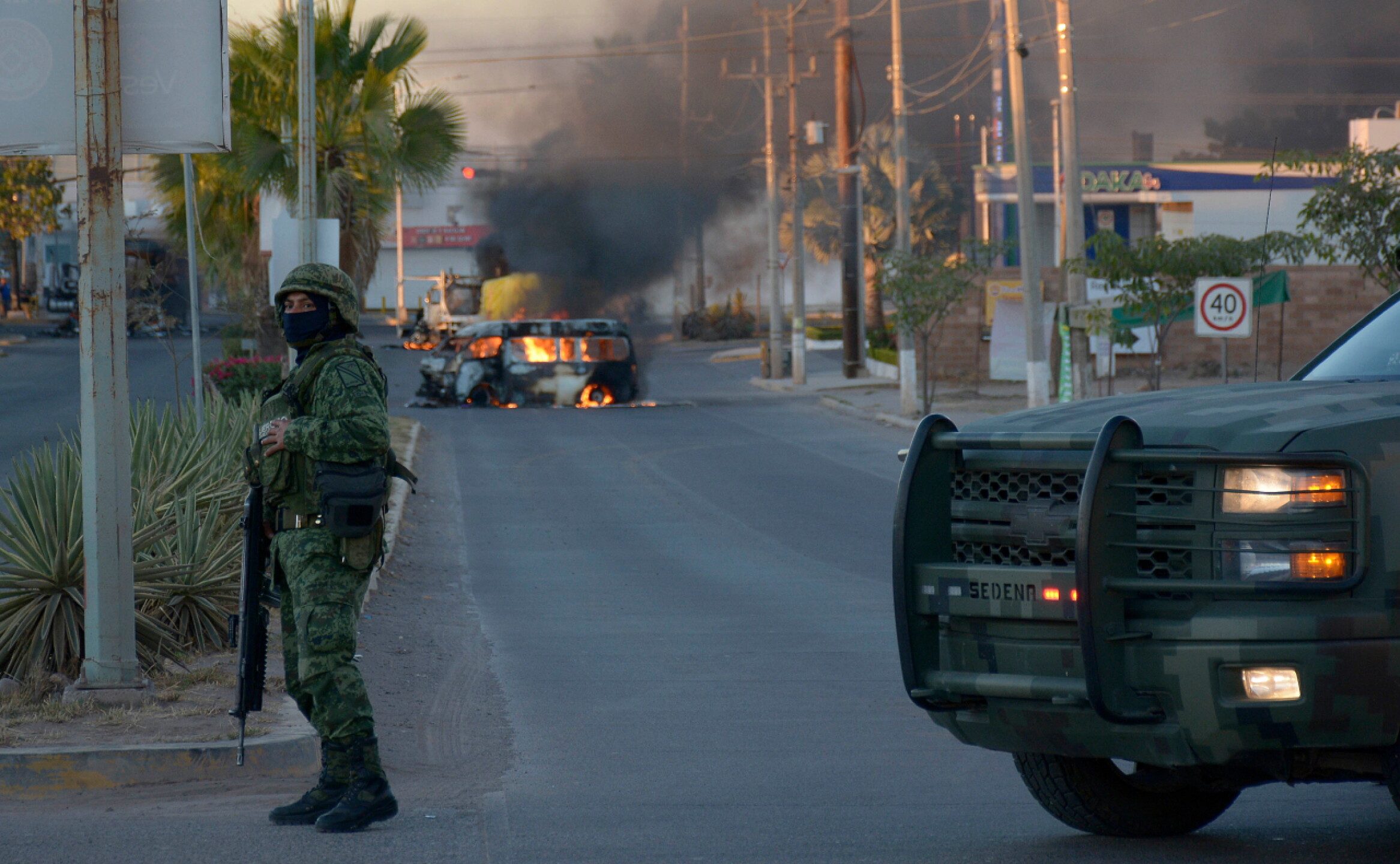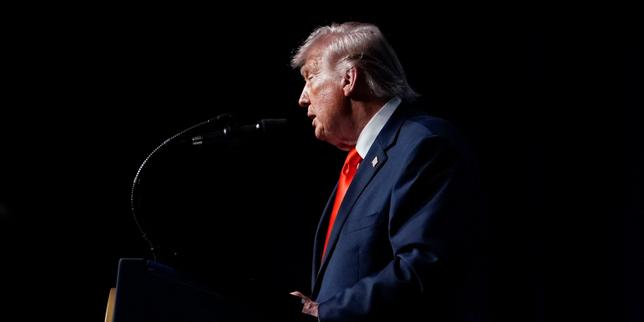
The media loves a predictable script. When an American president bypasses the legislature to declare "hostilities over" or pivots on a dime regarding Middle Eastern tensions, the pundit class rushes to the same tired tropes. They scream about constitutional crises. They mourn the death of checks and balances. They act as if the War Powers Resolution of 1973 was actually worth the paper it was printed on.
It wasn't. It isn't. And it never will be.
If you think Donald Trump—or any president, for that matter—is "circumventing" Congress, you are fundamentally misreading the power structure of the modern state. You cannot circumvent a body that has spent the last five decades aggressively outsourcing its own responsibility. Congress didn't lose its power; it handed it over because accountability is bad for reelection.
The War Powers Resolution is a Ghost
Standard reporting suggests that the President is breaking the law by ignoring the 1973 War Powers Resolution. This is a fairy tale. Since its inception, every single president—Republican and Democrat—has treated this resolution as an unconstitutional suggestion rather than a mandate.
The legislative branch has the "power of the purse," sure. But have you ever seen them actually close the wallet while troops are in the field? No. Because the political cost of "not supporting the troops" is higher than the cost of letting a president run a shadow war.
The reality is that we live in an era of Unitary Executive Theory on steroids. When a leader declares hostilities "finished," they aren't seeking permission. They are setting a market reality. The markets react, the oil prices shift, and the military-industrial complex retools for the next theater. To argue over whether this is "allowed" is like arguing with a hurricane about property lines.
Why "Hostilities Over" is a Strategic Lie
The headline says "hostilities are over." The insider knows that "over" just means the overhead has become too high.
In modern geopolitics, peace is simply the interval between different methods of economic strangulation. When the kinetic phase of a conflict ends, the structural phase begins. By declaring a win and moving on, an administration isn't just seeking peace; they are clearing the books for a different kind of aggression—sanctions, cyber warfare, and currency manipulation.
I’ve watched analysts waste months predicting troop movements while ignoring the movement of billions in "dark" liquidity. The real war doesn't end when the jets land. It just moves to the central banks.
The Nuance Everyone Misses
The mainstream take is that Trump is being impulsive or isolationist. The contrarian truth? It’s a cold, calculated move to de-risk the American portfolio. By "ending" hostilities, the executive branch removes the immediate legal requirement for specific Congressional reporting, paradoxically giving the Pentagon more freedom to operate in the shadows.
When you aren't "at war," you don't have to explain why you're still dropping bombs. It's just "counter-terrorism" or "security cooperation."
The Congressional Incompetence Trap
People often ask: "Why doesn't Congress just sue?" or "Why don't they stop the funding?"
The premise is flawed. Most members of Congress lack the security clearances or the technical literacy to understand the weapon systems and intelligence feeds they are supposed to be "overseeing." I've sat in rooms where lawmakers couldn't tell the difference between a tactical drone strike and a strategic cyber-op.
They don't want to know. If they know, they are responsible. If the President acts alone, they can complain on cable news without having to vote on a record that might age poorly. It’s a symbiotic relationship of cowardice.
[Image of the three branches of the US government]
The Economic Reality of the "End" of Conflict
Let’s talk about the money. Peace is expensive. War is expensive. But the transition from war to peace is where the real vultures feed.
When a president declares a conflict finished, it triggers a massive reshuffling of defense contracts. The "emergency" funding dries up, and the "long-term stability" funding begins.
- Logistics firms lose their high-risk premiums.
- Private security contractors pivot to "consultancy."
- Commodity traders hedge against the sudden influx of regional exports.
If you are watching the political theater in D.C. instead of the order flow in Chicago or London, you are being distracted by the shiny object. The executive branch doesn't bypass Congress for the sake of power; it does it for the sake of speed. Capital doesn't wait for a floor vote in the Senate.
The Illusion of International Law
Critics will tell you that unilateral declarations of the end of hostilities violate international norms.
International law is a hobby for academics. In the realm of global hegemony, there is only "capability" and "intent." If you have the capability to stay and the intent to leave, you leave. The UN isn't going to send a repo man to Tehran or Washington.
The "hostilities finished" narrative is a signal to foreign adversaries that the US is changing its cost-benefit analysis. It’s an invitation for a new set of negotiations where the US no longer pays the "war tax." It’s not diplomacy; it’s a restructuring of a bad debt.
Stop Asking if it’s Legal
Start asking if it’s effective.
The legality of executive action hasn't been a serious question since the 1940s. We have entered a post-statutory era of foreign policy where the President functions as a Chief Operating Officer rather than a constitutional magistrate.
If you want to understand the "war in Iran" or the "end" of it, stop reading the Constitution. It won't help you. Read the quarterly reports of the top five defense contractors. Look at the insurance premiums for tankers in the Strait of Hormuz.
The executive branch didn't break the system. They just stopped pretending the old system still exists. While the "experts" are busy debating the 1973 Resolution, the world has moved on to a model of perpetual, low-boil conflict that never requires a declaration and therefore never truly ends.
The check on presidential power isn't a vote in the House. It’s the exhaustion of the national credit line. Until that happens, the President will continue to declare wars over whenever it suits the afternoon news cycle, and Congress will continue to pretend they are outraged while they cash the checks.
Stop looking for a hero in a suit. The ink on the treaties is dry before the public even hears the names of the negotiators. This isn't a breakdown of democracy; it's the final form of a global superpower that has outgrown its own rulebook.
The theater is for you. The results are for the stakeholders.