The air in the Pentagon briefing room has a specific weight to it. It is thick with the scent of floor wax and the static charge of unspoken history. When Defense Secretary Pete Hegseth stepped to the lectern, he wasn't just delivering a policy update. He was attempting to dismantle a psychological architecture that has defined American life for a quarter-century. The "Endless War" is more than a political talking point; it is a ghost that haunts military families at kitchen tables in Ohio and soldiers in the parched shadows of the Zagros Mountains.
Hegseth’s message was a sharp blade aimed at that ghost. He insists the brewing conflict with Iran is not an infinite loop. He says we fight to win.
Consider a young lieutenant named Sarah. She is a hypothetical composite of the thousands currently watching the horizon. Sarah grew up in the shadow of 2001. For her entire conscious life, the United States has been "at war," yet the definition of victory has remained as blurred as a desert mirage. To Sarah, war isn't a season; it's the climate. When the Secretary speaks of "winning," he is talking directly to her. He is promising that her deployment has a factual, reachable expiration date.
The skepticism is earned. Since the early 2000s, the American public has watched "mission creep" transform precise operations into decades-long nation-building projects. We became experts at staying, but we forgot how to finish. This is the friction Hegseth is fighting against. He is betting that a shift in philosophy—moving away from managed escalation and toward decisive outcomes—can break the cycle.
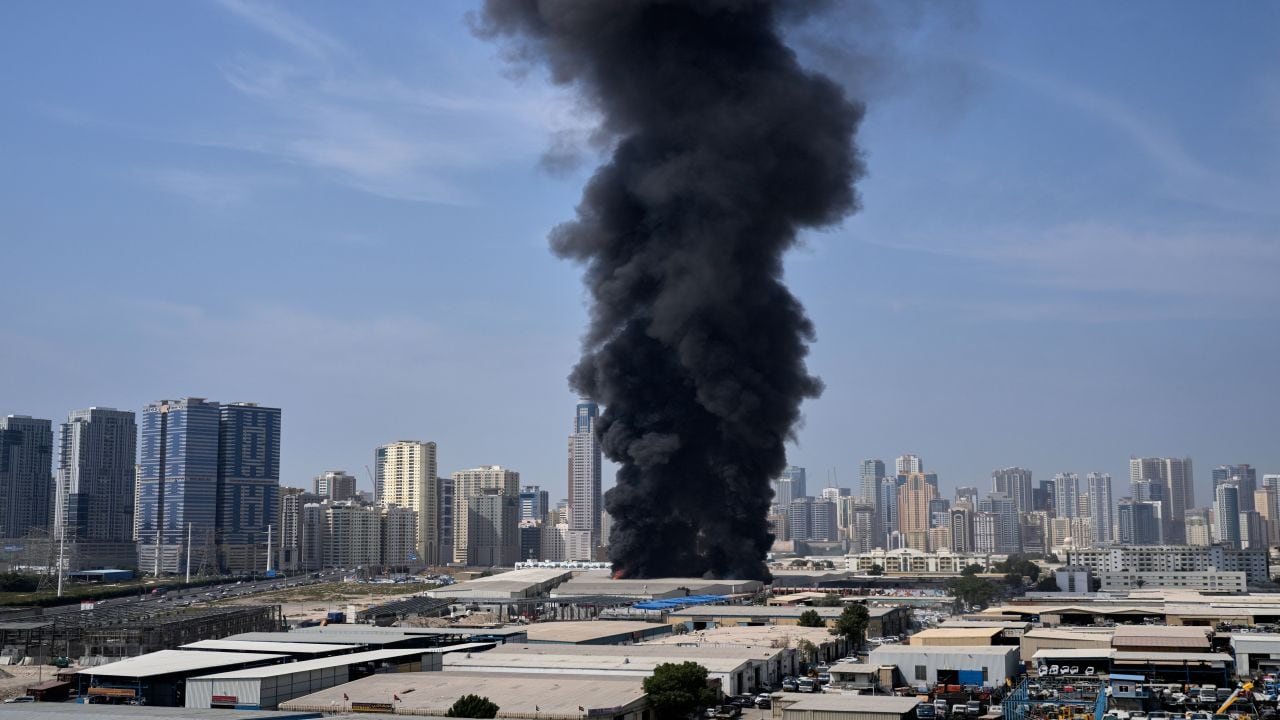
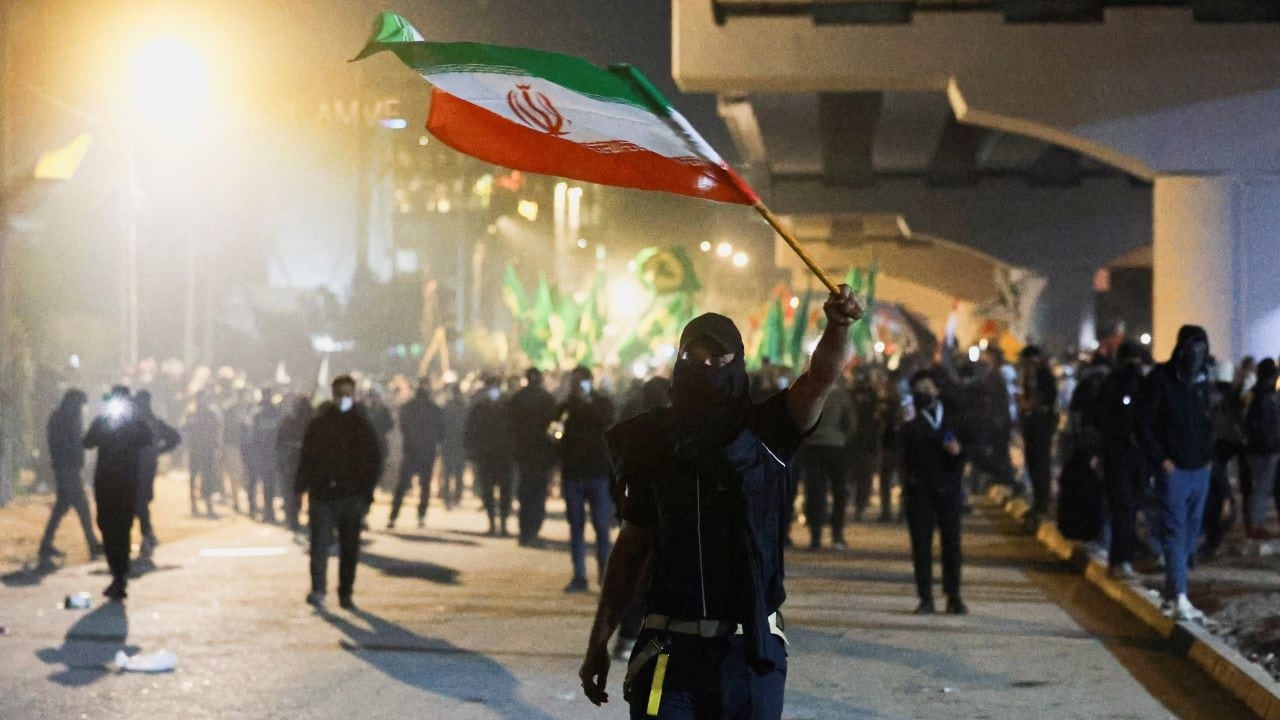
The tension with Iran isn't a new story, but the stakes have shifted into a terrifying new gear. We aren't just talking about old-school artillery or naval maneuvers in the Strait of Hormuz. We are looking at a digital and kinetic landscape where a single drone strike or a localized cyberattack can ripple across the global energy market in seconds.
The Secretary’s "fight to win" doctrine implies a fundamental change in how the military uses its toys. In the past, the goal was often "deterrence through presence." We parked carriers in the Gulf and hoped the sheer sight of them would keep the peace. Hegseth is signaling that presence is no longer the point. Purpose is the point. If the orders come, they won't be to "contain" or "manage." They will be to neutralize the threat and come home.
It sounds simple. It is anything but.
Winning a conflict with a state actor like Iran isn't like the clear-cut surrenders of the twentieth century. There will likely be no signed treaty on a battleship. Instead, winning in this era means the total degradation of a regime’s ability to project terror or disrupt global stability. It means ensuring that the next generation of Sarahs doesn't have to return to the same patch of sand ten years from now to fight the same ghost.
The human cost of "not winning" is measured in more than just lives lost. It is measured in the erosion of national will. When a country feels like its conflicts have no end, it begins to pull inward. It loses faith in its institutions. Hegseth knows this. His rhetoric is a gamble on the idea that the American people will support a sharp, intense effort if they are certain it won't become a generational quagmire.
But what does winning actually look like when the battlefield is everywhere?
Imagine the digital infrastructure of a modern city. A "win" in the 21st century involves securing the invisible threads of the internet and the power grid just as much as it involves holding a ridge line. The Secretary’s insistence on a non-endless conflict suggests a reliance on high-tech, surgical capabilities that didn't exist during the initial invasions of Iraq or Afghanistan. We are talking about AI-driven intelligence, hypersonic delivery systems, and a level of precision that—theoretically—allows for a "short" war.
The danger, of course, is that the enemy has a vote.
Iran is not a disorganized insurgency. It is a sophisticated state with a deep memory and a long reach. They have spent decades perfecting "gray zone" warfare—actions that sit just below the threshold of open combat but keep their adversaries in a state of constant, low-level exhaustion. To beat the gray zone, you have to be willing to step into the light. You have to be willing to define the terms of the engagement rather than reacting to their provocations.
There is a visceral, almost raw quality to Hegseth’s stance. It rejects the polite, academic language of the "forever war" era. It’s a return to a more primal understanding of military force. If you strike, strike to end the argument.
But beneath the bravado, there is a heavy silence. It’s the silence of the families who have heard "we’re winning" before. They heard it in 2003. They heard it during the surges. They heard it right up until the chaotic withdrawals. The Secretary isn't just fighting a foreign adversary; he’s fighting a legacy of disappointment. He is trying to prove that the United States still possesses the clarity of vision to know when a job is done.
The stakes are invisible until they aren't. They are invisible when you’re pumping gas and the price stays steady because the shipping lanes are clear. They are invisible when your phone connects to the network without a hitch. They become visible the moment a drone hits an oil refinery or a submarine cuts a fiber-optic cable.
Hegseth’s "win" isn't just a military objective. It’s a promise of stability. It’s an assertion that the United States is tired of the shadows and ready to walk back into the sun, provided the work is finished.
As the sun sets over the Potomac, the giant machine of the American military continues to hum. Engines are tested. Satellites reposition. Soldiers pack their gear, wondering if this time will be different. The Secretary has laid down the marker. He has promised a finish line in a world that has forgotten what one looks like.
The ghost of the endless war is still in the room, watching and waiting to see if we finally have the courage to stop chasing it and start outrunning it.
The true test isn't the fight itself. It’s the peace that follows—and whether we have the strength to make it stick.