Fear sells better than facts. Panic moves more units than protocols.
The media circus surrounding the American passenger from a hantavirus-hit cruise ship arriving in Nebraska for "monitoring" is the perfect case study in how public health authorities prioritize optics over biology. We are watching a billion-dollar bureaucracy perform a high-stakes play for an audience of terrified citizens, while ignoring the actual mechanics of the virus in question.
Hantavirus is not the airborne apocalypse you see in Hollywood movies. It is a specific, brutal, and largely misunderstood pathogen. By treating a single case like a biohazard spill in the heart of the Midwest, we aren't just wasting resources—we are training the public to be afraid of the wrong things.
The Transmission Lie
The standard narrative suggests that anyone in the vicinity of a hantavirus case is a ticking time bomb. This is scientifically illiterate.
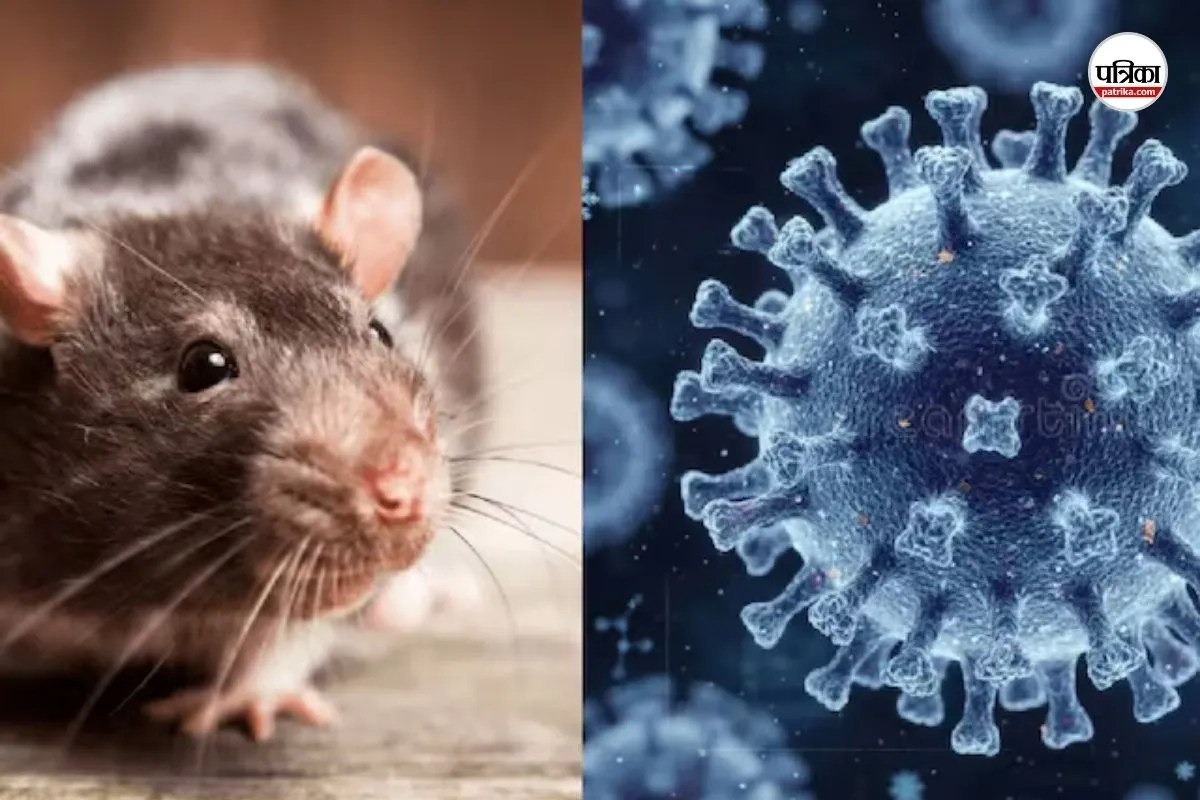
In North America, the primary threat is Hantavirus Pulmonary Syndrome (HPS). Most of these strains, particularly the Sin Nombre virus common in the United States, are not transmitted person-to-person. You get it from breathing in aerosolized droppings, urine, or saliva from infected rodents. It is a disease of rural cleaning, dusty sheds, and poor pest control.
Yet, when a cruise ship passenger tests positive, the federal response shifts into high gear as if we are dealing with a pneumonic plague outbreak. This is medical theater. Unless that passenger brought a bag of infected deer mice onto the flight to Nebraska, the risk to the general public—and even to medical staff using basic precautions—is effectively zero.
The Andes virus in South America has shown limited evidence of person-to-person spread, but even there, the mechanics are inefficient. Treating a potential North American case with "Level 4" optics creates a false equivalence that confuses the public when a truly contagious respiratory virus actually hits.
The Nebraska Biocontainment Unit Is a Golden Sledgehammer
Nebraska Medicine’s Biocontainment Unit is world-class. I have seen the way these facilities operate; they are designed for Ebola, Marburg, and the most aggressive viral hemorrhagic fevers known to man.
Using this facility for a hantavirus observation is like using a sledgehammer to kill a fly. It’s an expensive, resource-heavy flex.
- Financial Drain: The cost of transporting a single patient via specialized private charter and activating a high-level containment team runs into the hundreds of thousands, if not millions.
- Opportunity Cost: Every hour a specialized team spends "monitoring" a non-contagious patient is an hour they aren't training for the next real pandemic.
- Psychological Damage: When the public sees men in "space suits" handling a patient, they assume the threat level is maximum. When the threat fails to materialize, you get "Cry Wolf Syndrome."
The Cruise Ship Obsession
Why are we so obsessed with cruise ships? Because they are closed loops. They provide a tidy data set for epidemiologists and a scary visual for news anchors.
The reality is that you are statistically more likely to contract hantavirus by cleaning out your own garage or hiking in the Southwest than you are on a luxury liner. But "Local Man Cleans Shed" doesn't get the clicks.
The "hantavirus-hit ship" narrative implies a floating petri dish of rodent-borne filth. While cruise lines have their share of sanitation issues, the focus on the ship distracts from the actual environmental triggers of the virus. We are looking at the symptoms of a globalized travel network rather than the biology of the reservoir host.
The Real Numbers Nobody Wants to Discuss
Let’s talk about the math. Hantavirus is rare. In the United States, we see roughly 30 to 80 cases a year. Compare that to the thousands of people who die from hospital-acquired infections (HAIs) or the flu.
We are hyper-fixating on a disease with a high mortality rate—roughly 38% for HPS—but an incredibly low transmission rate. From a public health standpoint, it is a rounding error. However, because it kills quickly and dramatically, it is the perfect tool for "bio-security" expansion.
If we actually cared about saving lives, that Nebraska funding would go toward rodent control programs in underserved rural communities or improving diagnostic speed in local ERs. Instead, we spend it on a high-def extraction of a single individual for the cameras.
The Misdiagnosis Trap
The real danger of hantavirus isn't its "spread." It's the fact that local doctors almost always miss it.
The early symptoms—fever, muscle aches, fatigue—look exactly like a dozen other common illnesses. By the time the "leaking lungs" phase begins, it’s often too late.
- Stage 1: The Prodrome. Fever and chills. Most patients are sent home with Tylenol.
- Stage 2: The Cardiopulmonary Phase. Sudden onset of shortness of breath. Fluid fills the lungs.
Instead of grandstanding in Nebraska, the CDC should be hammering home one message to every GP in the country: Ask about rodent exposure.
I’ve seen cases where a patient died because the doctor never asked if they had been cleaning an attic. That is the failure. Not a lack of specialized biocontainment beds.
Why We Keep Falling for the Drama
The public loves a villain. A virus that makes you drown in your own fluids while you're on vacation is a great villain.
Government agencies love a budget. A high-profile "save" in a biocontainment unit justifies next year’s line item.
The media loves a scare. "Virus Passenger Lands in Nebraska" is a headline that writes itself.
But we are ignoring the nuance. We are ignoring the fact that the risk of you catching hantavirus from that passenger is lower than the risk of you being struck by lightning while reading this article.
The Actionable Truth
If you want to actually protect yourself, stop worrying about what’s landing at the airport in Omaha.
- Seal your home: Small gaps are highways for mice.
- Wet-clean, don't sweep: If you find droppings, soak them in bleach. Never, ever sweep or vacuum them; that’s how the virus becomes airborne.
- Question the headlines: When you see "Containment," ask "Is this for my safety or for the agency's PR?"
The Nebraska mission is a victory for logistics and a defeat for common sense. It’s a waste of elite medical talent on a non-contagious threat, designed to make you feel like someone is "doing something."
Real public health isn't a spectacle. It’s boring, it’s preventive, and it’s local. Everything else is just a very expensive movie trailer.
Stop looking at the sky for the next pandemic. Look under your sink. That’s where the real threat lives.