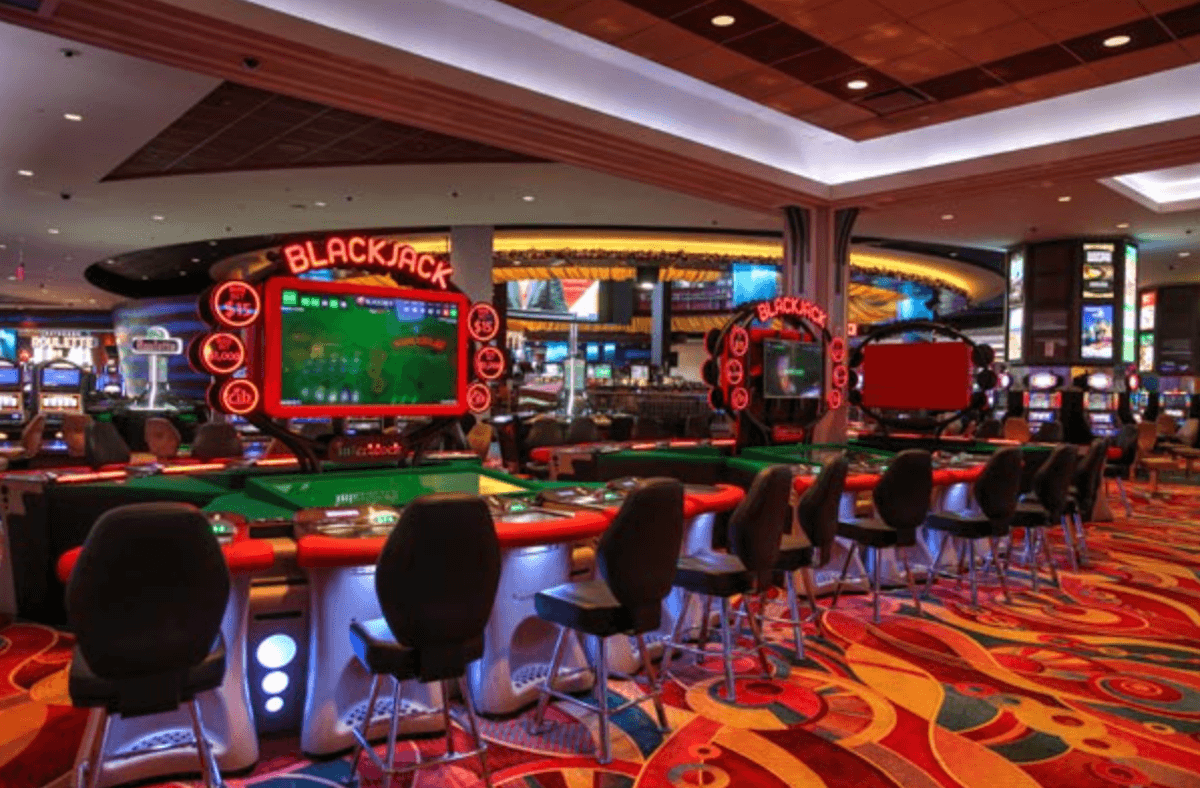
The press releases are calling it "Vegas on the Hudson." They are lying to you.
The arrival of a full-scale casino license in New York City isn’t a milestone for urban entertainment or a bold leap into luxury tourism. It is a desperate, mathematical grab for tax revenue by a state government that has run out of ways to balance the books. While the glossy brochures show high-rollers sipping martinis with a skyline view, the reality of metropolitan gambling is far grimmer. Also making waves in related news: The Desert Architect and the Crude Divorce.
We aren't building a destination. We are building a giant vacuum cleaner designed to suck the disposable income out of the outer boroughs.
The Vegas Fallacy
The fundamental mistake every "industry expert" makes is comparing New York City to Las Vegas. Las Vegas is an export economy. People fly in, drop money they earned elsewhere, and leave. The house wins, the state of Nevada takes a cut, and the local economy grows because of outside capital. Additional insights into this topic are detailed by Harvard Business Review.
New York City is an internal circuit.
When you put a casino in Queens, the Bronx, or Manhattan, you aren't attracting "whales" from Macau. You are competing for the $200 that a local family would have spent at a neighborhood restaurant, a Broadway show, or a local retail shop. This is cannibalization, not growth.
I’ve spent fifteen years analyzing gaming floor yields. Here is the secret the operators won't tell the City Council: A "commuter casino" relies on high-frequency, low-spend players. These aren't tourists. These are people stopping by on their way home from work to "invest" their paycheck into a machine programmed by a team of mathematicians to ensure they lose.
The Myth of the Job Engine
The "thousands of jobs" promised by developers are the ultimate red herring.
Yes, a casino requires staff. But these are rarely the high-paying, career-track positions promised during the lobbying phase. The vast majority of casino employment consists of service-sector roles—valet, housekeeping, and low-level floor security—that offer little upward mobility.
Furthermore, the "multiplier effect" cited by proponents is a ghost. In a true destination resort, guests explore the surrounding area. In a metropolitan casino, the architecture is intentionally designed to be a "black box." The goal is to keep the player inside for as many minutes as possible. There are no windows. There are no clocks. There is no reason to go to the deli across the street.
The casino doesn't support the neighborhood; it leeches from it. Look at Atlantic City. If casinos were the economic engines they claim to be, the blocks surrounding the boardwalk would be paved in gold. Instead, they remain some of the most distressed real estate in the Northeast.
The Revenue Trap
New York State loves the idea of gambling tax. It’s "painless" revenue because it isn't a direct hike on income tax. But gambling taxes are the most regressive form of taxation in existence.
Data from the National Center for Responsible Gaming and various independent audits show that lower-income individuals spend a significantly higher percentage of their earnings on lottery and slot play than the wealthy. By licensing a casino in the heart of the city, the state is effectively outsourcing its tax collection to slot machine manufacturers.
If we wanted to be honest, we’d call the new casino the "Voluntary Poor Tax Center."
The Infrastructure Nightmare
Let’s talk about the logistics that the glossy renderings conveniently blur out. Adding a massive gaming floor to an already congested NYC neighborhood is a recipe for gridlock.
Vegas was built for cars. New York was built for people who are already late for something.
A casino operates 24/7. It requires a constant stream of delivery trucks, employee shuttles, and thousands of Ubers. The "public transit" solutions offered by developers are usually laughable—promises of "enhanced bus routes" that do nothing to alleviate the fact that the local subway line is already at 110% capacity during peak hours.
The Digital Elephant in the Room
The most baffling part of the NYC casino rush is that it’s happening ten years too late.
Physical casinos are the "brick and mortar retail" of the gambling world. While New York is fighting over where to pour concrete, the real money is moving to mobile sports betting and iGaming.
Why would a sophisticated gambler deal with the Midtown Tunnel or the Van Wyck Expressway to sit at a $50-minimum blackjack table when they can play from their couch? The answer: they won't.
This leaves the physical casino with one primary demographic: the elderly and the technologically illiterate. The "Vegas-style" experience is a facade. The business model is a high-volume slot warehouse catering to people who don't know any better.
The Cost of "Problem Gaming"
Industry lobbyists love to talk about the "Responsible Gaming" funds they contribute to. It’s a drop in the bucket compared to the social costs.
When you bring gambling to a high-density urban environment, you increase the "path of least resistance" to addiction. It is no longer a "trip" to the casino; it’s a stop on the way to the grocery store.
The increased costs for mental health services, bankruptcy filings, and domestic disputes are never factored into the "economic impact" studies presented to the governor. The state gets its 25% to 50% cut of the GGR (Gross Gaming Revenue), but the city's social services department picks up the tab for the fallout.
The Counter-Intuitive Truth
If New York actually wanted to boost its economy, it would stop chasing the 1990s dream of casino-led urban renewal.
True economic power in 2026 comes from high-value intellectual property, tech hubs, and specialized manufacturing. A casino is a stagnant asset. It produces nothing. It creates no products for export. It simply reshuffles existing money while taking a massive vig for the house and the state.
We are traded a vibrant, diverse neighborhood for a windowless box of flashing lights and expensive cocktails.
Stop calling it a "win" for the city. It’s a surrender. It’s an admission that our leaders have no better ideas for growth than hoping their constituents lose their rent money on a "Buffalo" slot machine.
Don't believe the hype of the grand opening. The lights will be bright, the celebrities will be on the red carpet, and the first few months of revenue will look spectacular. But when the novelty wears off, we’ll be left with the same old New York problems, just with a lot more people wondering where their paycheck went.
The house always wins, but in this case, the "house" is a desperate state government and a handful of billionaire developers, and the "player" is the very city they claim to be saving.
If you want the Vegas experience, buy a plane ticket. If you want a functional city, stop building cathedrals to lost causes.


