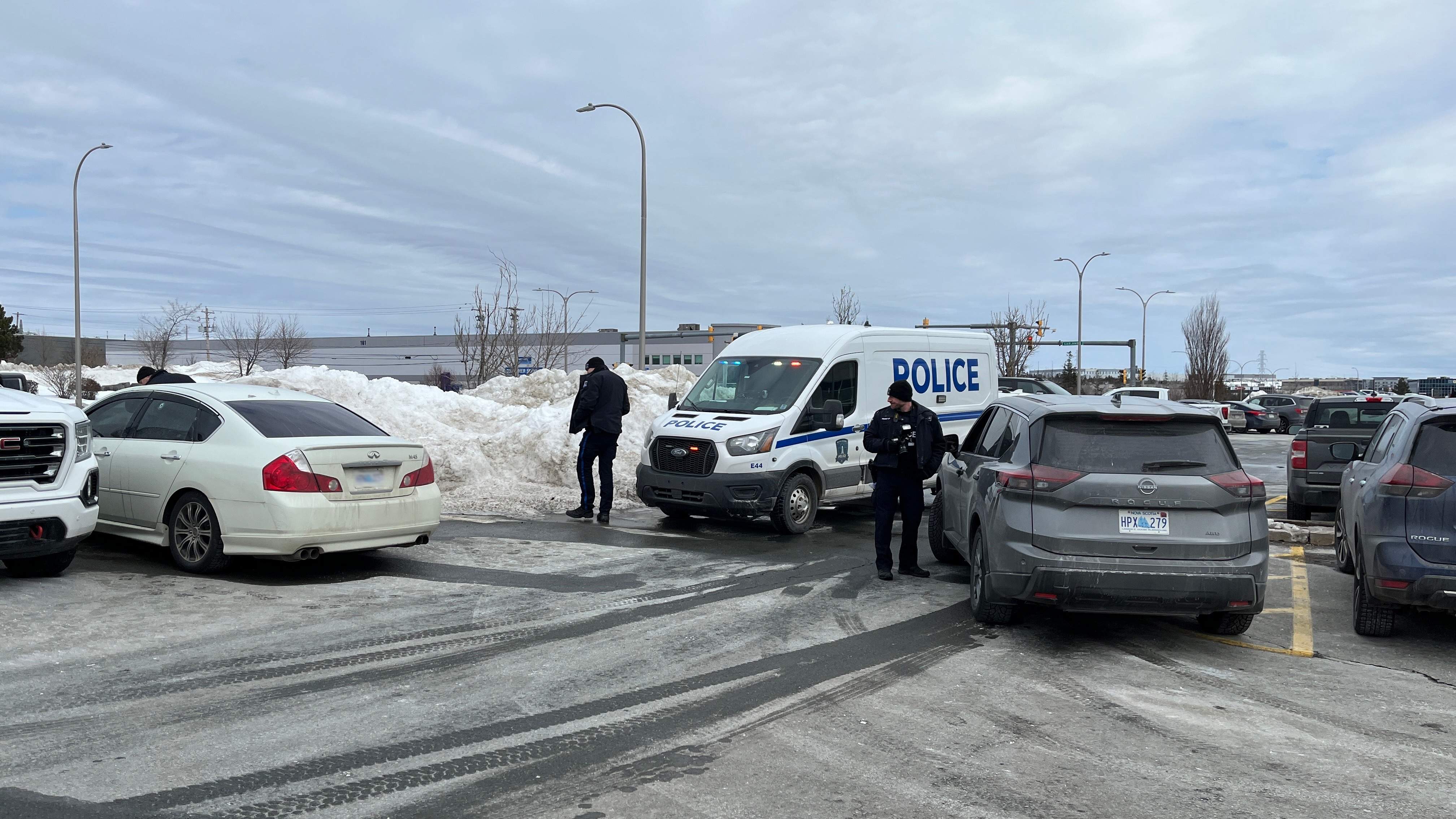
The standard narrative regarding the Dartmouth shooting is a masterpiece of bureaucratic misdirection. Five men, including the person who actually took a bullet, are being hauled into court on obstruction charges. The headlines want you to focus on the "criminal element" refusing to cooperate. They want you to believe that if these men just spoke up, the streets would be safer and the case would be closed.
That is a fairy tale.
In my years analyzing the intersection of street-level enforcement and judicial outcomes, I have seen this play book a thousand times. When the police cannot find a gun, cannot identify a shooter, or cannot build a forensic bridge to a conviction, they pivot. They stop investigating the violent crime and start prosecuting the silence.
The Silence Isn't the Problem—It's the Symptom
Mainstream media loves the "code of silence" trope. It’s easy. It’s lazy. It suggests that the primary barrier to justice is a cultural defect among victims and witnesses.
The reality is far more clinical. Silence in the face of a shooting is a rational risk-assessment calculation.
When a victim like the one in Dartmouth refuses to provide a statement that leads to a conviction, they aren't necessarily protecting the shooter. They are protecting their own life. The state offers a one-time "protection" during a trial, but it cannot offer a lifetime of security in the neighborhoods where these men actually live.
Charging a victim with obstruction is the ultimate admission of failure. It is the legal equivalent of a temper tantrum. If you can’t catch the wolf, you punish the sheep for not barking loud enough.
The Myth of the "Clean" Investigation
The competitor’s view of this case assumes that "obstruction" is a binary state: you either help or you hinder. This ignores the nuanced reality of how evidence is gathered.
Consider the mechanics of a modern crime scene. You have shell casings, CCTV footage, cell tower pings, and DNA. In 2026, the idea that a verbal statement from a traumatized, bleeding victim is the "key" to a case is archaic.
If the authorities have to rely on the testimony of a victim who is clearly terrified of retaliation, they don’t have a case—they have a hostage.
By charging these five men with obstruction, the state is effectively saying: "We lack the technical and investigative prowess to solve this without you doing our job for us." It is a shift from proactive policing to coercive litigation.
The Hidden Cost of Coercive Charges
Let's talk about the math of the justice system. Every hour spent prosecuting a victim for "not talking" is an hour not spent tracking the ballistic signature of the weapon used in the Dartmouth shooting.
- Resource Drain: Prosecutors are filing motions, scheduling hearings, and burning taxpayer dollars to punish five men for a procedural lapse.
- Trust Erosion: You cannot "foster" (to use a word the suits love) community relations by putting handcuffs on a man who was just shot.
- The Incentive Gap: These charges do not make people more likely to talk in the next shooting. They make people more likely to run away before the ambulance arrives.
I’ve watched departments burn through millions in "outreach" only to torch that progress in a single afternoon by charging a victim. It’s a net loss for public safety.
The Professionalism of Failure
The "insider" truth that nobody wants to admit is that obstruction charges are a statistical padding mechanism.
When the year-end reports come out, the department won't have to list the Dartmouth shooting as an "unsolved" or "cold" case. They can point to five arrests. The public sees the number "5" and assumes progress. They don't realize that none of those five people pulled the trigger.
It is a shell game. It is a way to maintain the appearance of control while the actual perpetrator remains at large.
The Solution No One Wants to Hear
If the goal is actually to reduce violence in Dartmouth, the strategy must shift away from the victim's mouth and toward the offender's hand.
- Stop Relying on Witness Statements: If your case hinges on a guy who was just shot in the chest, your case is garbage. Invest in high-density, high-resolution surveillance and rapid-response forensics.
- Acknowledge the Risk: Stop acting like talking to the police has zero consequences for the witness. Until the state can guarantee a witness won't be executed on their doorstep a week after testifying, "obstruction" is a survival strategy.
- Drop the Ego: Prosecutors need to stop taking silence personally. It’s not an insult to the badge; it’s a reflection of the reality on the street.
The Dartmouth case isn't a story about five uncooperative men. It’s a story about a system that has run out of ideas and has resorted to cannibalizing its own victims to stay relevant.
Stop asking why they won't talk. Start asking why you still need them to.