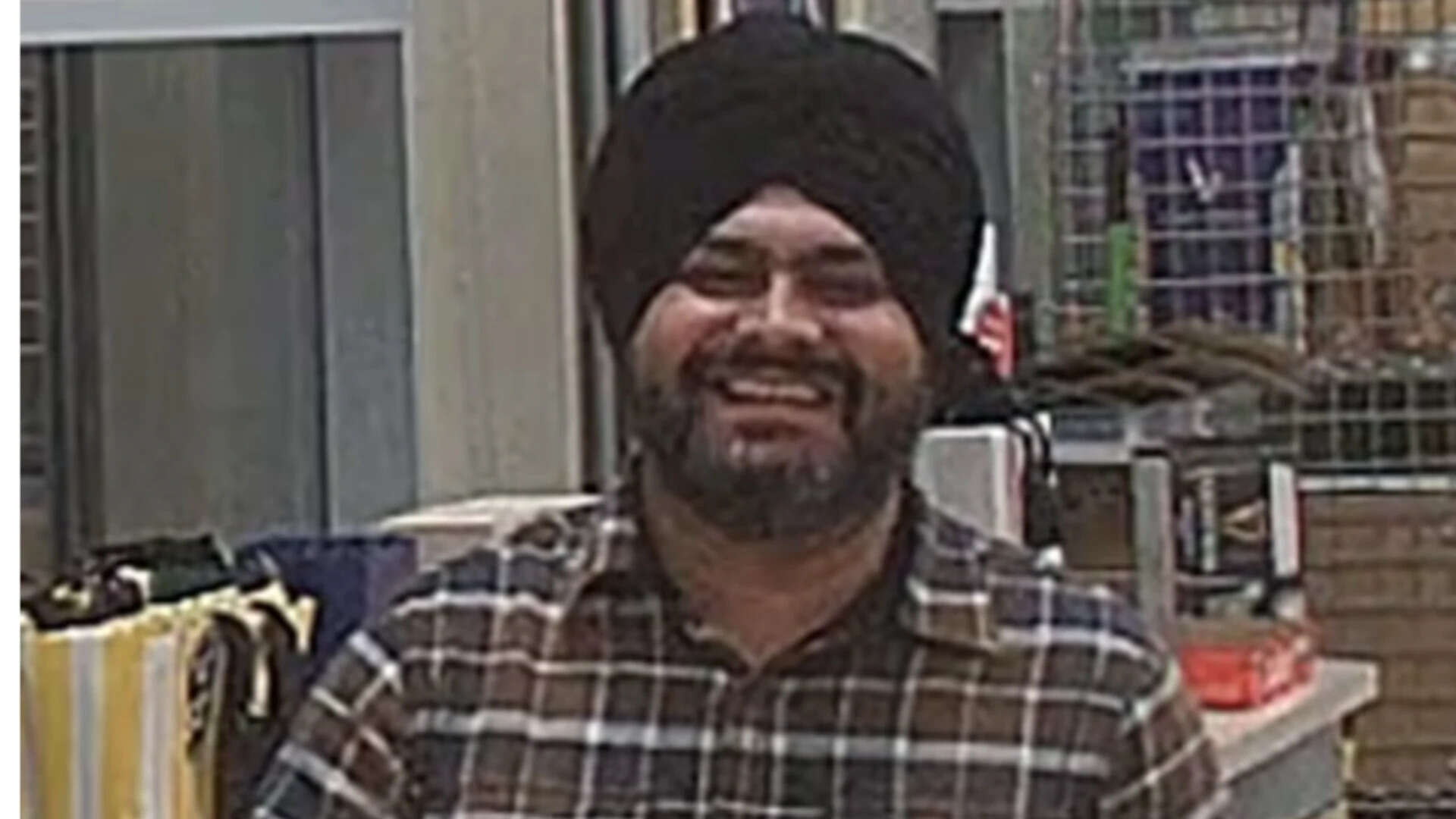
Ottawa police are currently tracking a man following a serious sexual assault, and the details they’ve released are specific enough that someone in the community definitely knows who he is. This isn't just another headline about urban crime. It’s a call for public vigilance in a case where the suspect's description—particularly his black turban—is a key identifier. When investigators go public with this level of detail, it usually means they’ve hit a wall with traditional surveillance and need the eyes of the neighborhood to close the gap.
The incident occurred recently in the city's west end, an area that usually feels tucked away from this kind of violence. According to the Ottawa Police Service (OPS), the suspect is described as an East Indian man, roughly 30 years old, standing about 5 feet 10 inches tall with a medium build. The most distinct feature reported by the victim was a black turban. He was also seen wearing a black jacket and dark pants.
We see these alerts often, but the window for catching someone based on a clothing description is incredibly short. People change clothes. They shave. They move. If you were in the area of Carling Avenue or the surrounding residential pockets around the time of the report, your dashcam footage or doorbell camera might hold the one frame the police are missing.
Tracking the Suspect and the Importance of Timing
In sexual assault investigations, the first 48 hours are everything. Forensic evidence is perishable, and memories fade faster than we'd like to admit. The OPS Sexual Assault and Child Abuse (SACA) unit is handling this, which tells you they're treats this with the highest level of priority. They aren't just looking for a guy in a turban; they're looking for movement patterns.
Did a man matching this description get into a specific vehicle? Did he duck into a local business to avoid patrol cars? These are the questions investigators are asking right now.
Public safety isn't a passive thing. It requires a collective gut instinct. If you saw someone matching this description acting nervous or out of place, that’s not "profiling"—that’s providing a lead. The police have been clear that they believe the public holds the key to identifying this individual before he has the chance to vanish or, worse, find another victim.
Why Specific Physical Descriptors Are Used
There’s often a hesitation in modern media to lead with ethnic or religious identifiers. However, in active criminal searches, being vague helps nobody. By specifying that the suspect was wearing a black turban, the Ottawa police are giving the public a concrete visual to look for. This isn't about the community he belongs to; it's about the specific individual who committed a crime.
Local advocates often point out that being as specific as possible actually protects the broader community. It narrows the focus. Instead of looking at every man of a certain height, the search is narrowed to a specific look. It prevents unnecessary stops of people who don't fit the profile.
If you live in Ottawa, especially in the western corridor, you should be checking your security feeds from the night in question. Don't assume the police already have what they need. Most high-resolution footage comes from private residents, not city-owned cameras.
What to Do If You Have Information
If you think you’ve seen this man or have information about his whereabouts, do not approach him. It sounds like a movie cliché, but it’s the truth: you don't know his state of mind or if he’s armed.
- Call the Ottawa Police Service Sexual Assault and Child Abuse Unit at 613-236-1222, ext. 5944.
- If you want to stay anonymous (and many people do), contact Crime Stoppers at 1-800-222-8477.
- Use the tip submission tools on the OPS website.
Anonymous tips are often the backbone of these cases. You don't have to get involved in a court case just to point the police in the right direction.
The Reality of Victim Support in Ottawa
While the hunt for the suspect continues, we can't forget the survivor at the center of this. Ottawa has several resources that go beyond just the police report. Organizations like the Sexual Assault Support Centre (SASC) of Ottawa provide the kind of long-term care that the legal system isn't built for.
It’s a brutal reality that many of these cases go cold because people are afraid to "snitch" or they think their observation is too small to matter. It isn't. That three-second clip of a man walking toward a bus stop could be the link that maps his escape route.
Check your cameras. Talk to your neighbors. If you saw a man about 30 years old, 5’10”, wearing a black turban and a dark jacket in the west end recently, pick up the phone. Your "small" detail is exactly what the SACA unit is waiting for to make an arrest.