The masks are off, and the gloves have been tossed aside in a way we haven't seen in decades. On Monday night, the sky over Kabul lit up not with fireworks, but with Pakistani ordnance. The Taliban claims a drug rehabilitation hospital—a 2,000-bed facility known as the Omid Addiction Treatment Hospital—was the primary target, leaving 400 people dead. Pakistan’s Ministry of Information fired back almost immediately, calling the hospital claim "false and misleading" and insisting they only hit "military installations" and "terrorist support infrastructure."
Whatever the target was, the reality is clear. This isn't just a border scuffle anymore. It's a full-blown crisis between two neighbors who used to be thick as thieves—or at least, one was the patron and the other the proxy. Now, they're in an "open war" that threatens to set the entire region on fire.
The Hospital Strike and the Crime Against Humanity Charge
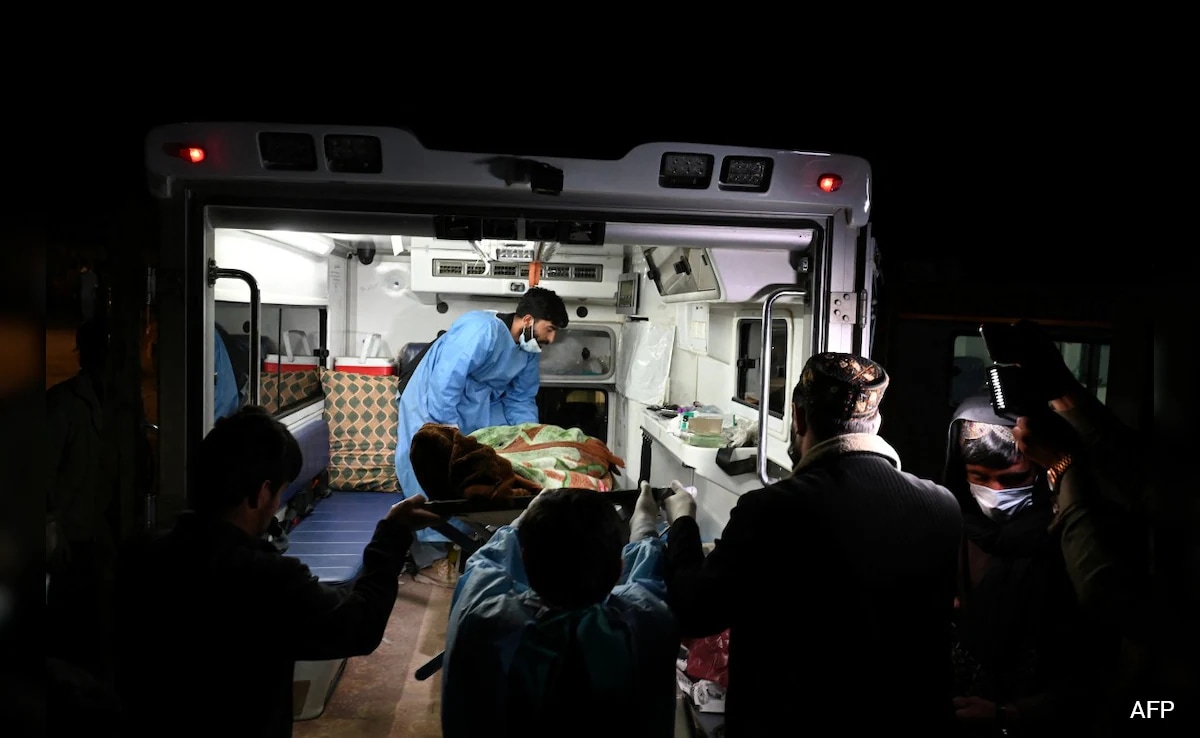
Zabihullah Mujahid, the Taliban’s chief spokesperson, didn't mince words. He called the strike on the Kabul hospital a "crime against humanity." According to the Taliban administration, the attack happened around 9:00 PM local time, leveling large sections of the complex and leaving rescue workers to dig through charred rubble for survivors.
If the 400-person death toll is even remotely accurate, this is the deadliest single event in the escalating conflict. Think about that for a second. We're talking about a facility meant to treat one of Afghanistan's biggest social ills—drug addiction—suddenly becoming a graveyard.
Pakistan’s side of the story is predictably different. Islamabad says the sites were being used by the Tehreek-e-Taliban Pakistan (TTP), a militant group that has been a thorn in Pakistan’s side for years. They claim they hit ammunition dumps and technical equipment. This is the classic "he-said, she-said" of modern warfare, but with a nuclear-armed state on one side and a battle-hardened insurgent government on the other, the stakes couldn't be higher.
Why the Old Alliance Died
For years, the Pakistani intelligence agency, the ISI, viewed the Taliban as "strategic depth." The idea was simple: if you control the guys in Kabul, you don't have to worry about your western border while you keep your eyes on India. But when the Taliban took back Kabul in 2021, the dynamic flipped.
The students became the masters. The Afghan Taliban, once the junior partner, suddenly had a country to run and no interest in taking orders from Islamabad. Even worse for Pakistan, the TTP—their own home-grown insurgency—found safe haven under the new Afghan regime. Pakistan has basically run out of patience. They feel betrayed by the very movement they helped nurture for thirty years.
- TTP Surge: Attacks in Pakistan’s Khyber Pakhtunkhwa province have shot up since 2021.
- The Durand Line: The Taliban doesn't recognize the border drawn by the British in 1893, leading to constant friction over fencing and outposts.
- Proxy Wars: Pakistan is now reportedly eyeing anti-Taliban resistance groups, like the National Resistance Front (NRF), as "payback."
The Red Line and the Open War Declaration
Things shifted from "tense" to "catastrophic" in late February 2026. After a series of cross-border skirmishes and suicide bombings, Pakistani President Asif Ali Zardari declared that a "red line" had been crossed. On February 27, Pakistan officially announced it was in an "open war" with the Taliban.
Since then, we’ve seen a relentless cycle of retaliation. Pakistan strikes Khost and Paktika; the Taliban responds with heavy artillery on Pakistani border posts. Pakistan bombs Kabul and Kandahar; the Taliban moves more fighters to the Durand Line. It’s a rhythmic, deadly escalation that neither side seems willing to stop.
Honestly, the timing is a disaster. The UN Security Council just passed a resolution calling for the Taliban to step up their counter-terrorism efforts. Pakistan used that as a green light. They feel they have the international community's silent blessing to take out TTP hideouts, even if it means hitting the heart of Kabul.
What This Means for the Rest of Us
You might think this is just a local spat, but it’s not. There are two major reasons why you should be worried about this "open war."
First, there’s the refugee crisis. Pakistan has already started a second phase of forced repatriation, kicking out hundreds of thousands of Afghan refugees. This puts an impossible strain on Afghanistan’s failing economy and creates a massive humanitarian vacuum.
Second, there’s the "vacuum effect." When two major powers in a region fight, groups like ISIS-K (Islamic State-Khorasan) and Al-Qaeda thrive. They love the chaos. If Pakistan and the Taliban are too busy killing each other, nobody is watching the real terrorists who have global ambitions.
The Next Steps for Regional Stability
Don't expect a ceasefire tomorrow. Both sides are currently dug in. However, if you're looking for signs of what comes next, keep an eye on these specific movements:
- Qatar’s Intervention: Qatar has brokered peace here before. Look for their diplomats to start flying between Islamabad and Kabul to see if they can find a middle ground before the death toll hits the thousands.
- China’s Influence: China has huge investments in Pakistan and wants a stable Afghanistan for its Belt and Road Initiative. They hate instability. If anyone can force these two to sit down, it’s Beijing.
- Border Management: Watch the Torkham and Chaman border crossings. If they stay closed, it means a long-term siege. If they open, there’s a sliver of hope for diplomacy.
The "slaughterhouse of dreams" in Kabul—as some are calling the hospital strike—might be the point of no return. Or it might be the shock the world needs to finally pay attention to a war that’s been brewing for years. If you want to understand where the global security map is breaking, look right at the Durand Line.
Keep an eye on official statements from the UNAMA (UN Assistance Mission in Afghanistan) for verified civilian casualty numbers over the next 48 hours. The gap between Pakistan's "precision" claims and the Taliban's "crime against humanity" rhetoric will tell you exactly how much further this conflict has to go.