The decision to stay was not made in a vacuum. When an Iranian footballer chooses to remain in Australia after an international fixture, it is rarely a simple career move. It is a calculated, desperate severance from a system that demands total ideological compliance in exchange for the right to play. For the athlete now lacing up her boots for a new club in a local Australian league, the "everything will be fine" mantra is more than an optimistic quote. It is a survival mechanism.
Security officials and sports analysts have long monitored the intersection of Iranian athletics and geopolitical friction. For women in the Iranian sports system, the pressure is doubled. They are not just representing a team; they are expected to be living avatars of the Islamic Republic's social mandates. When that facade cracks, the fallout is immediate.
The Invisible Shackles of the Pro League
To understand why a professional athlete would trade a national team spot for the uncertainty of a regional Australian club, you have to look at the contracts they leave behind. In Iran, the "Moral Code" is not a suggestion. It is a legal framework. Female athletes are subject to strict oversight regarding their attire, their social media presence, and their interactions with male counterparts.
The Iranian Football Federation operates under the watchful eye of state security apparatuses. Travel is a privilege, not a right. Athletes often have to post significant financial bonds or have family members act as "guarantors" to ensure they return from international tournaments. Defecting or seeking asylum doesn't just end a career. It triggers a sequence of state-sponsored retributions that can include the freezing of domestic assets and the interrogation of relatives.
Australia has become an accidental sanctuary for these players. The 2023 Women's World Cup and subsequent Olympic qualifiers in the region created a unique geographic window of opportunity. The athlete in question is not the first, nor will she be the last, to realize that the grass in the Southern Hemisphere is not just greener—it is safer.
The Mechanics of a Silent Defection
A player doesn't just walk away from a team hotel. It requires a level of tradecraft that most 20-somethings shouldn't have to possess. There are the missed check-ins, the deactivated SIM cards, and the frantic calls to legal advocates who specialize in protection visas.
The Australian sporting community has a history of absorbing these outliers, but the transition is brutal. You go from being a national hero in a country of 88 million to a "development player" in a semi-pro league where the crowds are smaller and the paychecks are thinner. The trade-off is the absence of the "morality police" standing on the sidelines.
The Bureaucratic Gauntlet
Seeking asylum through sport is a legal minefield. The Department of Home Affairs does not grant visas based on athletic talent alone. The claimant must prove a "well-founded fear of persecution." For an Iranian woman, this evidence often includes:
- Documented threats from sports officials.
- Evidence of participation in "subversive" activities (often as simple as showing hair in a photo).
- Records of past disciplinary actions by the federation.
The "everything will be fine" sentiment expressed by the player hides the reality of the Bridging Visa. These documents allow a person to stay in Australia while their claim is processed, but they often come with restrictions on work or travel. The new club acts as a lifeline, providing a social structure and a modest income while the wheels of the legal system grind slowly in the background.
The Myth of the Apolitical Athlete
Critics often argue that sports and politics should remain separate. This is a luxury of the West. In Tehran, sport is politics. The success of the female national team was leveraged by the government to signal a false sense of progress to the international community. By staying behind, the athlete effectively dismantles that propaganda.
This is why the Iranian federation reacts with such vitriol to these departures. It isn't about losing a defender or a striker. It is about the loss of control. Every player who successfully integrates into a foreign league without the state's permission serves as a blueprint for the next one.
The "everything will be fine" narrative is also a shield for the family left behind. By projecting a sense of normalcy and calm, the athlete attempts to de-escalate the situation for her parents and siblings who remain within reach of the regime. It is a performance of safety meant for an audience in Iran as much as for the fans in Australia.
The Competitive Reality of the Australian Leagues
Moving from the structured, state-funded environment of an Iranian elite program to an Australian club is a massive culture shock. Australian football is physical, fast, and highly decentralized.
Training sessions are different. In Iran, the focus is often on rigid tactical discipline. In Australia, there is a greater emphasis on individual agency and creative play. The athlete is currently unlearning years of restrictive coaching. She is learning to play with a freedom that matches her new legal status.
But the "fine" future isn't guaranteed. The A-League and its lower tiers are competitive. Clubs are businesses. While they may offer a support system initially, the player must perform. If the goals don't come or the defense crumbles, the sentimental value of her story will not keep her on the roster. She is fighting for her life and her career simultaneously.
The Geopolitical Ripple Effect
Australia’s role as a haven for Iranian athletes puts the government in a delicate position. Diplomatic relations are already strained by issues ranging from regional security to the detention of dual nationals. Each defection adds a layer of complexity to the bilateral dialogue.
However, the Australian public and the football community have historically sided with the individuals. The "Fair Go" isn't just a cliché; it’s a cultural expectation that extends to the pitch. When a player chooses the A-League over the Iranian Pro League, they are making a profound statement about the value of the Australian sporting model.
The real test comes when the media spotlight fades. Right now, the story is fresh. The "everything will be fine" quote makes for a comforting headline. The true investigative work will be needed six months from now, when the visa interviews get tougher and the initial "welcome home" energy from the club begins to normalize.
Beyond the Headlines
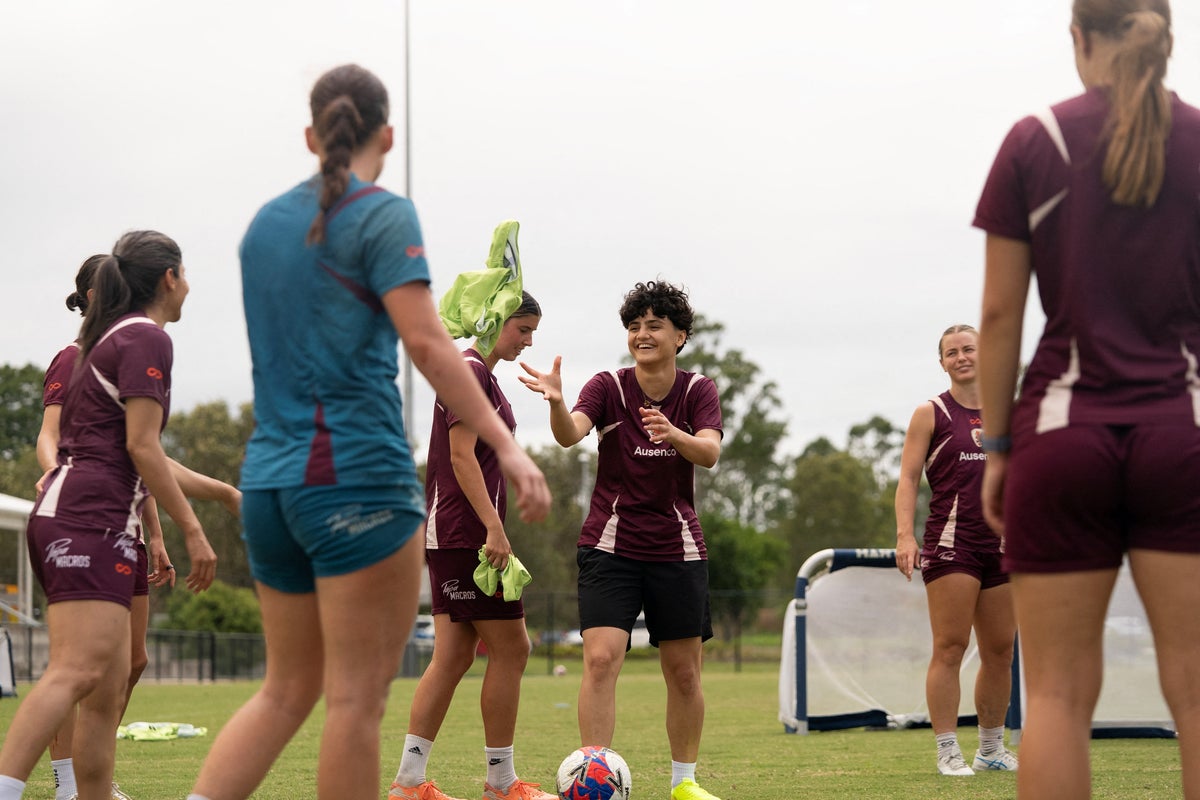
We see a young woman smiling at a training session. We don't see the encrypted messages sent at 3:00 AM to check on a sister in Isfahan. We don't see the folders of legal documents that dictate whether she can stay or must be deported.
The Iranian sports system is designed to break the will of those who think for themselves. By standing her ground on Australian soil, this footballer has already won the most important match of her life. The score on the scoreboard is secondary. The victory is the right to exist without a government monitor in the locker room.
If you want to support athletes in this position, look past the feel-good quotes. Understand the legal barriers they face and the immense pressure placed on their families abroad. The transition from a state-controlled asset to an independent professional is a journey fraught with invisible dangers.
Watch the next match. Note the way she moves without looking over her shoulder. That is what freedom looks like in 90 minutes.