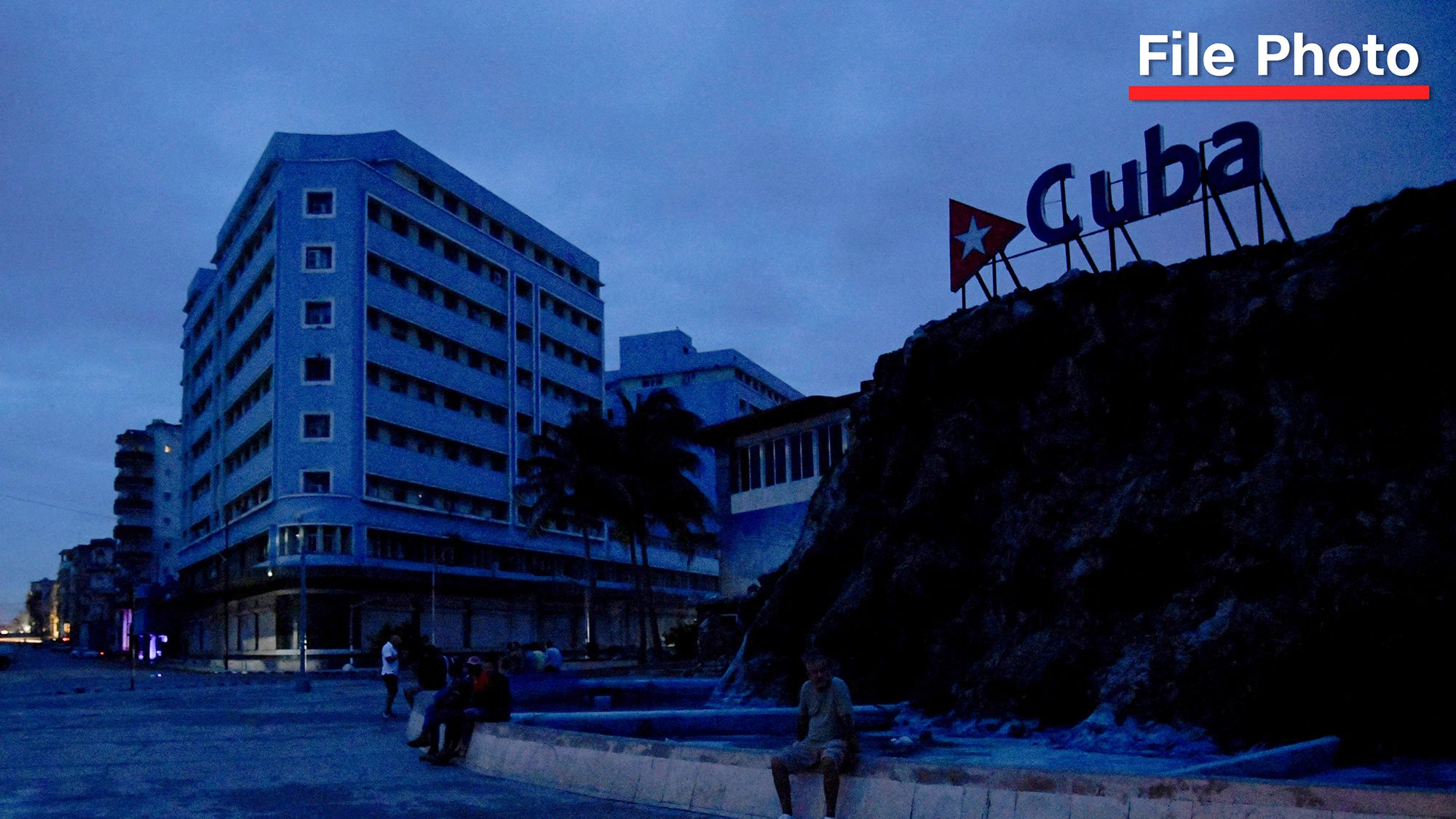
The lights are going out in Havana and it isn't just a bad power grid. On Friday, the White House dropped a hammer that makes previous restrictions look like a suggestion. President Trump signed an executive order that effectively treats the Cuban government as a global pariah, targeting any person or company—American or foreign—that keeps the island's key industries alive.
If you’re wondering why this matters now, it’s about more than just the usual Cold War leftovers. The administration is framing this as a direct hit on a "permissive environment" for adversaries like Iran and Hezbollah. By broadening the scope of who can be sanctioned, the U.S. is essentially telling the world’s banks and shipping companies to choose between doing business with Cuba or keeping their access to the U.S. dollar.
The End of the Backdoor Economy
For years, the Cuban government survived by using a web of affiliates and third-party companies to move money. That window is slamming shut. The new executive order targets the four pillars of the Cuban economy: energy, defense, mining, and financial services.
It’s a "secondary sanctions" model, similar to what we've seen used against Iran. If a bank in Spain or a mining firm in Canada helps a sanctioned Cuban entity, they lose their own U.S. assets. Their Wall Street accounts get frozen. Their executives get banned from entering the States. It's a scorched-earth policy designed to starve the regime of foreign currency.
Why Cuba Is Next on the List
The timing isn't accidental. This comes right on the heels of the U.S. intervention in Venezuela and the ousting of Nicolás Maduro. With Venezuela no longer acting as Cuba’s gas station, the island is desperate. Trump’s message has been blunt: "Cuba is next."
The administration’s logic is that the Cuban regime is a "malign influence" that facilitates military and intelligence operations for Russia and China. They aren't just talking about human rights anymore—though that’s a huge part of the rhetoric. They’re talking about national security threats less than 100 miles from Florida.
The Oil Blockade Is Already Hitting Hard
You’ve probably seen the headlines about "Operation Southern Spear." The U.S. has been blocking oil tankers bound for Cuba since February. They even threatened Mexico's state-owned Pemex with massive tariffs if they didn't stop shipments.
It worked. Mexico halted deliveries in January, calling it a "sovereign decision." Without that oil, the island is paralyzed. Farmers are back to using oxen and horses because there’s no diesel for tractors. Hospitals are struggling to keep incubators and ventilators running during constant blackouts.
What This Means for Global Business
If you’re an investor or a business owner with any ties to the Caribbean, you need to pay attention to the details of this order.
- Asset Freezes: Any entity found "operating in" the designated sectors will have their U.S. assets blocked immediately.
- Banking Red Lines: Foreign banks facilitating these transactions face a total ban on operating in dollars.
- Visa Bans: It’s not just the companies; it’s the people. Executives and their families are now on the "no-entry" list.
The administration isn't giving people a heads-up because they don't want assets moved before the freeze hits. It’s "effective immediately" for a reason.
The Humanitarian Fallout Nobody Talks About
While the political goal is regime change, the reality on the ground is getting dark—literally. Infant mortality rates on the island have reportedly spiked as the health infrastructure crumbles. The U.S. argues that the regime is responsible for this by prioritizing its security apparatus over its people, but the sanctions are clearly the catalyst.
We're seeing a mass exodus. Over 850,000 migrants have arrived in the U.S. since 2022, and these new measures will likely push those numbers higher. It’s a high-stakes gamble: the U.S. is betting that if they make things miserable enough for the government, the system will finally snap.
Stop Thinking This Is Just Another Policy Update
This isn't just "more of the same." It’s an effective blockade. By targeting the shipping and the financing, the U.S. has created a "siege" environment. Even if a country wants to sell food to Cuba, they can't find a ship willing to take the risk or a bank willing to process the payment.
The pressure is also hitting Cuba’s "medical missions." Countries like Guatemala, Honduras, and several Caribbean nations are ending their contracts with Cuban doctors under U.S. pressure. This hits the regime where it hurts most: their primary source of foreign revenue.
If you have business interests in the region, your first move is to audit every single affiliate. The "10 percent rule" is still in effect—any product with more than 10% U.S. content is barred from export to Cuba. Check your supply chains and your banking partners now. The window for "accidental" compliance is gone.