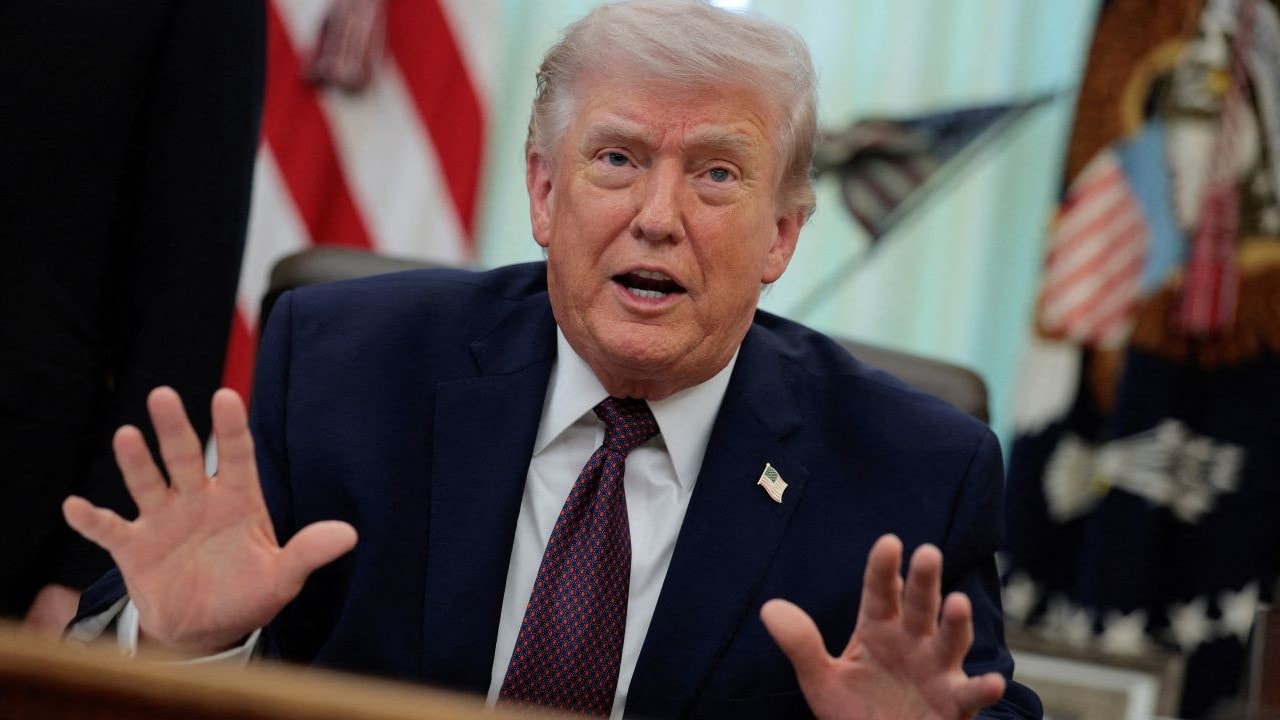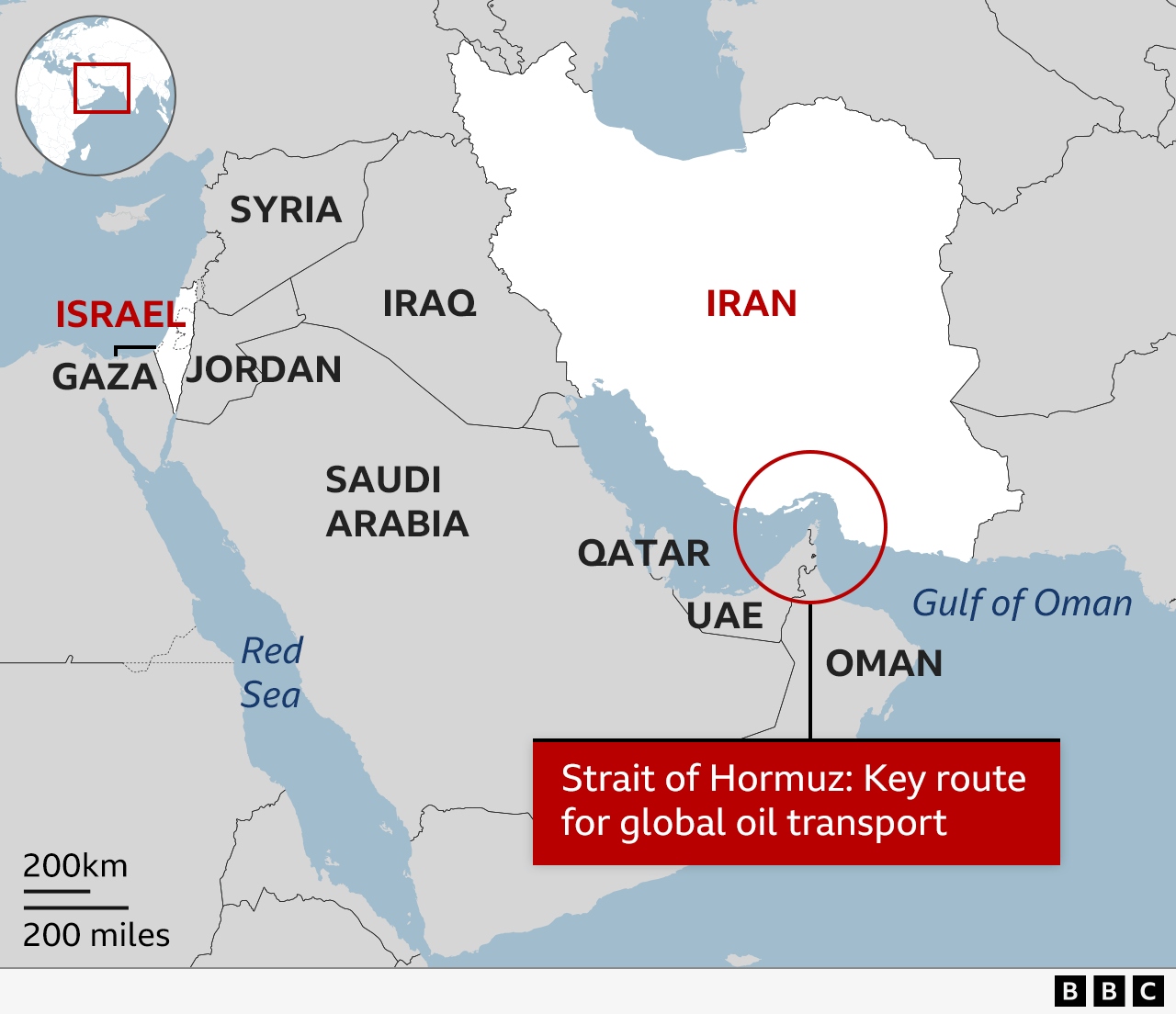
Donald Trump’s sudden pivot to pause Project Freedom—the military operation designed to forcibly clear the Strait of Hormuz—isn’t the victory lap the White House is selling. While the administration claims "great progress" in Pakistan-mediated talks has made the naval escort mission unnecessary, the reality on the water is more complicated. The President is betting that a temporary de-escalation will prevent oil prices from permanently settling above $130 a barrel, even as the core issues that led to the assassination of Ali Khamenei and the subsequent February airstrikes remain entirely unresolved.
The move follows a tense 48-hour window where the U.S. Navy attempted to guide hundreds of trapped merchant vessels through Omani waters, a maneuver Tehran labeled a "ceasefire violation." By freezing the operation now, Trump is essentially trading a immediate tactical confrontation for a fragile diplomatic window. Expanding on this theme, you can also read: Why Russia is telling foreign diplomats to get out of Kyiv right now.
The Oil Trap and the $150 Threat
The primary driver behind this pause isn't a sudden burst of Iranian goodwill; it is the brutal mathematics of the global energy market. Since the conflict began on February 28, 2026, the Strait of Hormuz has functioned as a garrote on the global economy. Brent crude has toyed with record highs, and while Trump insists the U.S. has "won," the shipping insurance industry disagrees.
Insurance premiums for transiting the Gulf have surged four to six times their pre-war levels. Even with U.S. warships in the area, most commercial operators refuse to move without a formal Iranian guarantee of safe passage. Trump’s pause on Project Freedom is an acknowledgment that military force alone cannot "open" a waterway that is effectively governed by the threat of sea mines and shore-based missile batteries. Experts at Associated Press have shared their thoughts on this matter.
The U.S. is still maintaining its own counter-blockade on Iranian ports, creating a "dual blockade" scenario. This leaves 850 ships and nearly 20,000 sailors in a state of maritime limbo. By halting the military push, the administration hopes to lower the temperature enough for Pakistan to finalize a deal that would see Iran remove its mines in exchange for a relaxation of the U.S. naval ring around Iranian terminals.
The Succession Gamble in Tehran
Following the death of Ali Khamenei, the transition to his son, Mojtaba Khamenei, has not resulted in the immediate regime collapse some in Washington predicted. Instead, the new leadership has used the Hormuz "lever" with clinical precision. Tehran isn't just blocking traffic; they are charging tolls of over $1 million per ship for "safe passage" to non-hostile nations like China and Pakistan.
This "toll-booth" strategy has fractured the international response. While Trump called on NATO and Beijing to assist in a maritime coalition, China has largely secured its own energy interests through side deals with the new Supreme Leader. This leaves the U.S. in a weakened position, attempting to enforce a "Freedom of Navigation" protocol that its largest economic rivals are already bypassing through backchannels.
The Nuclear Stumbling Block
Despite the talk of a "complete and final agreement," the gap between the two sides remains a chasm. The U.S. is demanding:
- Total dismantlement of all uranium enrichment facilities.
- The removal of all enriched material from Iranian soil.
- A permanent ban on ballistic missile development.
Tehran’s negotiators, led by Foreign Minister Abbas Araghchi, have signaled they are only discussing an end to active hostilities and the reopening of the Strait. The nuclear issue, according to Iranian state media, is a "later stage" problem. Trump’s claim that Iran has "agreed" to give up nuclear weapons is a classic piece of presidential branding that lacks a signed memorandum of understanding.
Why the Pause is Fragile
The suspension of Project Freedom is a tactical retreat disguised as a diplomatic breakthrough. If the Pakistan-mediated talks fail—as they did in April—Trump has already warned he will go "a big step further." This likely means direct strikes on Iranian infrastructure, a move the Joint Chiefs of Staff have warned could lead to a permanent closure of the Gulf and a global depression.
The markets have responded with a cautious rally, with Brent crude dipping slightly below $100 on the news. However, this optimism is built on the assumption that Mojtaba Khamenei is willing to trade his only remaining strategic asset—the ability to choke the world's energy supply—for a return to the status quo.
The U.S. naval presence, including the USS Boxer Amphibious Ready Group moving toward the Arabian Sea, suggests the Pentagon is preparing for the "big step" rather than a long-term peace. The President has set a deadline that coincides with his upcoming summit with Xi Jinping in mid-May. He needs the Hormuz crisis resolved, or at least stabilized, before he lands in Beijing.
If the "great progress" doesn't materialize into a signed deal within the next 72 hours, the pause will end. The tankers will remain at anchor, the sailors will remain trapped, and the most dangerous waterway in the world will once again become a shooting gallery.