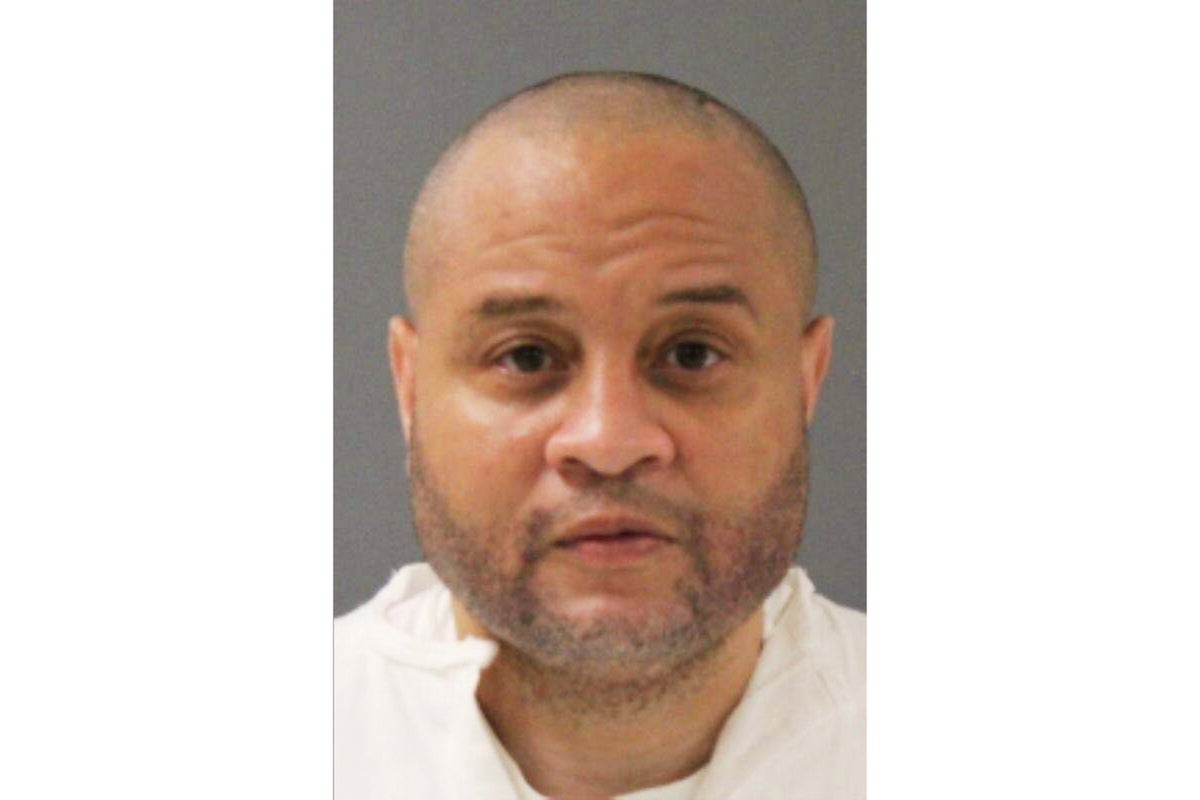
Execution days are heavy. They’re clinical, scripted, and deeply uncomfortable for everyone involved. When a person strapped to a gurney spends their last thirty seconds on earth begging for forgiveness, it creates a media firestorm. We saw it again recently with the execution of a man convicted of a brutal double murder. He didn't go out fighting or cursing the system. Instead, he apologized profusely. He sobbed. He looked at the families of his victims and tried to bridge a gap that had been widening for decades.
Does a last-minute change of heart actually matter? For some, it’s a moment of profound human redemption. For others, it’s a manipulative performance by a person with nothing left to lose. If you’re looking for a simple narrative about "closure," you won't find it here. The truth is much messier.
The Anatomy of a Final Statement
The protocol for lethal injection is remarkably rigid. Once the inmate is moved to the execution chamber and secured, the warden asks if they have any final words. This is a right protected by law in most death penalty states. It’s the one moment where the state-sanctioned process pauses to let the individual speak.
In the case of this recent double murder execution, the inmate didn't stick to a prepared script. He spoke for several minutes. He addressed the families by name. He acknowledged the specific pain of the lives he took. This wasn't a generic "sorry for what happened" kind of speech. It was a targeted, emotional plea.
Psychologists who study death row behavior often note that these statements serve different purposes. Some inmates use them to maintain innocence until the very end. Others use them to settle scores with the legal system. But the "profuse apology" is a specific category. It’s often the result of years of religious conversion or the sheer, crushing weight of imminent non-existence. When you’re staring at the ceiling of a death chamber, the ego tends to evaporate.
Why We Are Obsessed With Death Row Remorse
There’s a reason these stories lead the news. We want to believe in the possibility of change. If a "monster" can feel genuine sorrow, it reinforces our belief in human conscience. But we also have a darker fascination with the power dynamic. The killer is finally powerless, and the victims' families finally hold the moral high ground.
Public reaction is usually split right down the middle. You have the group that sees the apology as a sign that the system worked—that the person was "rehabilitated" before their death. Then you have the skeptics. They’ll tell you that an apology eighteen years too late is an insult, not a gift.
It’s worth looking at the data on how these statements affect the "co-victims"—the families left behind. Research published in journals like Death Studies suggests that for many families, the execution itself doesn't provide the "closure" promised by the media. An apology can sometimes help, but it can also feel like the killer is trying to control the narrative one last time. They’re making the moment about their feelings and their journey toward peace, rather than the lives they destroyed.
The Gap Between Forgiveness and Justice
Justice and forgiveness are not the same thing. You can have one without the other. In the legal world, justice is a transaction. A crime was committed; a life is taken by the state. It’s a cold, mathematical equation.
Forgiveness is internal. It’s a gift the victim's family chooses to give—or withhold. When an inmate apologizes profusely, they’re essentially asking for that gift. But they aren't entitled to it. During the recent execution for the double murder, some family members reportedly nodded in acknowledgment. Others looked away. Both reactions are completely valid.
There’s a common misconception that if a killer is truly sorry, the execution is somehow "sadder." That’s a trap. The legal justification for the death penalty isn't based on the inmate’s current personality. It’s based on the crime they committed years ago. Whether they’ve become a saint or remained a sinner in the interim doesn't change the legal verdict, though it certainly changes the emotional weight for the witnesses in the room.
What Happens When the Microphones Turn Off
The logistics of an execution are designed to be fast. Once the statement ends, the drugs are administered. The transition from a speaking, crying human being to a corpse happens in minutes. This speed often leaves the witnesses in a state of shock. They’ve just heard a man pour his heart out, and then, suddenly, he’s gone.
If you’re following these cases, don't look for a "feel-good" ending. There isn't one. A double murder means two lives were cut short. An execution means a third life ended. An apology doesn't bring anyone back. It doesn't repair the holes left in those families.
What it does do is provide a final data point on the human condition. It shows us that even in the most extreme circumstances, the need to be heard and the need to seek some form of reconciliation remains. It’s a raw, unfiltered look at the end of a life.
If you want to understand the impact of these events, stop looking at the killer. Look at the resources available for victims' families. Groups like Murder Victims' Families for Reconciliation or National Center for Victims of Crime offer much more insight into the long-term healing process than a thirty-second death row statement ever will. The real story isn't the apology; it's what the families do the day after the execution.
Support local victim advocacy programs or donate to organizations that provide long-term mental health care for those affected by violent crime. That’s where the actual work of "closure" happens.