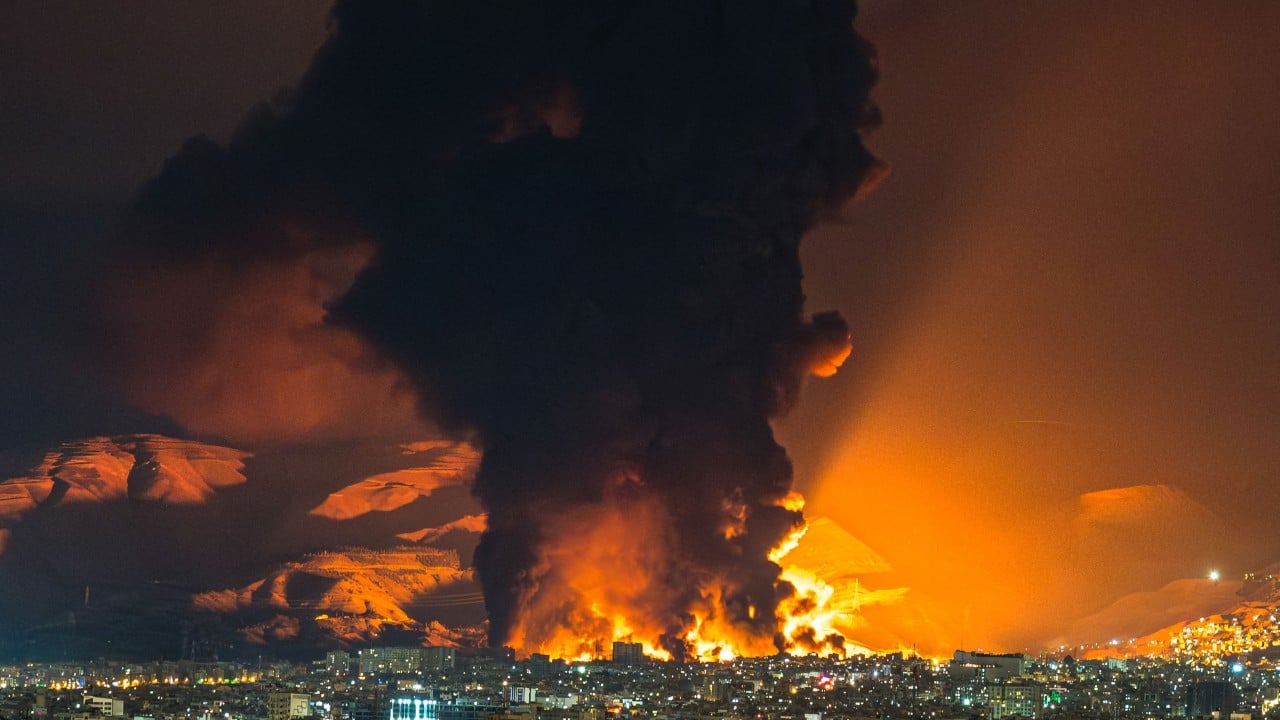
Haiti is currently a playground for the "resilience" industrial complex. Visit any major gallery in Miami or Paris, and you will find curators gushing over the "indomitable spirit" of Haitian artists. They point to sculptures made of scrap metal and human skulls, or vibrant canvases painted in the middle of a gang-war zone, and call it a "new beginning."
They are wrong. They are romanticizing a slow-motion catastrophe.
The common narrative—the one your favorite lifestyle magazine just published—is that art is a form of resistance that can rebuild a nation. It suggests that if we just give these "resistance artists" enough visibility, their creativity will somehow bridge the gap between a failed state and a functioning society. This is a comforting lie. It allows the international community to feel good about buying a $5,000 painting while the electrical grid in Port-au-Prince stays dark for twenty hours a day.
The Fetish of the Rubble
Western collectors have developed a perverse hunger for "rubble art." There is a specific aesthetic they look for: it must look charred, it must look desperate, and it must be born from "trauma." If a Haitian artist paints a serene, abstract landscape that doesn't reference a coup or an earthquake, the market ignores them.
This isn't supporting Haitian culture. It is pigeonholing it. By demanding that Haitian art always be "resistance art," the global market is actually colonizing the Haitian imagination. We are telling these creators that their only value lies in their ability to perform their suffering for our consumption.
I have seen collectors walk past technically brilliant, sophisticated oil paintings to buy a piece of jagged metal simply because the "backstory" involved a near-miss with a kidnapping. That isn't art criticism. That's disaster tourism with a frame.
The Logistics of a Creative Economy
Let’s talk about the math that the "inspiration" crowd ignores. You cannot have a sustainable art movement without three things:
- Stable Logistics: Getting a 200lb sculpture from Grand Rue to a gallery in New York requires a functioning port and insurance. Right now, insurance premiums for Haitian exports are astronomical—if you can even find a carrier willing to dock.
- Internal Markets: A healthy art scene requires a local middle class that buys art. When the professional class flees to Montreal and Florida, the artist becomes entirely dependent on the whims of foreign NGOs and "savior" collectors.
- Intellectual Property Enforcement: Without a functioning court system, Haitian designs are ripped off by fast-fashion brands and "boho-chic" home decor companies globally. The artist sees zero percent of that secondary revenue.
The "Resistance" narrative ignores these structural failures. It suggests that "spirit" is a substitute for supply chains. It isn't. You can’t eat spirit, and you certainly can’t use it to buy more acrylic paint when the borders are closed.
The Fallacy of the New Beginning
Every ten years, a new wave of journalists discovers Haitian art and declares a "Renaissance." We saw it after the 1986 fall of Duvalier. We saw it after the 2010 earthquake. We are seeing it now.
The problem with the "new beginning" trope is that it suggests the past was a blank slate. Haiti’s artistic tradition is one of the most rigorous and ancient in the Western Hemisphere. To call it a "new beginning" is an insult to the generations of masters who came before. It treats the country like a phoenix that is perpetually on fire.
The "Resistance Art" label is a trap. If you define your work by what you are resisting, you are forever tethered to your oppressor—whether that oppressor is a corrupt politician or a gang leader. True artistic freedom for Haiti would be the right to be boring. The right to paint a bowl of fruit because the light is beautiful, not because the fruit is a metaphor for the hunger of the masses.
The Professionalization of Trauma
We have created an ecosystem where Haitian artists are rewarded for their "battle scars" rather than their technique. This creates a race to the bottom. If Artist A survived a riot, but Artist B survived a riot and a hurricane, the market pivots to Artist B.
This is the "Non-Profit Industrial Complex" applied to the canvas. NGOs use these artists as mascots for fundraising. They fly them to Switzerland for a week, put them in a tuxedo, and then send them back to a studio where there is no running water.
If we actually cared about Haitian art, we wouldn't be funding "awareness workshops." We would be funding:
- Secure Art Warehousing: Creating safe zones where work can be stored and protected from humidity and theft.
- Direct-to-Consumer Digital Infrastructure: Bypassing the "savior" galleries and allowing artists to sell directly to the diaspora via Starlink-enabled platforms.
- Legal Aid for Copyright: Suing the international corporations that steal Haitian motifs.
The Counter-Intuitive Truth
The best thing that could happen to Haitian art isn't more "visibility." It is the total disappearance of the "Resistance" label.
We need to stop asking Haitian artists to be our moral conscience. We need to stop asking them to "heal" a country that has been systematically dismantled by centuries of debt and foreign interference. That is the job of politicians, engineers, and economists.
When we ask artists to "save" Haiti, we are abdicating our own responsibility. We are saying, "The situation is a mess, but look at how beautiful the tragedy is!"
Stop buying the "spirit." Start demanding the infrastructure that allows a human being to be an artist without having to be a martyr.
If you want to support a "new beginning," stop looking for the "resistance." Look for the craft. Look for the skill. Look for the artist who refuses to tell you a sad story.
Buy the art because the composition is flawless, not because the artist survived a nightmare. Anything less is just charity masquerading as culture.
Stop romanticizing the struggle. Pay the invoice.