The Cost of Pomp is Higher Than You Think
The headlines scream about "historic ties" and "strengthening the special relationship." They focus on the tailoring of King Charles’s suit and the vintage of the wine served at the White House. This is lazy journalism. It ignores the cold, hard reality of modern geopolitics. While the mainstream media swoons over the arrival of King Charles and Queen Camilla, they miss the point: the state visit is no longer a tool of diplomacy. It is a distraction from it.
I have spent years watching trade delegations and diplomatic missions stumble because they prioritized optics over outcomes. When a monarch lands in D.G., the policy work stops. The machinery of government grinds to a halt to accommodate a motorcade. We are told these visits "grease the wheels" of trade. In reality, they clog the engine with expensive, performative grit.
The Myth of the Royal Salesman
The prevailing consensus is that the British Monarchy is the UK’s greatest "soft power" asset. The logic goes like this: Charles meets the President, everyone smiles, and suddenly, a post-Brexit trade deal becomes easier to swallow.
This is a fantasy.
Modern trade deals are settled by technocrats in windowless rooms, arguing over agricultural standards and digital services taxes. They are not decided by a lobster dinner. In fact, the presence of the King can often complicate these negotiations. It raises the stakes, increases the domestic political pressure on the host nation, and forces a level of scrutiny that quiet, effective diplomacy avoids.
If you want to understand the true impact, look at the data. Previous high-profile visits have rarely correlated with a measurable spike in Foreign Direct Investment (FDI) or legislative breakthroughs. What they do provide is a temporary "bump" in tourism searches—a metric that is essentially meaningless for long-term economic strategy.
The Sovereign Wealth Distraction
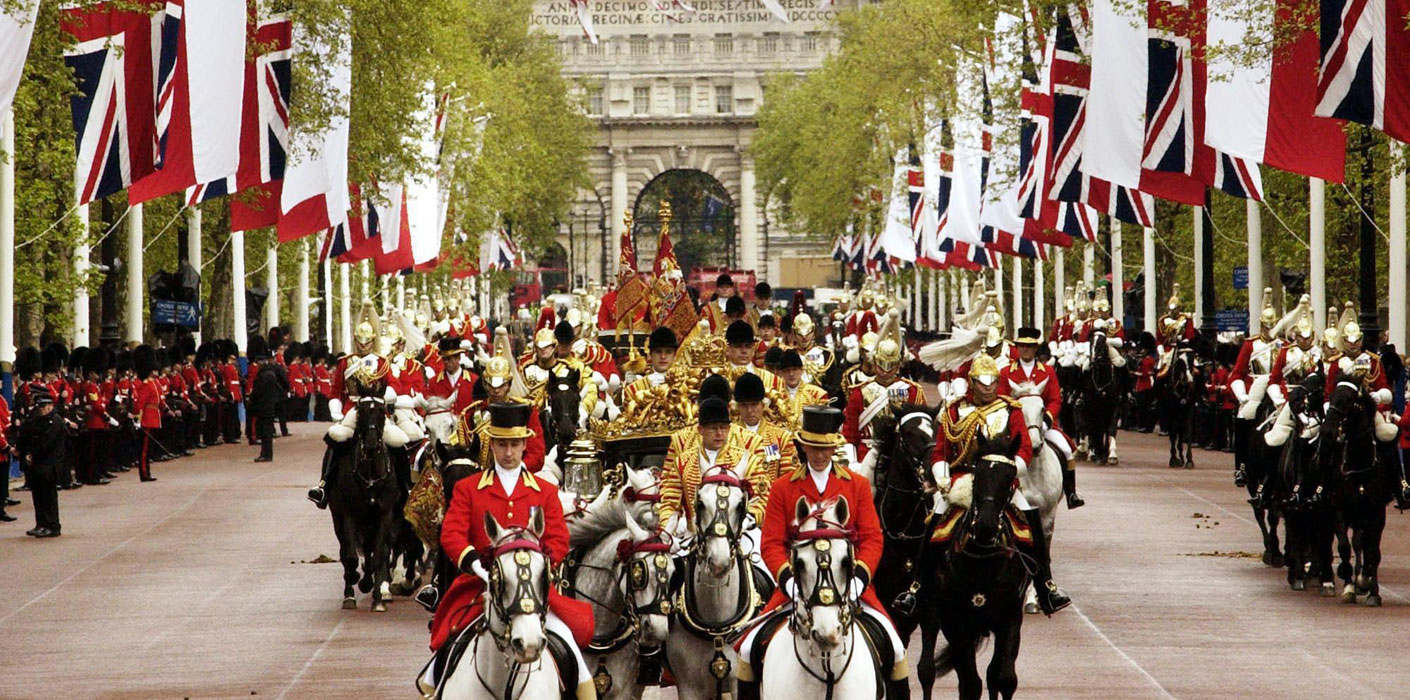
Let’s talk about the optics. In a world of tightening budgets and populist movements, the sight of gold-plated carriages and multi-million dollar security details is a liability, not an asset.
- Security Costs: The host nation bears the brunt. We are talking about tens of millions in local police overtime.
- Opportunity Cost: Every hour spent on the protocol of a state dinner is an hour not spent on the actual friction points of the Atlantic relationship, like steel tariffs or defense cooperation.
- Brand Dilution: By leaning so heavily on the 19th-century version of Britain, the UK signals that it is more interested in its history than its future as a tech and AI hub.
Imagine a scenario where the UK government sent a delegation of its top twenty fintech CEOs and renewable energy scientists instead of a 77-year-old monarch. The media coverage would be non-existent, but the economic yield would be exponential. We are trading real-world growth for a photo op that satisfies nobody but the royal biographers.
Dismantling the Special Relationship Narrative
"The Special Relationship" is a phrase used by politicians when they have nothing of substance to offer. It’s a linguistic security blanket. By framing this visit as a reaffirmation of that bond, the media reinforces a dangerous complacency.
The U.S. and the UK are currently drifting apart on key regulatory fronts. From the regulation of large-scale language models to the approach toward China’s Belt and Road Initiative, there are fundamental gaps. A state visit doesn't bridge these gaps; it papers over them. It allows leaders to pretend the alliance is "rock solid" while the foundation is actually shifting.
The Protocol Trap
I’ve been in the rooms where these schedules are built. The level of micromanagement involved in a royal visit is staggering. Every step is choreographed. Every word is vetted. This eliminates the possibility of genuine, high-level "corridor diplomacy"—the spontaneous conversations where the real work gets done.
When the King is in town, the President isn't having a frank discussion about intelligence sharing. He’s worrying about whether he’s following the correct etiquette for a toast. It is the ultimate "safe" diplomatic move, and safe moves don't change the world. They just maintain the status quo.
The Counter-Intuitive Truth About Soft Power
True soft power isn't about being liked; it's about being indispensable.
- Cultural Export: People watch The Crown on Netflix; they don't need the actual King to show up in a motorcade to remind them that Britain exists.
- Economic Leverage: London’s status as a financial clearinghouse does more for British influence than a thousand garden parties.
- Defense Integration: The AUKUS sub deal is a better indicator of the "special relationship" than any state visit in history.
The monarchy is a brand. But like any legacy brand, it can become a "zombie brand"—something that looks alive but has lost its primary function. By using the King as a diplomatic envoy, the British government is admitting it has run out of contemporary ideas. It is playing the "heritage card" because it’s the only high-value card left in its hand.
Stop Asking if the Visit was a Success
The media will ask: "Did the King charm Washington?" Or, "Was the Queen's wardrobe a hit?"
These are the wrong questions. The right questions are:
- Did this visit result in a signed Memorandum of Understanding (MoU) that wasn't already in the works for eighteen months?
- Did it move the needle on the U.S. Congress’s skepticism toward a comprehensive free trade agreement?
- Did it offset the massive carbon and financial cost of the entourage?
The answer to all three is almost certainly no.
The Actionable Pivot
If we want to actually strengthen international ties, we need to kill the state visit in its current form.
We should replace these archaic spectacles with "Industry Summits" that have clear, measurable KPIs. Move the focus from the palace to the laboratory and the boardroom. If the King must go, he should go as an observer of progress, not the centerpiece of a pageant.
The danger of this contrarian view is obvious: it’s boring. It doesn't sell newspapers. It doesn't give the public the "fairytale" they crave. But we aren't in the business of fairytales. We are in the business of national survival in an increasingly fractured global market.
The state visit is a high-calorie, zero-nutrient diplomatic meal. It leaves everyone feeling full for an hour, but the hunger for real policy results remains.
Stop watching the motorcade. Start looking at the trade deficit. That’s where the real story is buried.