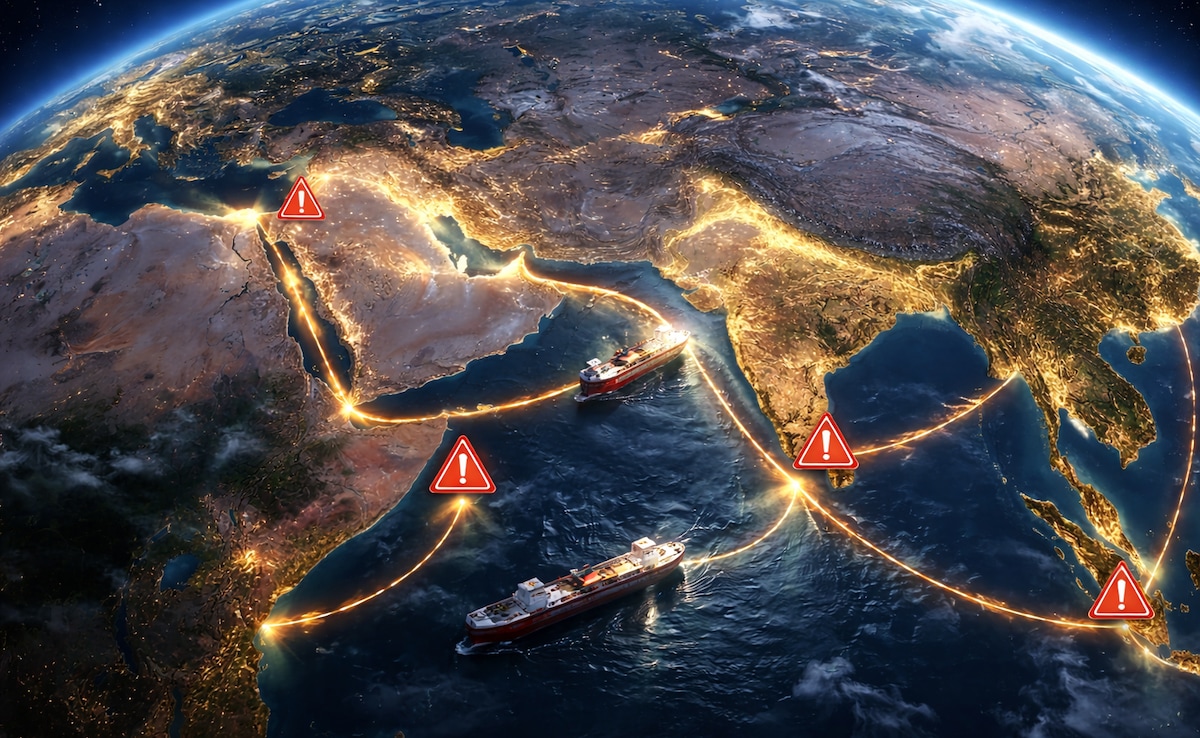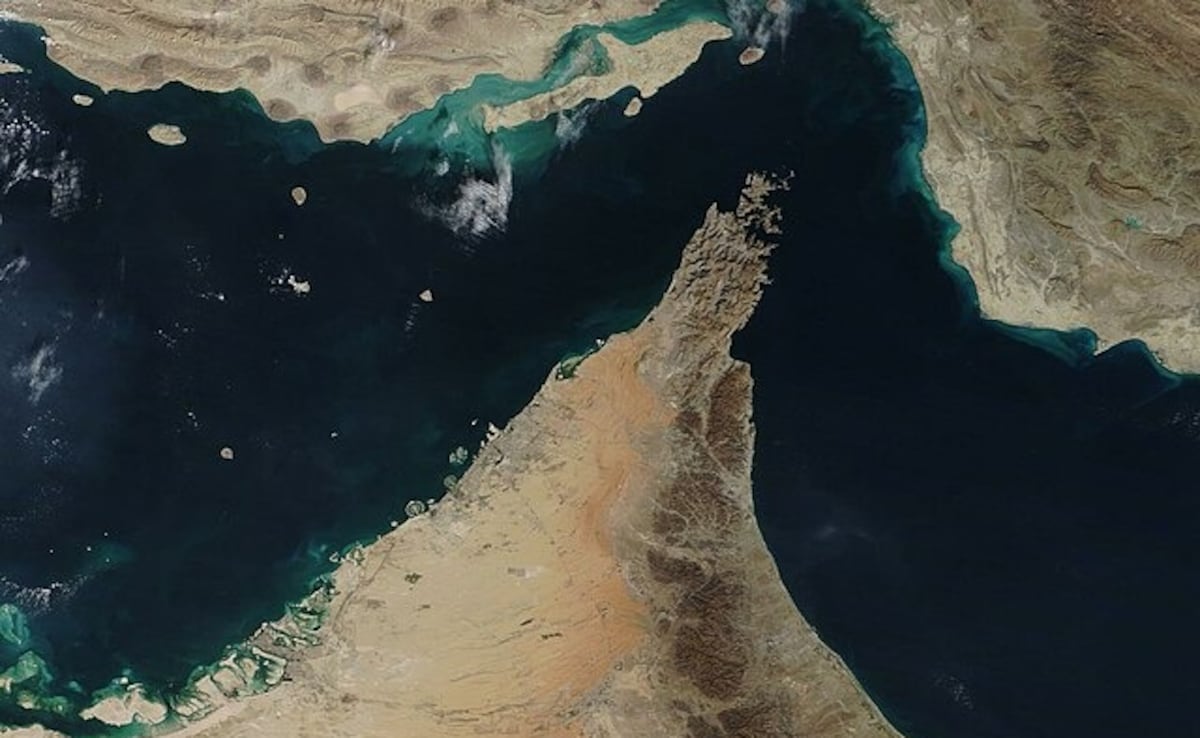
The global energy market just hit a brick wall. On March 3, 2026, Iraq effectively pulled the plug on its most productive asset. The South Rumaila oil field, a monster that typically pumps over a million barrels daily, has slashed production by 100%. This isn't some scheduled maintenance or a labor strike. It's a direct result of the Strait of Hormuz being slammed shut.
If you're wondering why a blocked waterway in Iran forces a field in southern Iraq to stop working, the answer is simple: storage. Iraq is literally running out of places to put the oil. When tankers can't get through the Hormuz chokepoint to reach the Basra terminals, the crude just backs up in the pipes. You can't just leave the tap running when the bucket is full.
The Logistics of a Geopolitical Heart Attack
Iraq's Oil Ministry tried to play it cool today, claiming domestic refineries won't feel the pinch. That’s probably true for now, but it misses the bigger, uglier picture. Rumaila produces nearly a third of Iraq’s total output. By cutting 700,000 barrels per day (bpd) from Rumaila and another 460,000 bpd from West Qurna 2, Iraq has wiped nearly 1.5 million barrels off the global map in 72 hours.
This isn't a "wait and see" situation anymore. Here’s the reality on the ground:
- Storage is at "critical levels": Basra’s tanks are topped off.
- The Tanker Shortage is real: Maritime insurers like Gard and Skuld are pulling war risk cover. No insurance means no tankers. No tankers means no exports.
- The Revenue Hit: Crude sales account for 90% of Iraq’s budget. Every day these fields stay quiet, Baghdad’s bank account bleeds out.
We’re looking at a scenario where Iraq might have to cut 3 million bpd within the week if those tankers don't start moving. That’s not just a "hiccup" in the supply chain; it’s a full-scale cardiac arrest for the global energy trade.
Why You Should Care About the Hormuz Chokepoint
The Strait of Hormuz is only 21 miles wide at its narrowest. Yet, 20% of the world’s oil and LNG passes through it. There is no "Plan B" for this volume of oil. You can't just truck 20 million barrels a day across the desert.
When the Revolutionary Guard declared the strait closed following the recent strikes, the market's reaction was predictable. Brent crude jumped 8% to over $83 a barrel. But that’s the "optimistic" price. If Rumaila stays offline and other Gulf producers follow suit, experts are eyeing $100 or even $120.
Honestly, the world hasn't seen a supply shock this concentrated in decades. Unlike previous crises where we had spare capacity in other regions, the current Middle East conflict is hitting the very infrastructure that makes the spare capacity relevant. It doesn't matter how much oil is in the ground if you can't get a ship to the terminal.
The Domino Effect on Other Producers
Iraq isn't the only one sweating.
- Qatar has already paused LNG production at Ras Laffan because of the same maritime blockade.
- Saudi Arabia is trying to pivot to the Red Sea via the East-West pipeline, but that can only handle a fraction of their usual volume.
- Kuwait and the UAE are essentially trapped behind the same door that Iran just locked.
In the northern Kurdistan region, foreign oil companies have already "temporarily" suspended operations as a precaution. The entire region is bracing for impact, and the Rumaila shutdown is just the loudest alarm bell so far.
What Happens if the Tap Stays Off
You’re going to hear a lot of talk about "strategic reserves" in the coming days. The U.S. and China have stockpiles, sure. But those are meant for short-term emergencies, not a prolonged blockade of the world’s most important waterway.
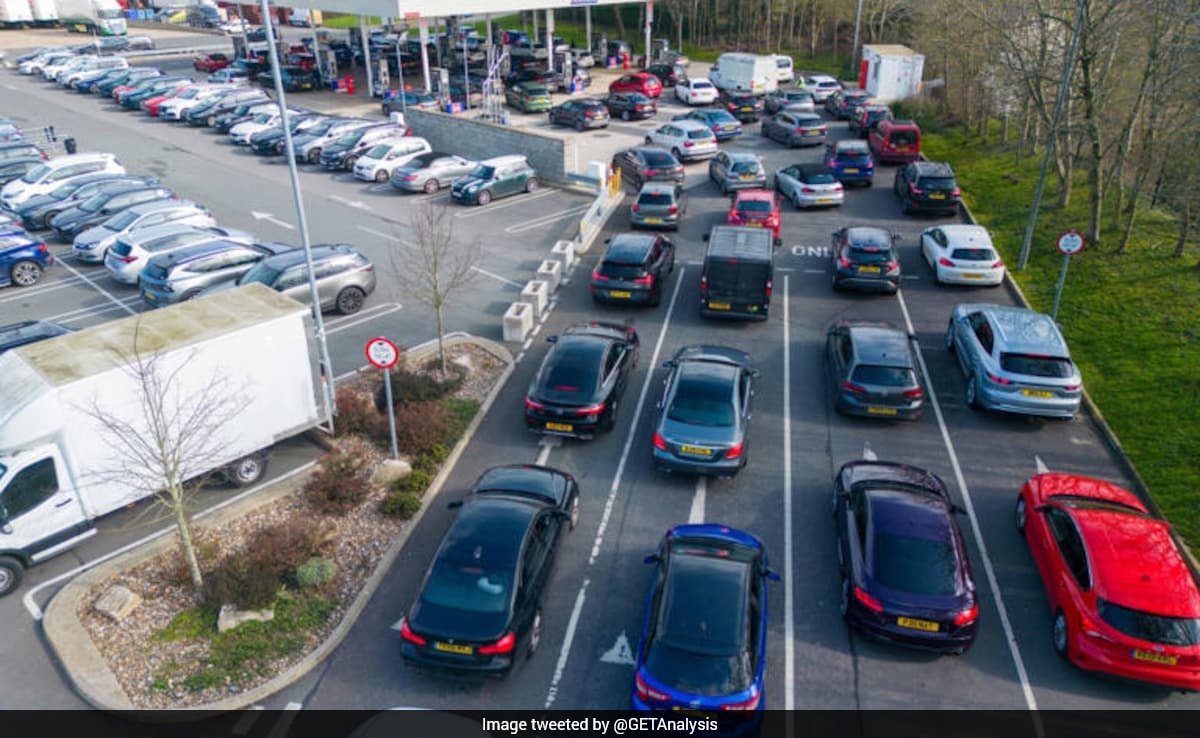
The immediate fallout is going to be felt at the pump and in your utility bills. Gas prices in Europe already spiked 40% this week. If Iraq has to shut down more fields, the inflationary pressure will be enough to stall any economic recovery we've seen this year.
It’s also worth noting the human element. The Iraqi government relies on oil money to pay salaries and keep the lights on. If the revenue stops, the internal stability of Iraq becomes the next big question mark. We’ve seen what happens when Baghdad can't pay its bills, and it’s never pretty.
Practical Realities for the Near Term
If you're tracking the markets or managing logistics, stop looking for "recovery" signals and start looking for "de-escalation" signals. Until the maritime insurance giants feel safe enough to restore coverage, those tankers are going to sit at anchor in the Gulf of Oman.
Keep a close eye on the following:
- Daily Tanker Counts: Watch the AIS (Automatic Identification System) data. If the number of tankers entering the Gulf stays near zero, the production cuts will only get deeper.
- Inventory Reports from Basra: Once those tanks are 100% full, the remaining fields in the south will have no choice but to shut down entirely.
- Alternative Routes: Watch for any movement on the Kirkuk-Ceyhan pipeline or the Basra-Aqaba project. They won't replace the Strait, but they’re the only life rafts Iraq has.
Prepare for a volatile month. The Rumaila shutdown is a signal that the physical limits of oil storage have been reached. From here on out, every day the Strait of Hormuz remains "effectively closed" is a day the global supply shrinks by millions of barrels. Get ready for a very expensive spring.