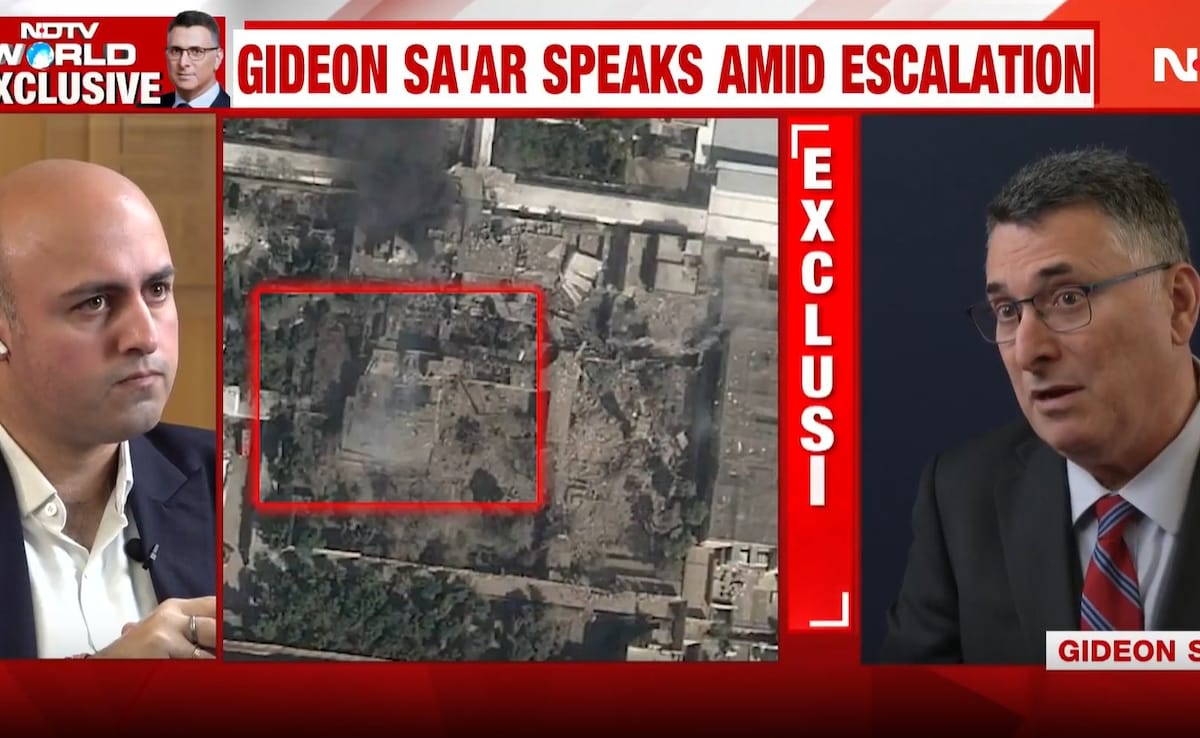
The sheer volume of ordnance dropped across the Iranian plateau in the first twenty-four hours of the U.S.-Israeli joint offensive has redefined the parameters of modern theater warfare. When the Pentagon confirmed that over 1,000 targets were neutralized during the opening salvos of "Operation Shatterglass," the figure was not merely a milestone of logistical efficiency. It was a clear signal that the era of "surgical" containment has ended. This was a systematic dismantling of a sovereign nation’s integrated defense architecture, executed with a level of coordination that suggests years of clandestine mapping and electronic preparation.
The primary objective was simple. Blistering speed. By hitting four figures in target acquisition and destruction within a single sun-cycle, the coalition effectively paralyzed the Iranian command and control structure before the first retaliatory drone could clear its hangar.
The Architecture of a Total System Failure
To understand how 1,000 targets can be hit in a single day, one must look past the jets and missiles. This was a triumph of algorithmic warfare. For months, or perhaps years, cyber intelligence units mapped every node of the Iranian Integrated Air Defense System (IADS). When the order came, the first three hours were not dedicated to physical destruction but to electronic blinding.
S-300 and S-400 battery radars were fed ghost signals. Fiber-optic cables buried deep in the Zagros Mountains were severed by high-altitude electromagnetic pulse (HEMP) bursts or targeted kinetic strikes. By the time the heavy bombers arrived, the Iranian military was effectively fighting in a darkened room.
The target list was not a random assortment of warehouses. It was a prioritized hierarchy:
- Command Hubs: Hardened bunkers in Tehran and Isfahan designed to relay orders to the IRGC.
- Early Warning Arrays: Long-range radar installations that provide the "eyes" for the missile force.
- Fixed Missile Silos: Known locations for the Shahab and Fattah missile families.
- Logistical Arteries: Bridges and tunnels connecting the industrial base to the front-line launch sites.
This wasn't a warning shot. It was a decapitation.
The Logistical Impossible Made Routine
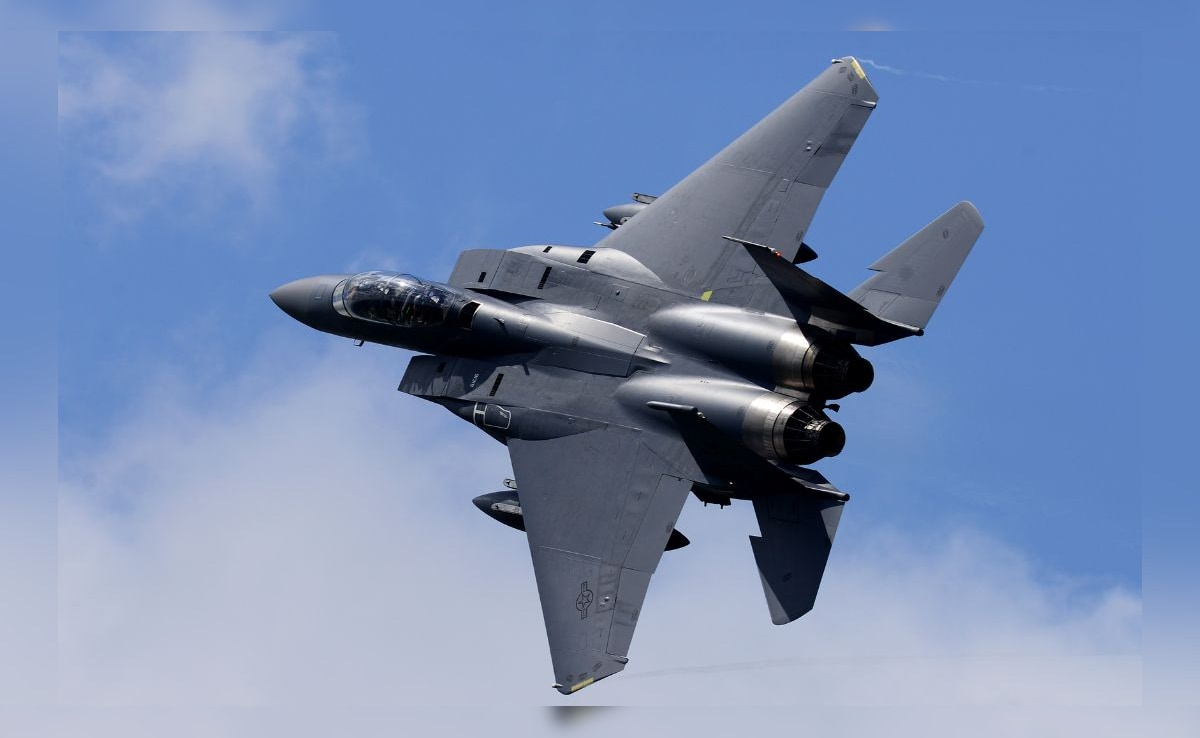
Amassing the firepower to strike 1,000 locations requires a choreography that few nations can manage. It involves the synchronized launch of Tomahawk cruise missiles from the Persian Gulf, long-range sorties from Diego Garcia, and the deployment of Israeli F-35 "Adir" squadrons.
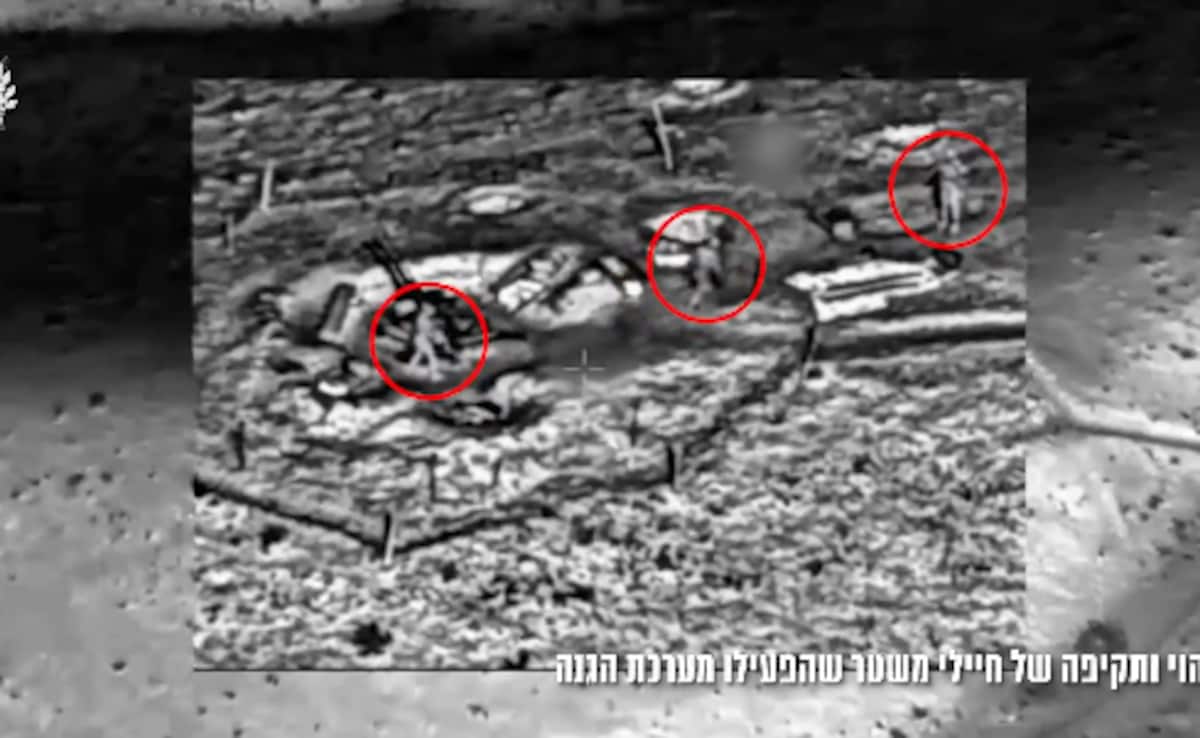
Each strike requires a verification loop. A drone or satellite confirms the hit, feeds the data back to a central processor, and determines if a second strike is necessary. To do this 1,000 times in 1,440 minutes requires a level of automation that removes the "human in the loop" for everything but the final trigger pull. The strain on the fuel supply chain alone—the aerial refueling tankers circling in "orbits" outside the reach of Iranian defenses—is a feat of engineering that goes largely unmentioned in standard news briefs.
The reality of this scale is a nightmare for civilian infrastructure. Even with high-precision munitions, hitting a thousand targets in a densely populated country means "collateral" is a certainty, not a risk. Power grids are integrated. If you hit a military base’s dedicated power line, the neighboring village goes dark too. The psychological impact of a thousand explosions in twenty-four hours is designed to break the will of the middle management within the Iranian bureaucracy.
The Mirage of Sovereignty
For years, Iran projected an image of an "impenetrable fortress." They touted their indigenous defense systems and their "forward defense" doctrine. On Saturday, that image evaporated. The failure of the Russian-made defense systems to intercept even a significant fraction of the incoming fire raises uncomfortable questions for Moscow as much as it does for Tehran.
The strategic takeaway is the death of the "deterrent" theory. Iran believed its ability to close the Strait of Hormuz or launch a swarm of drones served as a shield. The U.S. and Israel gambled that if they hit hard enough and fast enough, the shield would shatter before it could be raised. They were right. The Iranian response in the first twenty-four hours was disorganized and sporadic, characterized more by local commanders acting on instinct than a coordinated national defense.
The Role of Stand-off Weaponry
A significant portion of these 1,000 targets were not hit by piloted aircraft entering Iranian airspace. They were struck by stand-off weapons launched from hundreds of miles away.
- JASSM-ER (Joint Air-to-Surface Standoff Missile): These stealthy cruise missiles can navigate through valleys to avoid detection.
- Loitering Munitions: Often called "kamikaze drones," these stayed over Iranian skies for hours, waiting for a radar to turn on before diving into the source.
- Cyber-Kinetic Pairs: Digital attacks that opened "doors" in the firewall, followed immediately by a physical missile through the literal door of the facility.
This combination made the traditional concept of a "front line" irrelevant. The front line was everywhere at once.
Economic Aftershocks and the Energy Void
The strikes avoided the primary oil export terminals at Kharg Island—likely a calculated move to prevent a global oil price spike that would alienate European allies. However, the internal energy grid took a massive hit. By targeting the substations that feed the centrifuges and the military manufacturing plants, the coalition has effectively turned Iran’s industrial sector into a collection of idle factories.
The cost of rebuilding the infrastructure destroyed in just one day is estimated in the tens of billions. Unlike previous conflicts where reconstruction begins as soon as the smoke clears, the continuing threat of "follow-up waves" means that no contractor or government agency can even begin to assess the damage safely.
The focus on "dual-use" infrastructure is a gray area in international law. When a bridge is used to transport both food and missiles, it becomes a target. By the 800th strike of the day, the distinction between purely military and civilian-support infrastructure had become dangerously thin.
The Intelligence Breach That Made It Possible
You do not hit 1,000 targets without "insider" knowledge. The accuracy of the strikes suggests that the Iranian security apparatus is compromised at a fundamental level. To know exactly which floor of a building houses a server rack, or which mountain side hides a secret entrance, requires human intelligence (HUMINT).
The political fallout within Tehran will likely be a bloody purge. If the military cannot protect the capital, and the intelligence services cannot keep secrets, the regime's foundation is based on sand. This wasn't just a military defeat; it was an intelligence humiliation.
A New Precedent for Global Conflict
The "thousand-target day" is now the new benchmark for Great Power competition. It tells other regional actors—and global rivals—that the United States and its closest allies have moved beyond the "shock and awe" of the early 2000s. This is something colder. It is a "delete" key for an entire nation's military capacity.
The world is watching how the "day after" unfolds. If the coalition continues this pace, there will be nothing left of the Iranian military by the end of the week. The question is no longer whether Iran can defend itself, but how long the remaining leadership can survive in a country where the lights have gone out and the sky is owned by an invisible enemy.
Strategic silence from the Iranian leadership in the immediate aftermath speaks volumes. When you are hit 1,000 times in a day, there is no room for rhetoric. There is only the frantic effort to find a place to hide. The tech-enabled brutality of this campaign has stripped away the myth of regional parity, leaving a void where a regional power used to be.
The sheer mass of the data gathered from these strikes—every radar signature, every panicked radio transmission—is currently being fed into Western AI models to refine the next 1,000 targets. The loop is tightening. For the commanders in Tehran, the realization must be setting in that the first twenty-four hours were not the peak of the storm, but merely the atmospheric shift before the front arrives.
Military planners are already looking at the "attrition math." If a nation loses its most valuable assets at a rate of forty per hour, the time to total surrender is measured in days, not months. This is the reality of the high-speed, high-density conflict of the 2020s.
Make no mistake, the map of the Middle East was redrawn on Saturday, not with a pen, but with a thousand GPS-guided points of impact.