The blue light of a smartphone at 11:00 PM is a peculiar kind of confessional. We sit in the dark, scrolling through endless digital tiles, looking for something that doesn’t just kill time, but speaks to the versions of ourselves we’ve lost or haven't met yet. We call it "streaming," a fluid, effortless word, but the act is often an extraction. We are digging for a feeling.
This week, the digital ether offers up a strange, beautiful collage of human transition. There is a pop star obsessed with the mechanics of a perfect note, an acting legend returning from a self-imposed exile, and a teen idol looking back at the wig that defined her. On the surface, it is a list of new releases. Underneath, it is a map of how we grow up, how we hide, and how we finally decide to show our faces.
The Architect of the Perfect Hook
Charlie Puth is often dismissed as a maker of polished FM radio candy, but that ignores the frantic, almost neurodivergent energy he brings to the craft. In his latest appearance on our screens—specifically through his new Roku series The Charlie Puth Show—we see a man who hears the world in a way most of us can’t.
Imagine sitting in a coffee shop. Most people hear the hiss of steam and the low hum of chatter. Puth hears a B-flat. He hears the rhythmic frequency of a spoon hitting a ceramic mug and sees a bassline. He is a man haunted by harmony. His new show isn't just a vanity project; it is a meta-comedic look at the absurdity of being a "hitmaker" while trying to maintain a shred of authentic identity.
He plays a heightened version of himself, navigating the bizarre pressures of Los Angeles. It’s funny, yes, but there’s a vulnerability in watching a person whose entire value system is tied to the "perfect sound" realize that life is inherently messy and out of tune. We watch Charlie Puth because we all know what it’s like to try and orchestrate our lives into something seamless, only to have the reality of human awkwardness break the melody.
The Ghost Who Returned
Then there is the matter of Daniel Day-Lewis.
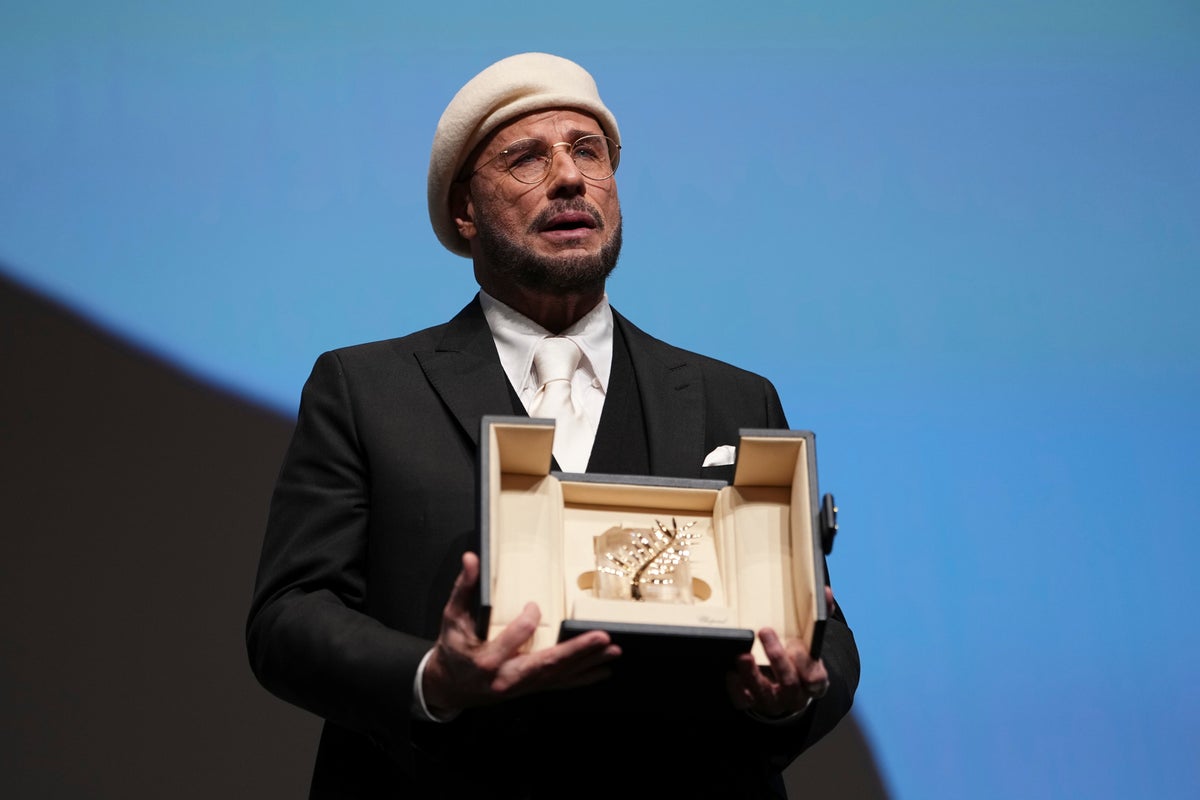
For years, the narrative was settled. He had retired. The greatest actor of his generation had walked away from the camera after Phantom Thread, presumably to cobble shoes in Italy or live a life of quiet, tactile obsession far from the vanity of Hollywood. But the silence has been broken.
The news of his return for Anemone, a film directed by his son, Ronan Day-Lewis, feels less like a press release and more like a mythic event. Why does it matter so much? Because Day-Lewis represents a kind of commitment that scares us. He doesn't just play a part; he becomes a vessel. When we see him on screen, we aren't looking at a celebrity. We are looking at the result of a human being pushing themselves to the absolute limit of empathy and transformation.
His return is a reminder that the things we love—the crafts we say we are finished with—have a way of pulling us back. Whether it’s an actor returning to the set or a painter picking up a brush after a decade of dust, the "un-retirement" of Daniel Day-Lewis is a story about the endurance of the creative spirit. It suggests that our passions aren't just phases. They are part of our DNA.
The Survival of the Glitter Girl
Contrast that heavy, Method-acting intensity with the neon nostalgia of Hannah Montana.
Disney+ is releasing a special that looks back at the phenomenon, and it would be easy to roll our eyes. But consider the girl behind the wig. Miley Cyrus has spent the last decade systematically deconstructing the house that Disney built. She swung on wrecking balls, she explored psychedelic rock, and she found her voice in a raspy, soulful Americana.
To look back at Hannah Montana now isn't just a trip down memory lane for Gen Z. It’s a study in survival. It is the story of a child star who was two people at once before she even knew who she was as one person. When we stream these old clips and the new reflections, we are watching a public exorcism of a persona. We are seeing how a human being negotiates with their past self. It’s a question we all face: How much of your younger, performative self are you required to keep, and how much are you allowed to burn down to make room for the adult?
The Rhythm of Resilience
While Miley looks back, Robyn continues to move forward, though her pace is entirely her own. The Swedish pop priestess is the subject of renewed focus as we look at the legacy of "Body Talk" and her influence on the modern "sad banger."
Robyn taught a generation that you can be heartbroken and dancing at the same time. There is a specific kind of catharsis in her music—and the documentaries surrounding her career—that feels more relevant than ever. In a world that feels increasingly fragmented, the image of Robyn standing alone in a spotlight, crying while the beat drops, is the ultimate metaphor for the 2020s.
She doesn't offer easy happy endings. She offers endurance. She tells us that the dance floor is a valid place to process grief. When we stream her performances, we aren't just looking for a catchy chorus. We are looking for permission to feel two conflicting things at once.
The Quiet Charm of the Everyman
Finally, we find James Marsden.
Marsden is perhaps the most under-appreciated weapon in the entertainment arsenal. Whether he’s the earnest hero in Enchanted or the bewildered "straight man" in the experimental brilliance of Jury Duty, Marsden carries a specific human quality that is rare in the era of the "Alpha" lead: humility.
His recent projects remind us that there is a profound art to being the person the audience can lean on. He doesn't suck all the oxygen out of a room. He creates space for the story to happen around him. In a culture obsessed with being the loudest and most "disruptive" person in the digital space, Marsden’s career is a testament to the power of the reliable, the kind, and the consistently excellent. He is the personification of the friend who actually listens.
The Choice We Make at the Menu
So, we sit there with the remote.
We have the technician in Charlie Puth, the titan in Daniel Day-Lewis, the survivor in Miley Cyrus, the healer in Robyn, and the anchor in James Marsden.
These aren't just titles to check off a list. They are different ways of being alive. We choose what to stream based on what we need to see reflected back at us. Do we need to see that it’s okay to be obsessed with the details? Do we need to know that we can come back from the dead? Do we need to remember the girl we used to be?
The screen flickers. The selection is made. We aren't just watching a show. We are looking for ourselves in the dark, waiting for the story to tell us who we are today.
The light stays on until the credits roll, and for a moment, the silence in the room isn't empty—it's full of the echoes of the people we’ve just become.