The morning air in North London usually carries the scent of toasted bagels and the rhythmic, hurried clip of footsteps heading toward the Overground. It is a neighborhood defined by its rituals. Families walk together, the traditional dress of the Charedi community marking the passage of time as clearly as any clock tower. But on a Tuesday that should have been unremarkable, the rhythm broke. The sound of a routine commute was replaced by a sharp, jagged silence, followed by the kind of screams that don't belong in a residential street.
Two people were going about their lives. One was a man in his 50s; the other, a younger man in his 20s. They were not figures in a political debate or data points in a sociological study. They were neighbors. They were sons. And in an instant, they became the latest victims of a sudden, violent rupture in the social fabric of Stamford Hill.
The Anatomy of an Instant
Violence in a city like London rarely announces itself with a drumroll. It is a sudden tear in the mundane. Reports from the Shomrim—a voluntary Jewish community watch group that has become an essential layer of local safety—described a scene that felt disconnected from the peaceful surroundings of Gladesmore Road. A man armed with a knife set upon the two victims in broad daylight.
Blood on the sidewalk has a way of looking darker than it does on screen. It is visceral. It pools in the cracks of the paving stones, a stark reminder that our sense of security is often just a thin veil we agree to wear so we can function. When the emergency calls went out, the response was a frantic symphony of sirens. The London Ambulance Service and the Metropolitan Police swarmed the area, cordoning off the familiar corners where children usually play.
The victims were rushed to a major trauma center. In the sterile, fluorescent-lit hallways of a hospital, the "human element" isn't a buzzword. It is the sound of a heart monitor. It is the heavy, suffocating wait in a plastic chair in the emergency room. While the headlines began to churn out the cold facts of the "attack in North London," families were grappling with the terrifying reality that their loved ones might not come home the same way they left.
The Invisible Weight of the Knippa
For the Jewish community in Stamford Hill, an attack like this is never just an isolated incident of street crime. It carries the weight of history. Every time a blade is drawn against a member of the community, a thousand years of collective memory flickers to life.
Consider a hypothetical resident named Elias. Elias has lived in the area for forty years. He knows which shops sell the best rye bread and which neighbors are struggling with their rent. When Elias hears about a stabbing three streets away, he doesn't just check his door locks. He feels a tightening in his chest that his grandfather felt in a different country, in a different century. To the outside world, this is a police report. To those living within the community, it is an existential tremor.
The Shomrim security group reported that the suspect was eventually detained. But the arrest is only the end of the first chapter. The police have stated they are keeping an open mind regarding the motive, a phrase that often serves as a placeholder for the anxiety of a community wondering if they were targeted for who they are. Whether the investigation eventually labels this as a hate crime or a random act of a troubled individual, the psychological result is identical: a deep, shivering sense of vulnerability.
The Echoes of the Street
London is a city of layers. We walk over Roman ruins, Victorian sewers, and the ghosts of a thousand previous riots and celebrations. Usually, these layers stay buried. But events like the Stamford Hill attack bring them to the surface.
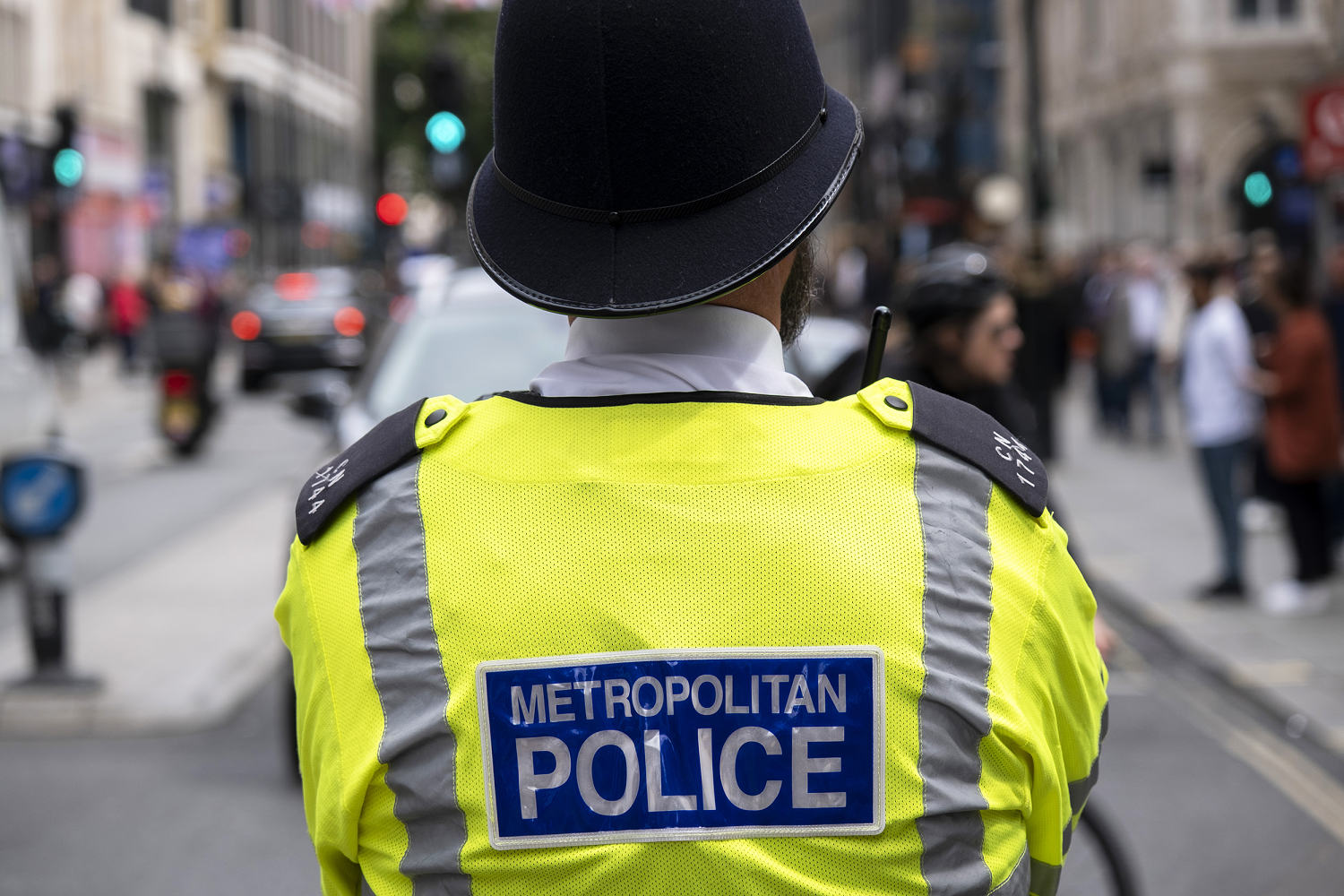
The Metropolitan Police are currently tasked with more than just forensic analysis. They are in the business of reassurance, a commodity that is increasingly expensive and difficult to manufacture. Extra patrols now move through the streets of Hackney. Officers in high-visibility vests stand at street corners, their presence meant to signal "you are safe," even as their very necessity proves the opposite.
There is a specific kind of exhaustion that settles over a neighborhood after such an event. It’s the way people look at each other on the bus. It’s the slight hesitation before a parent lets a teenager walk to the corner shop alone. This isn't just about two men being injured; it’s about the erosion of the "public square," that invisible space where we all agree to coexist without fear.
The Resilience of the Ritual
If you walk through Stamford Hill tomorrow, you will see the recovery in progress. Not just the physical healing of the two men—whose conditions, thankfully, were eventually assessed as non-life-threatening—but the healing of the street itself.
The shops will open. The school buses will run. The community will gather for prayer, their voices rising in a tradition that has survived far worse than a Tuesday morning on Gladesmore Road. This is the quiet defiance of urban life. We refuse to let the horror of a single moment redefine the entirety of our geography.
Yet, the stains on the pavement take a long time to fade, even after the rain. The invisible stakes are found in the eyes of the young men who now walk a little faster, and the elders who look over their shoulders a little more often. The story of London is often told through its monuments, but its true pulse is found in these moments of friction and the stubborn, beautiful persistence of the people who refuse to be moved by the shadow of a blade.
The siren fades. The police tape is rolled up and tossed into a bin. The street returns to the people, but it is a different street than it was at dawn. It is a street that remembers. It is a street that waits for the next ritual to begin, hoping the silence remains unbroken.