The sea does not care about slogans. In the narrow, shimmering neck of the Strait of Hormuz, the water is a bruised shade of blue, deep enough to hide a thousand ghosts and shallow enough to hold the world’s economy hostage. A tanker captain standing on the bridge doesn't look at the map and see "geopolitics." He sees the radar. He sees the potential for a sudden, metallic bloom of fire on the horizon. He sees his crew’s faces.
For months, the air across the Middle East has tasted of copper and dust. The standoff between Israel and Iran reached a fever pitch that felt less like a diplomatic disagreement and more like a physical weight pressing down on the chest of the global market. Then, the signals changed. Not with a roar, but with a series of quiet, calculated tremors emanating from a transition office thousands of miles away in Florida.
Donald Trump is not a man of whispers, yet his latest peace plan for the region arrived with the clinical precision of a high-stakes real estate closing. It is a document that attempts to do what decades of traditional statecraft failed to achieve: commoditize peace. By framing the survival of the region not as a moral imperative, but as a logistical necessity, the incoming administration has shifted the gravity of the entire conflict.
The Calculus of the Current
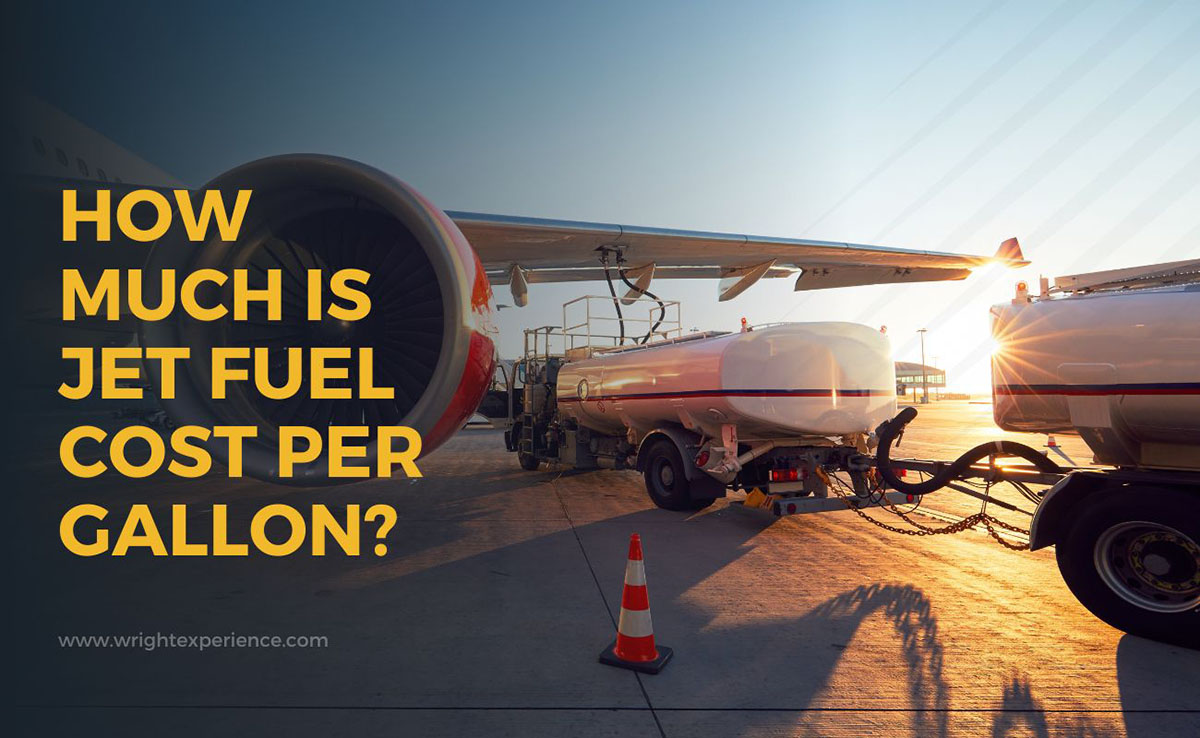
Consider the oil tanker. It is a floating city of steel, carrying enough energy to power a small nation for a month. When Iran signals that it is opening its waters to "non-hostile" vessels, it isn't just a change in maritime policy. It is a gasp of breath. For a sailor on that deck, the news means the difference between a routine watch and a frantic scramble toward lifeboats.
The Iranian announcement acted as a pressure valve. By distinguishing between "hostile" and "non-hostile" traffic, Tehran began to play a sophisticated game of economic chess. They are essentially telling the world that the gates are open, provided you aren't carrying the wrong flag. This isn't benevolence. It’s a survival tactic. Iran knows that a total blockade of the Strait would be a suicide pact, an act of economic self-immolation that would turn the entire globe—including its few remaining allies—against it.
Meanwhile, the Trump peace plan serves as the scaffolding for a new reality. It doesn't ask the lion to lay down with the lamb because they’ve found sudden friendship. It asks them to stay in their respective corners because the cost of the fight has become higher than the value of the prize.
The Invisible Toll
We often talk about "market volatility" as if it’s a weather pattern, something abstract and untouchable. But volatility is a father in Mumbai wondering why the price of cooking oil just spiked. It is a truck driver in Ohio watching the numbers on the pump climb while his wages stay stagnant. The tension between Israel and Iran isn't just a map with red and blue arrows; it is a direct tax on the lives of people who couldn't find the Dead Sea on a map if their lives depended on it.
The "peace plan" being floated involves a heavy emphasis on regional integration—essentially an expansion of the Abraham Accords on steroids. It envisions a Middle East where the primary export isn't grievance, but innovation and energy. But for this to work, the ghost of an all-out war between Israel and Iran must be exorcised.
The recent exchange of long-range strikes between the two nations proved one thing: the distance between them is no longer a shield. Technology has collapsed the geography of the Middle East. A drone launched from a desert floor in Isfahan can reach a residential street in Tel Aviv in hours. A missile from the Negev can find a target in the heart of the Iranian nuclear program with terrifying accuracy.
The Merchant’s Peace
There is a specific kind of silence that follows a storm. As the Trump administration prepares to take the reins, that silence is being filled by the clink of coins and the rustle of contracts. The strategy is clear: overwhelm the desire for war with the opportunity for profit.
The Iranian offer to allow "non-hostile" vessels is a nod to this new reality. It is a recognition that the "Maximum Pressure" campaign of the first Trump term is likely to return, but with a different set of exits. If Iran can prove it can be a "responsible" steward of the world’s most vital waterway, it hopes to retain some sliver of its economic lifeblood.
Israel, too, faces a crossroads. The security guarantees offered in the new peace plan are tempting, but they come with a price: the requirement to temper its own response to Iranian provocations. The Israeli cabinet isn't just debating military strategy; they are debating the long-term viability of a Jewish state in a region that is being rebuilt by a developer's hand.
The Human Element
If you walk through the markets of Tehran or the cafes of Haifa, you won't find people screaming for the apocalypse. You find people exhausted by it. They are tired of the sirens. They are tired of the currency fluctuations that turn their savings into scrap paper overnight.
A hypothetical shopkeeper in Isfahan—let’s call him Abbas—doesn't care about the intricacies of the "non-hostile" vessel designation. He cares that the imported spare parts for his refrigerators have tripled in price because of insurance premiums on shipping. Across the border, a tech worker in Tel Aviv named Noa doesn't care about the specific wording of a peace plan; she cares that her reservist husband has been away for months and the startup she works for is losing funding because the region is labeled a "red zone."
These are the people the diplomats never mention. These are the stakes that don't make it into the bullet points of a press release.
The shift we are seeing is a move toward a "Cold Peace." It is a state where the hatred hasn't vanished, but the utility of that hatred has been exhausted. By focusing on oil vessels and trade routes, the players are admitting that the stomach is often more influential than the heart.
The Unseen Risks
Success is not guaranteed. A single miscalculation by a nervous radar operator, a lone wolf attack in a crowded square, or a misunderstood signal in the Strait could set the whole bridge on fire. The Trump plan relies on the assumption that all actors are rational and motivated by self-interest. But history is a graveyard of "rational" plans that were buried by the irrationality of religious fervor and ancient pride.
The "non-hostile" designation for ships is also a double-edged sword. Who defines "hostile"? Is it based on the flag? The cargo? The destination? This ambiguity creates a playground for the Islamic Revolutionary Guard Corps to exert influence while technically adhering to a "peaceful" framework. It is a loophole large enough to sail a destroyer through.
The world is watching the transition of power in Washington not because they love the drama of American politics, but because the American President is the only person with a loud enough voice to drown out the drums of war.
The ships continue to move. Each one that passes through the Strait without incident is a small, quiet victory for the status quo. Each one is a message sent from the bridge to the shore: Not today.
We are witnessing the birth of a Middle East defined not by its borders, but by its pipelines. It is a vision of a world where the flow of oil and the movement of data create a web of dependency so thick that no one can afford to break it.
The sun sets over the Persian Gulf, casting long, orange shadows across the decks of the waiting tankers. The water is calm, for now. On the horizon, the lights of the coast begin to flicker on—thousands of small, fragile sparks of life, all connected by a thin, invisible thread of hope that the men in the high offices mean what they say.
The deal is on the table. The ink is wet. The sailors are waiting.