Croatia is gorgeous, but let’s be real. It’s also becoming incredibly expensive. Since the country switched to the Euro and fully joined the Schengen Zone, the days of "budget-friendly Balkan trips" in Dubrovnik or Hvar are basically over. You're now paying Paris prices for a seaside seat in Split. If you want that same turquoise water, ancient stone architecture, and Mediterranean sun without the soul-crushing credit card bill, you need to look slightly further down the coast.
2026 is the year of the "dupe" destination. Travelers are realizing they can get the exact same Adriatic vibes—and often better hospitality—for about 40% of the cost by crossing a border or two. I've spent years scouting these coastlines. Here is where you should actually book your flight if you want a quirky, affordable summer.
The Albania Hype Is Real and Cheaper Than Ever
If you’ve spent any time on travel TikTok lately, you’ve seen the "Maldives of Europe" videos featuring Ksamil. Honestly, Ksamil is getting a bit crowded and "sardine-style" during July. But the rest of the Albanian Riviera? That's where the magic is.
While a mid-range hotel in Dubrovnik now hits €200 a night easily, you can find stunning boutique stays in Vlorë or Dhërmi for €60. Albania still uses the Lek, which gives you a massive currency advantage. You can sit down for a full seafood dinner with wine and walk away spending less than €20.
The best part about Albania in 2026 isn't just the price; it’s the fact that it sits outside the Schengen Zone. For non-EU travelers, this is a huge win. It doesn't count toward your 90-day limit, making it the perfect "reset" spot for long-term slow travelers. Just a heads up: driving there is an adventure. Don't expect Swiss-style highways. Expect goats on the road and very "creative" local driving styles.
Montenegro Is the Sophisticated Middle Ground
Think of Montenegro as Croatia’s cooler, slightly more rugged younger sibling. It uses the Euro, but because it’s not in the EU yet, the cost of living remains significantly lower.
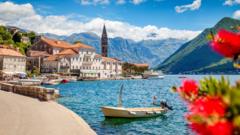
Kotor is the obvious choice with its dramatic fjord-like bay, but if you want to save money, head south to Ulcinj. It’s near the Albanian border and has a completely different feel—think long sandy beaches instead of the usual Adriatic pebbles.
- Budva: Great for nightlife, but can be a bit of a tourist trap.
- Perast: Quiet, romantic, and looks like a film set.
- Durmitor National Park: If you get tired of the heat, head inland. The mountains here offer some of the cheapest world-class hiking in Europe.
A villa with a private pool in Montenegro might run you €250 in peak season. In Hvar? You’d be lucky to find a damp studio apartment for that price in August.
Slovenia for the Coast and the Caves
Most people forget Slovenia even has a coastline. It’s tiny—only about 47 kilometers—but it’s a gem. Piran is a Venetian-style town that looks identical to Rovinj in Croatia but feels much more authentic.
Slovenia is incredibly organized. Everything works. The buses are on time, the streets are spotless, and the tap water is some of the best in the world. While it’s not as "dirt cheap" as Albania, your daily budget of around €110 will get you a much higher standard of living than it would across the border in Italy or Croatia.
Bulgaria’s Black Sea Is the Ultimate Budget Pivot
If the Adriatic is still too pricey, look at the Black Sea. Varna and Burgas are the heavy hitters here. Bulgaria is consistently ranked as one of the cheapest countries in Europe for travelers.
I’m talking about €2 beers and €40 four-star hotels. The vibe is different—more "vibrant coastal city" than "ancient Mediterranean village"—but the beaches are wide, sandy, and the water is surprisingly warm. Nessebar is the spot for history buffs; it’s a UNESCO World Heritage site on a small peninsula that rivals any Croatian old town for charm.
How to Actually Plan These Trips
Don't just look for direct flights to the tiny coastal airports. They're often overpriced.
- Fly to Tirana: The airport has expanded massively for 2026. From there, rent a car and drive south.
- Use Podgorica: Flying into Montenegro's capital is often half the price of flying into Tivat or Dubrovnik.
- The Ferry Hack: You can take a ferry from Bari or Brindisi in Italy over to Albania or Montenegro. It’s a slow, overnight journey, but it’s a classic travel experience that saves you a night on a hotel and a pricey flight.
The reality of travel in 2026 is that the "famous" spots are victims of their own success. They're crowded, expensive, and starting to feel like theme parks. By heading to the "quirky" alternatives, you aren't just saving money. You’re getting a version of the Mediterranean that still feels like a discovery.
Stop following the crowds to the same three cities in Dalmatia. Move 100 miles south. Your wallet and your Instagram feed will thank you. Get a local SIM card the second you land in Albania (your EU roaming won't work), download an offline map, and just start driving. The best coves aren't the ones with the hashtags; they're the ones where the menu is only in a language you don't speak.