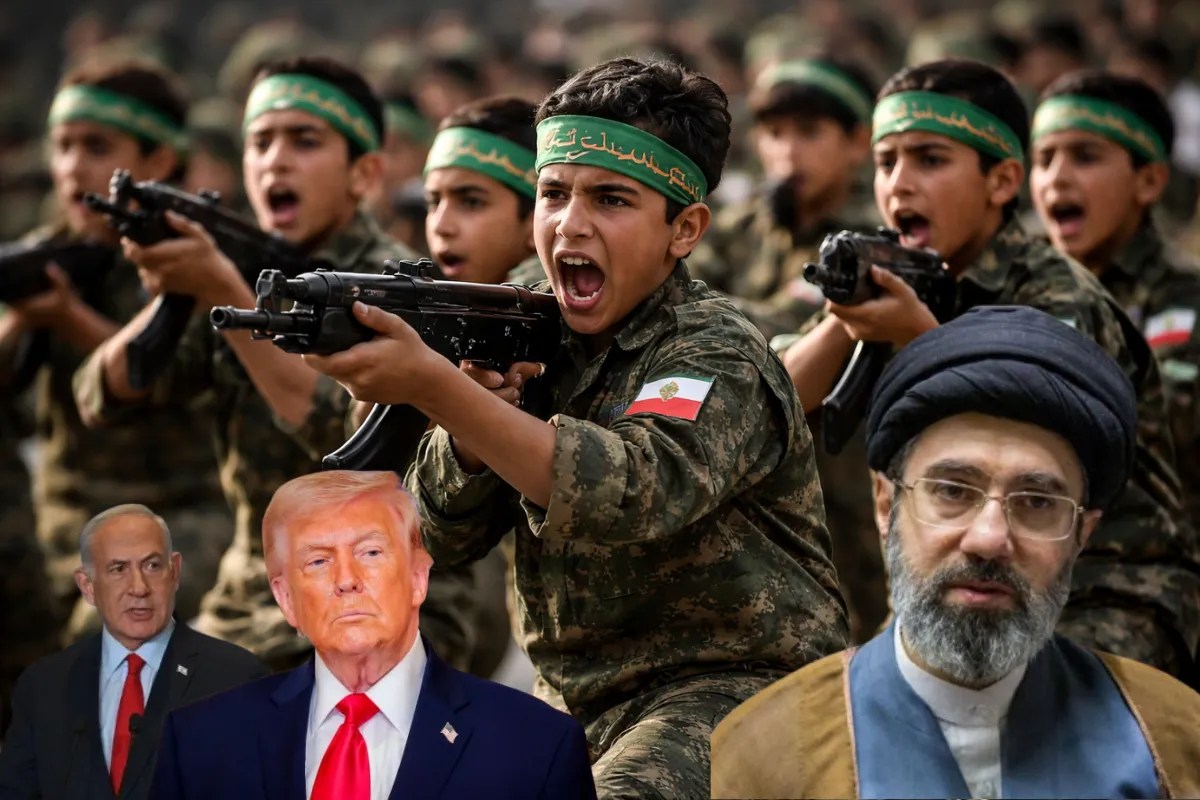
The weight of a rifle is roughly eight pounds. For a grown man, it is a burden of metal and wood. For a twelve-year-old boy, it is an anchor that pulls his entire center of gravity toward the dust.
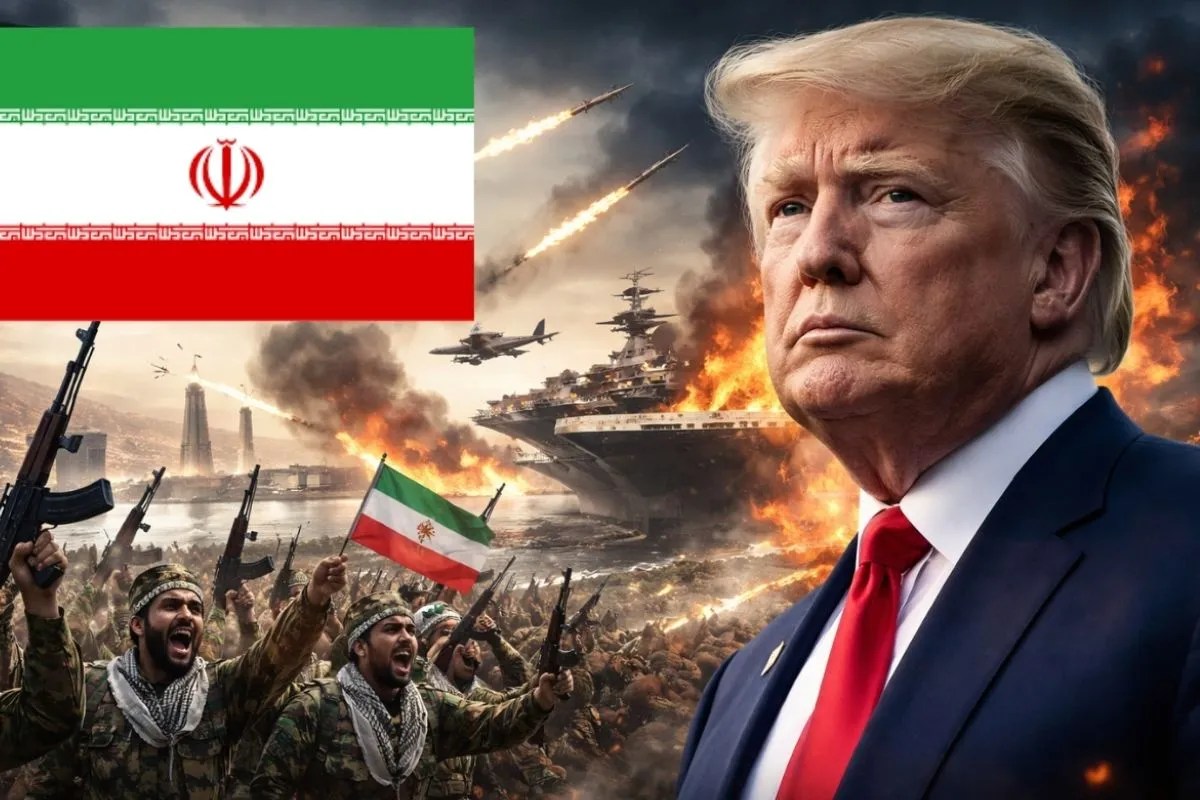
When reports began trickling out of Tehran regarding the mobilization of "youth volunteers" for a potential escalation with the West, the world looked at the geopolitical chess pieces. Analysts discussed regional hegemony, drone ranges, and the price of crude oil. But the reality isn't found in a spreadsheet or a briefing room. It is found in the oversized boots of a child who should be worrying about a math exam rather than the trajectory of a mortar shell.
Iran is signaling a shift that feels like a ghost from the 1980s. During the Iran-Iraq war, thousands of children, some barely in their teens, were sent across minefields. They carried plastic "keys to paradise" around their necks. Today, as tensions with the United States reach a fever pitch, the rhetoric of "total defense" has returned. This isn't just military strategy. It is the systematic erasure of childhood in the name of a narrative that few of these boys can truly grasp.
The Anatomy of a Child Soldier
We often think of war as a clash of technologies—stealth bombers versus anti-aircraft batteries. We forget that the most primitive element of war is the body.
When a state begins to lower the age of "readiness," it is admitting a terrifying truth: the ideological machine is running out of adults. Consider a hypothetical boy named Reza. At twelve, his brain is a sponge for identity. He wants to belong. He wants to be a hero. If the only path to heroism offered to him is the barrel of a gun, he will take it. He doesn't see the geopolitical maneuvering between Washington and Tehran. He sees a uniform that fits him poorly and a promise that he is defending something sacred.
The psychological toll of this mobilization is a debt that a nation pays for generations. When you teach a child that their primary value is their utility as a shield or a weapon, you break the fundamental contract of civilization. That contract suggests the old should protect the young. In the current climate of the Middle East, that contract is being shredded.
The Strategy of Human Cost
Why would a nation-state even suggest the use of children in a modern conflict? To understand this, we have to look past the hardware.
- The Moral Deterrent: There is a gruesome logic at play. If an adversary knows that the front lines are populated by children, the "cost" of an engagement skyrockets. It is a play on the conscience of the enemy. It turns every tactical decision into a potential war crime.
- Ideological Saturation: By involving children, the state ensures that the conflict enters the home. It is no longer a professional military matter; it is a family matter. Every mother becomes a stakeholder in the survival of the regime because her son is now part of the machinery.
- The Infinite Reserve: Adults can dissent. Adults can desert. Children, fueled by a mixture of fear and adrenaline-soaked propaganda, are often more compliant. They follow orders because they haven't yet learned how to calculate the odds of their own survival.
The logistics of this are as cold as they are efficient. Training camps aren't just for physical drills. They are for the restructuring of the mind. They take the natural playfulness of a twelve-year-old and channel it into a rigid, singular purpose.
The Invisible Stakes
The conversation usually stays on the surface. We talk about the "new turn" in the US-Iran conflict as if it’s a game of Risk. But the hidden cost is the hollowed-out future of a society.
Imagine a classroom where the desks are empty because the students are at a training range. Imagine the long-term trauma of a generation that survives the front lines only to return to a peace they don't know how to live in. We saw this after the "Basij" waves of the eighties. The men who returned were never truly whole. They carried the silence of the trenches into their marriages, their jobs, and their parenting.
War is loud, but the damage it does to a child’s soul is remarkably quiet. It happens in the moments between drills, in the cold nights when they miss their mothers but are told that missing home is a weakness. It's a specialized kind of cruelty to take a person who still has baby teeth and tell them they are a martyr in waiting.
A Cycle Without an Exit
The international community watches these developments with a mixture of horror and helplessness. Sanctions hit the economy, but they rarely hit the ideological heart of a regime determined to survive at any cost.
The tension between the US and Iran has become a self-sustaining engine. Each side points to the other as the ultimate evil, justifying increasingly desperate measures. When Iran talks about 12-year-olds in the context of war, they are sending a message to the West: We are willing to lose everything. Are you?
It is a game of chicken where the collateral is the next generation.
There is no "winning" a conflict that requires the sacrifice of children. Even if a territory is held or a regime is preserved, the moral foundation of that victory is built on sand. A nation that sends its children to do the work of its generals has already lost its way, regardless of what the final peace treaty says.
The desert wind doesn't care about borders or ideologies. It blows over the dunes and through the empty playgrounds alike. Somewhere, right now, a boy is being taught how to strip a rifle. He is being told he is a man. He is being told he is a protector.
He is twelve.
He should be afraid of the dark, not the light of a coming explosion. But in the theater of modern warfare, the smallest shadows are often the ones cast by those who have the most to lose and the least power to stop it. The tragedy isn't just that they might die; it's that they were never given the chance to live as anything other than a footnote in someone else's war.
The boots are still too big. They always will be.
Would you like me to research the specific international laws regarding the use of minors in state-sponsored militias to see how these new reports might trigger global sanctions?