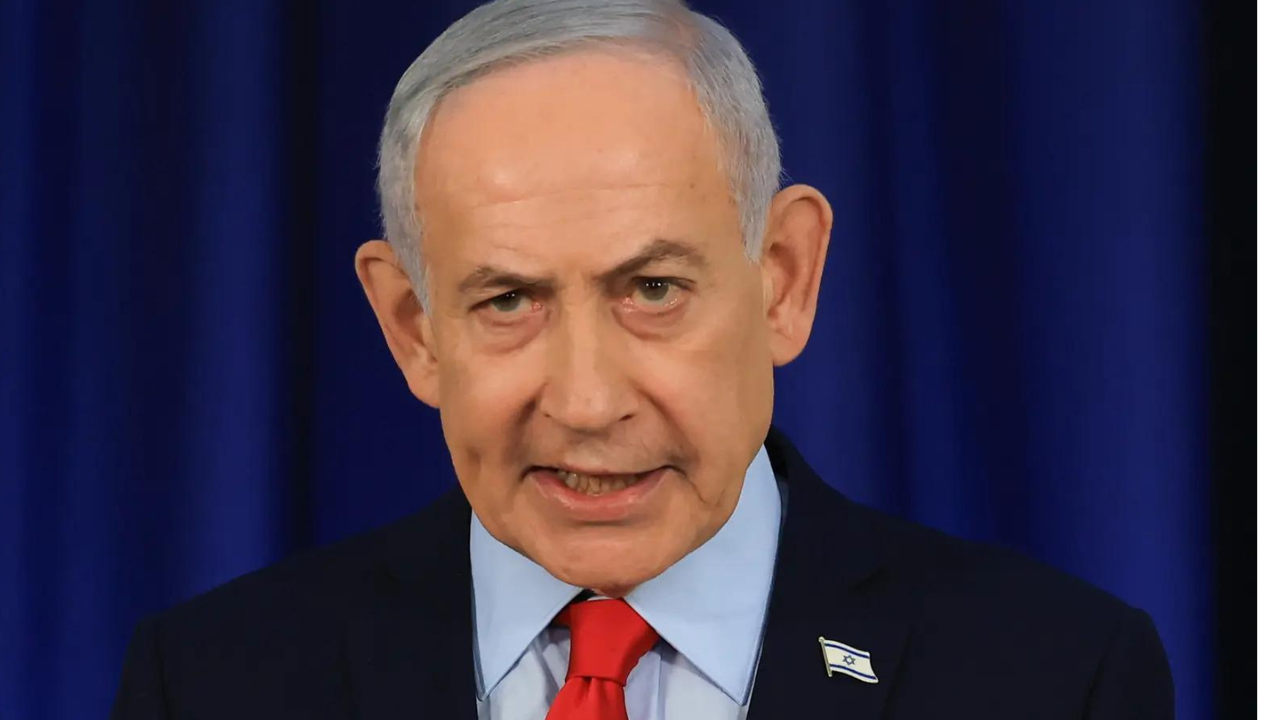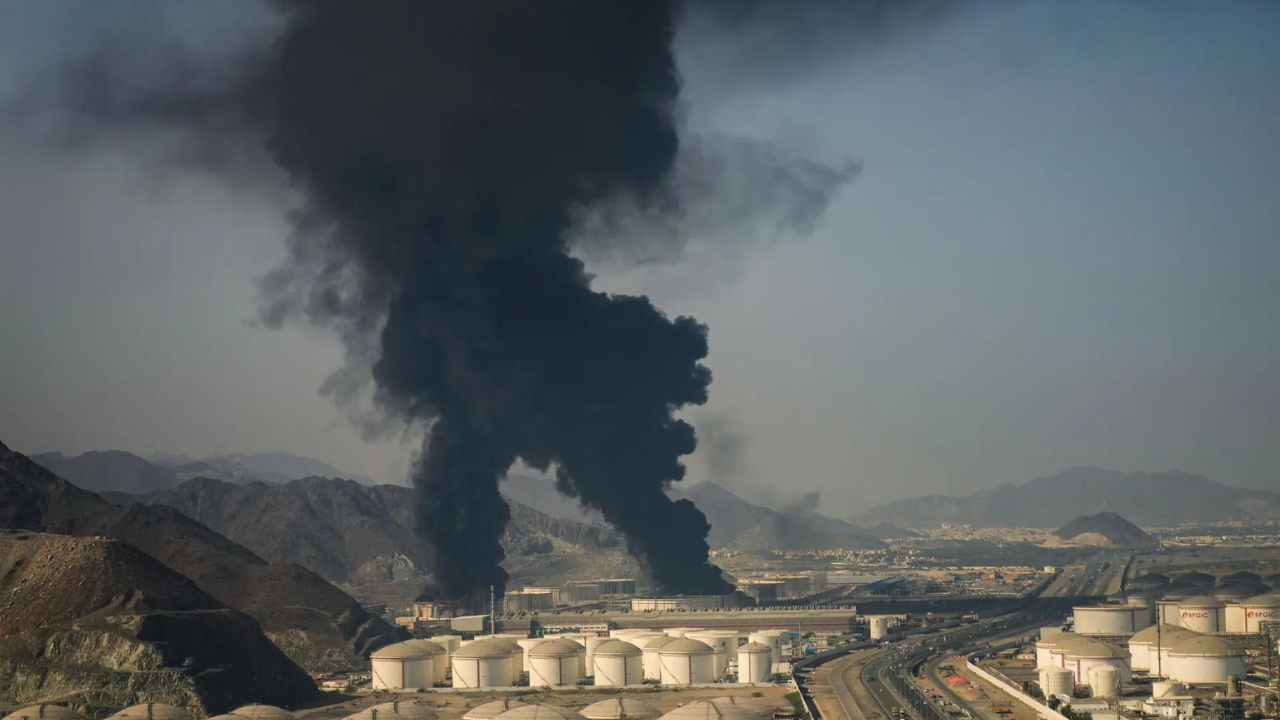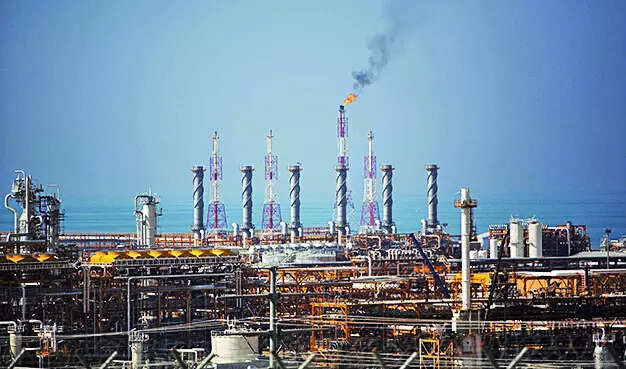
The explosion at the South Pars gas field on Wednesday didn’t just ignite a physical fire on the Iranian coast; it torched the remaining credibility of the Trump administration’s claim to be a passive observer in the accelerating energy war. While President Donald Trump took to social media to insist that the United States "knew nothing" about the Israeli strike on the world’s largest natural gas reservoir, the geopolitical reality on the ground suggests a much more calculated—and dangerous—stratagem. By publicly distancing Washington from the strike while simultaneously threatening to "massively blow up" the rest of the field if Iran continues its retaliation against Qatar, the White House is attempting to play both the arsonist and the fire department.
This is not a simple case of a rogue ally "lashing out." The strike on the Asaluyeh processing hub, which knocked out roughly 14% of Iran's domestic gas output, marks a fundamental shift in the 20-day-old conflict. For the first time, the "red line" surrounding upstream energy production has been erased. The subsequent Iranian missile strikes on Qatar’s Ras Laffan Industrial City and Saudi Arabia’s SAMREF refinery prove that Tehran is no longer interested in symmetric warfare. They are now targeting the global economy’s jugular.
The Coordination Contradiction
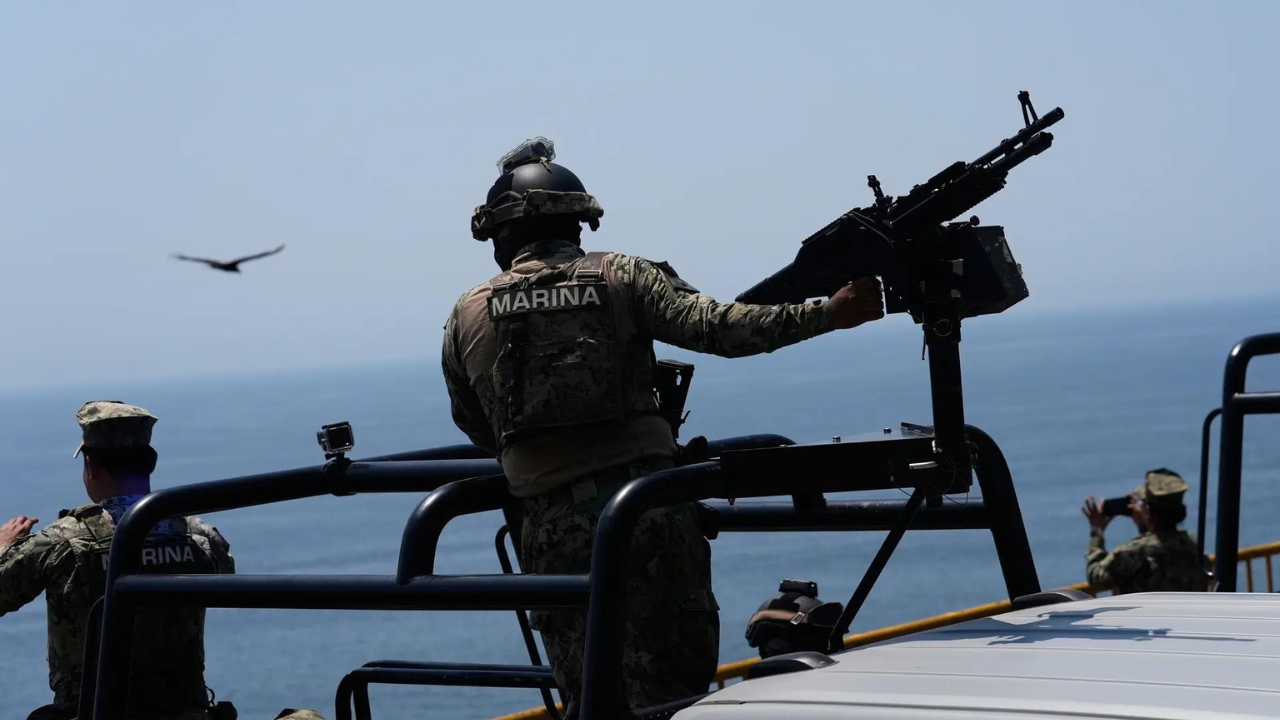
The administration’s "surprise" at the Israeli operation is a tough sell for anyone who understands the integrated nature of modern theater command. U.S. and Israeli forces are currently operating under a joint air traffic control framework as part of the broader campaign against Iran. To suggest that a formation of Israeli jets could transit contested airspace and strike a target of this magnitude without U.S. Central Command (CENTCOM) noticing is, at best, a fantasy.
Intelligence insiders and Israeli officials have already begun to poke holes in the official narrative. While Trump maintains that Israel acted "out of anger" and without consultation, reports from within the Israeli defense establishment indicate the strike was discussed, if not explicitly green-lit, as part of a strategy to degrade Iran’s internal stability. Natural gas provides 80% of Iran’s power generation. By hitting South Pars, the objective wasn't just to destroy a facility; it was to trigger a domestic electricity crisis that would turn the Iranian population against a leadership already reeling from the loss of its top figures.
The president’s rhetoric serves a specific purpose. By denying involvement, he attempts to shield American assets in the Gulf—specifically the massive Al Udeid Air Base in Qatar—from being the primary targets of Iranian ballistic missiles. It is a thin veil. Iran’s Revolutionary Guard (IRGC) has already demonstrated they view the shared reservoir of South Pars as a single, unified battlefield. If their half of the field burns, they have made it clear that the Qatari side, the North Field, will follow.
Qatar’s Impossible Position
Qatar finds itself trapped in the most precarious position in its history. As the world’s third-largest exporter of liquefied natural gas (LNG), Doha is the linchpin of global energy security. It also happens to share the South Pars reservoir with the very country currently being pummeled by its closest security partner, the United States.
The Iranian strikes on Ras Laffan have already forced a suspension of production that could last three to five years. This isn't just a regional headache; it is a global catastrophe. When Qatar goes dark, the supply chain for LNG to Europe and Asia effectively collapses. Trump’s defense of Qatar as "very innocent" ignores the decades of complex "frenemy" diplomacy Doha has maintained with Tehran to ensure the smooth extraction of gas from their shared field. That era of delicate balance is over.
The Weaponization of the Reservoir
The physical mechanics of the South Pars field make it a nightmare for military planners. The wells operate at pressures between 300 and 400 bar. A direct hit on a wellhead doesn't just stop production; it risks an uncontrollable methane blowout.
- Methane Release: A major breach could release more greenhouse gases in a month than most industrialized nations emit in a year.
- Pressure Collapse: Aggressive strikes could permanently damage the geological integrity of the reservoir, making future extraction impossible for both Iran and Qatar.
- Regional Fallout: The toxic smoke from previous hits on Tehran’s oil depots has already caused "black rain." A full-scale destruction of South Pars would be an environmental disaster on a planetary scale.
The Strategy of Incremental Destruction
The Trump administration’s current posture is a high-stakes "game of chicken" with the global economy as the collateral. The logic appears to be an escalation of "maximum pressure" taken to its ultimate military conclusion. By allowing Israel to strike Iranian infrastructure while the U.S. focuses on "disabling" the Iranian navy and missile program, the alliance is squeezing Tehran from both ends.
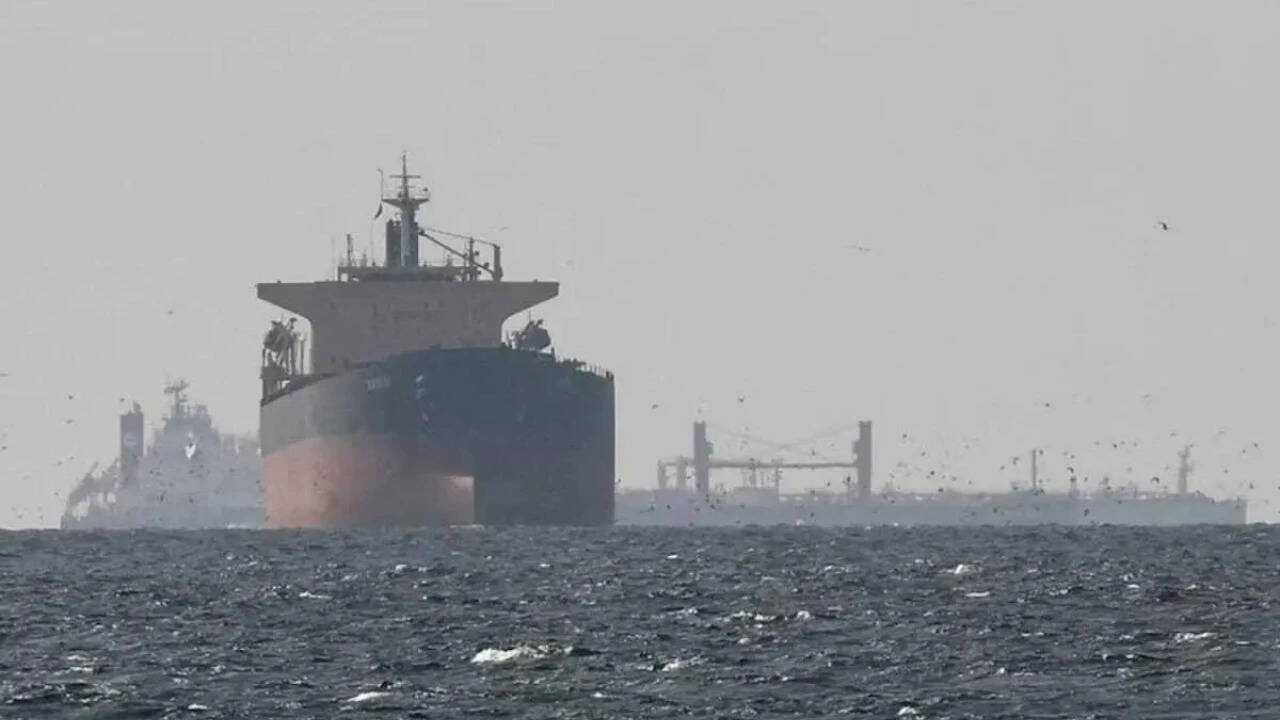
However, the assumption that Iran will simply fold under the threat of "massive destruction" ignores the regime's current desperation. With the Strait of Hormuz effectively closed and its domestic energy grid failing, Tehran may decide that if it cannot export or use its energy, no one else will. The retaliatory strikes on the UAE’s Habshan gas facilities and Saudi Arabia’s Red Sea infrastructure show a willingness to burn the entire neighborhood down.
Markets in Freefall
Wall Street’s reaction has been swift and unforgiving. Brent crude has surged past $112 per barrel, and LNG spot prices have nearly doubled in 48 hours. The Trump administration’s campaign promise to lower energy costs is being shredded by the realities of a hot war in the world’s most sensitive energy corridor.
The "Ratepayer Protection Pledge" and other domestic policy maneuvers are irrelevant when the global supply of LNG is being physically interdicted. The current crisis has exposed the fatal flaw in the "energy dominance" doctrine: you cannot dominate a market that is literally on fire.
The path forward is now dictated by a binary choice. Either the U.S. successfully deters Iran through the threat of total infrastructure annihilation, or the conflict enters a terminal phase where the world’s largest energy reserves become permanent "no-go" zones. There is no middle ground left. The fires at Asaluyeh are still burning, and as long as they do, the fiction of American non-involvement will continue to provide less and less cover for the chaos to come.
The next 48 hours will determine if the "massive" retaliation Trump threatened becomes a reality or if a back-channel mediation can prevent the permanent loss of the Gulf's energy output.
Would you like me to analyze the projected impact of a five-year Qatari LNG outage on European heating markets for the winter of 2026?