Most people think they’ve seen the best of the ocean after a week in the Maldives or a boat trip around the Great Barrier Reef. They’re wrong. If you haven't put a mask on in the waters of Southwest Papua, you’re missing the biological engine room of the planet. We’re talking about the heart of the Coral Triangle. This isn't just another tropical getaway with nice sunsets. It’s a raw, high-voltage encounter with nature that makes everywhere else look like a backyard pond.
Southwest Papua became Indonesia’s 38th province in late 2022. While the administrative lines are new, the ecosystem is ancient. This region governs the Raja Ampat archipelago, a name that carries weight among serious divers and conservationists. You don’t come here for high-speed Wi-Fi or paved roads. You come here because 75% of the world’s known coral species live in these waters. That's a staggering statistic that sounds fake until you're floating over a single reef system that holds more fish species than the entire Caribbean Sea.
The Epicenter of Marine Evolution
Scientists call this place a "species factory." It’s not a marketing slogan. The Convergence of the Pacific and Indian Oceans creates a unique pressure cooker of nutrients and currents. This flow, known as the Indonesian Throughflow, pumps massive amounts of water through the Dampier Strait. It brings life. It brings food. It creates a chaotic, beautiful mess of biodiversity that doesn't exist anywhere else on Earth.
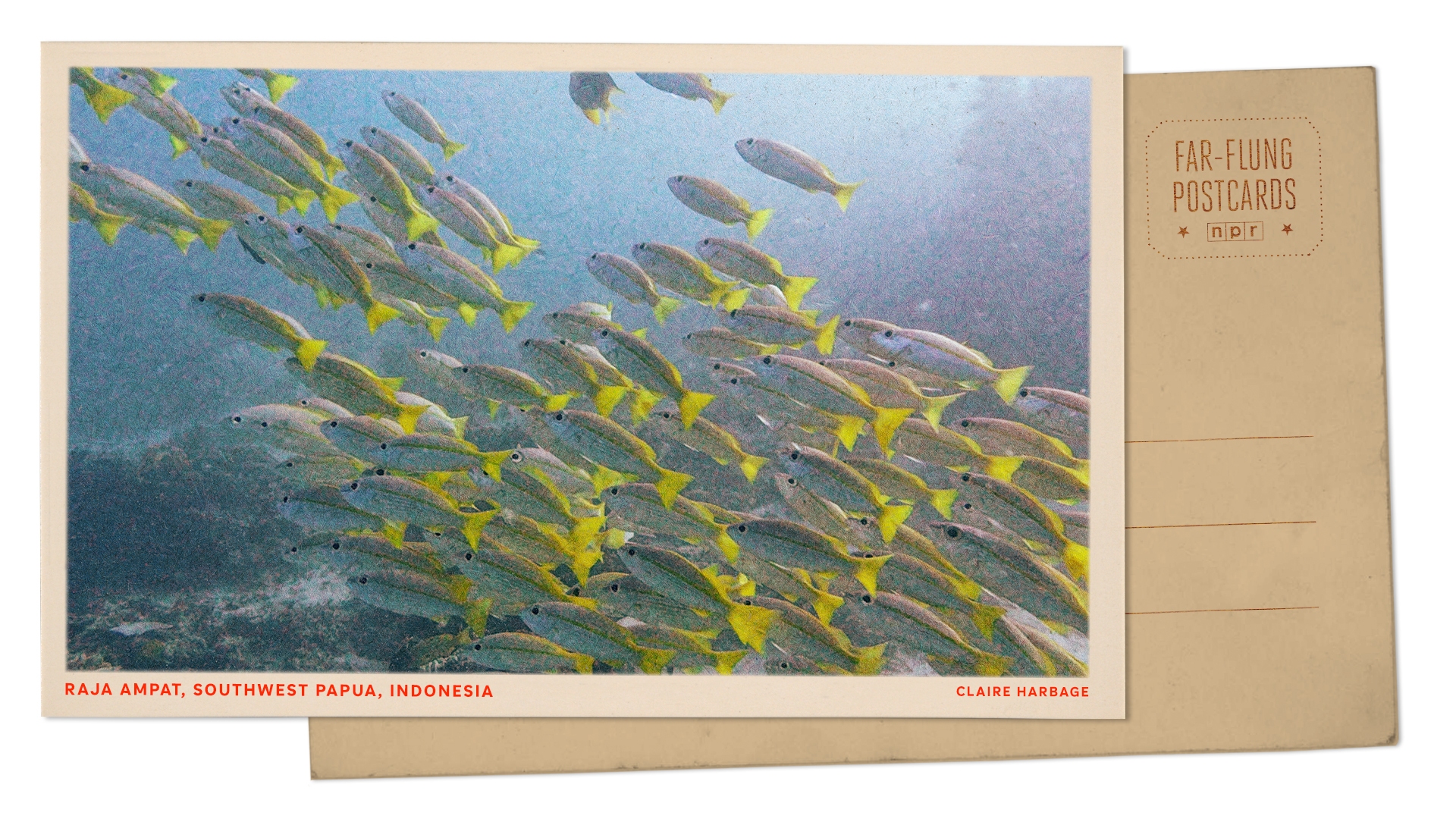
When you drop into the water at a site like Cape Kri, you aren't just looking at fish. You're witnessing a record-breaking density of life. In a single dive, Dr. Gerald Allen famously counted 374 different species of fish. Think about that. You can’t even name 374 species of fish, yet they’re all hanging out on one corner of a reef in Southwest Papua.
The coral isn't just colorful; it's resilient. While reefs across the globe are bleaching and dying due to rising sea temperatures, the corals here seem to have a higher heat tolerance. Researchers from the University of Queensland and local Papuan universities are studying these "super corals" to see if they hold the genetic secrets to saving reefs in other parts of the world. Southwest Papua isn't just a museum of the past. It’s a laboratory for the future of our oceans.
Bird of Paradise and the Jungle Interior
It’s easy to get obsessed with the water, but the terrestrial side of Southwest Papua is equally wild. The mainland and the larger islands like Waigeo and Misool are covered in primary rainforest. This is the land of the Wilson’s Bird of Paradise and the Red Bird of Paradise. These birds don't just fly; they perform elaborate, almost psychedelic dances to attract mates.
You have to wake up at 4:00 AM to see them. You’ll trek through thick mud and listen to the forest wake up. It’s loud. It’s humid. It’s perfect. Seeing a Wilson's Bird of Paradise—with its turquoise crown and crimson feathers—is a bucket-list moment for anyone who gives a damn about the natural world. Most travelers ignore the forest because they’re focused on the mantas, but that’s a mistake. The connection between the healthy forest and the healthy reef is absolute. The mangroves here act as nurseries for the very fish you see on the outer reefs. If the forest goes, the reef follows.
The Reality of Conservation and Local Ownership
Don't let the glossy photos fool you into thinking this is an untouched paradise. It’s a managed one. The success of Southwest Papua’s marine protected areas (MPAs) is built on the backs of local communities. For decades, destructive fishing practices like dynamite and cyanide fishing threatened to wipe everything out.
The shift happened when the focus moved to community-led conservation. The Misool Marine Reserve is a prime example. They turned a former shark finning camp into a world-class conservation center. They employ local rangers—some of whom used to be shark finners themselves—to patrol the waters. Shark populations have since rebounded by 25 times. This isn't charity. It's a business model where the local people realize a living shark or a healthy reef is worth more than a dead one.
You’ll pay a "Tarif Layanan Lingkungan" (Environmental Service Fee) when you enter the Raja Ampat park system. Don't complain about the cost. That money funds the patrols and the community programs that keep the illegal trawlers away. Without it, this place would be a graveyard within five years.
Navigating the Logistics of the Edge of the Map
Getting here is a pain. There’s no point in sugarcoating it. You’ll likely fly into Sorong, the provincial capital. Sorong is a gritty, industrial port city that smells like diesel and salt. It’s the jumping-off point. From there, you take a ferry or a private boat to the islands.
If you want the full experience, you stay on a liveaboard boat. These are often traditional Indonesian Phinisi schooners—hand-built wooden vessels that look like they belong in a history book but come equipped with dive compressors and en-suite cabins. You wake up in a new bay every morning. You dive four times a day. You eat, sleep, and breathe the ocean.
For those who prefer land, homestays are the way to go. You’ll stay in a hut over the water. The floorboards might have gaps where you can see the fish swimming below. It's basic. You'll eat a lot of rice, fish, and greens. But you'll be sitting on a pier at midnight watching walking sharks (Hemiscyllium freycineti) prowl the shallows. You don't get that at a Hilton.
Why You Need to Go Now
The world is changing. Southwest Papua is currently in a "Goldilocks" zone. It has enough infrastructure to be accessible but not enough to be ruined. However, the new provincial status means more development is coming. More roads. More airports. More people.
There's a delicate balance here. We want the local economy to grow, but we don't want the "Bali-fication" of the last wild corner of Indonesia. The best way to support the region is to visit with a focus on low-impact travel. Choose operators who employ locals. Skip the big resorts that ship in all their food from Jakarta.
Practical Steps for the Conscious Traveler
If you’re serious about seeing the richest marine biodiversity on the planet, stop looking at brochures and start planning the logistics.
- Timing is everything. Visit between October and April for the best diving conditions in the northern and central areas. If you're heading south to Misool, July and August can be brutal with the monsoon winds, so plan accordingly.
- Gear up properly. Bring your own mask and computer. Rental gear in remote areas is hit or miss. More importantly, bring reef-safe sunscreen. The chemicals in standard sunblock kill the very coral you're coming to see.
- Pack out your trash. Waste management in Southwest Papua is basically non-existent. If you bring plastic bottles or batteries, take them back to Sorong or, better yet, back home.
- Learn the basics. A few words of Bahasa Indonesia go a long way. "Terima kasih" (thank you) and "Sama-sama" (you're welcome) will open doors and smiles that money can't buy.
Book a flight to Sorong. Get on a boat. Get in the water. Everything else is just noise.