The "special relationship" has always been a bit of a convenient myth, a bit of political theater used to keep spirits high when the world gets messy. But right now, that theater is looking pretty dilapidated. A new wave of polling suggests the bond between the UK and the US is hitting a historic low point, and it’s not hard to see why. The ongoing conflict with Iran has acted like a sledgehammer to the foundations of the Transatlantic alliance.
Honestly, it’s about time we stopped pretending everything is fine. You can’t have a "special" partnership when one side starts a war that the other side’s public finds deeply dangerous. For a different perspective, check out: this related article.
Why the US Iran strategy is poisoning the well in Britain
The numbers don't lie. Recent data from Ipsos shows that just 29% of people in Britain actually believe a "special relationship" exists anymore. That’s a staggering drop from even just a few months ago. When you dig into the reasons, it’s clearly about the bombs. Over half of the British public—56% to be exact—disapprove of the US military strikes on Iran.
Contrast that with the US, where disapproval is significantly lower. We’re seeing a massive values gap opening up across the Atlantic. While Donald Trump frames these strikes as a way to "annihilate" threats, most people here see a reckless escalation that puts us all at risk. In fact, 55% of Britons believe this conflict makes them less safe at home. They aren’t worried about distant geopolitics; they’re worried about terror attacks on the streets of London and Manchester. Similar coverage on the subject has been shared by The New York Times.
It’s the economy, stupid
Forget high-minded talk of democracy for a second. The real reason the special relationship is on the rocks is much closer to home: the wallet.
- Fuel prices: 84% of Britons are losing sleep over energy costs.
- Household finances: 74% expect the Iran conflict to hit their personal bank accounts.
- The wider economy: 77% think the long-term impact on the global economy will be a disaster.
People are already feeling the pinch at the petrol pump, with nearly 70% of those impacted citing higher fuel costs as their biggest headache. When the US takes unilateral action that makes it harder for a family in Leeds to afford their heating bill, that "special" bond starts to feel like a very expensive burden.
Starmer’s delicate dance with a volatile Trump
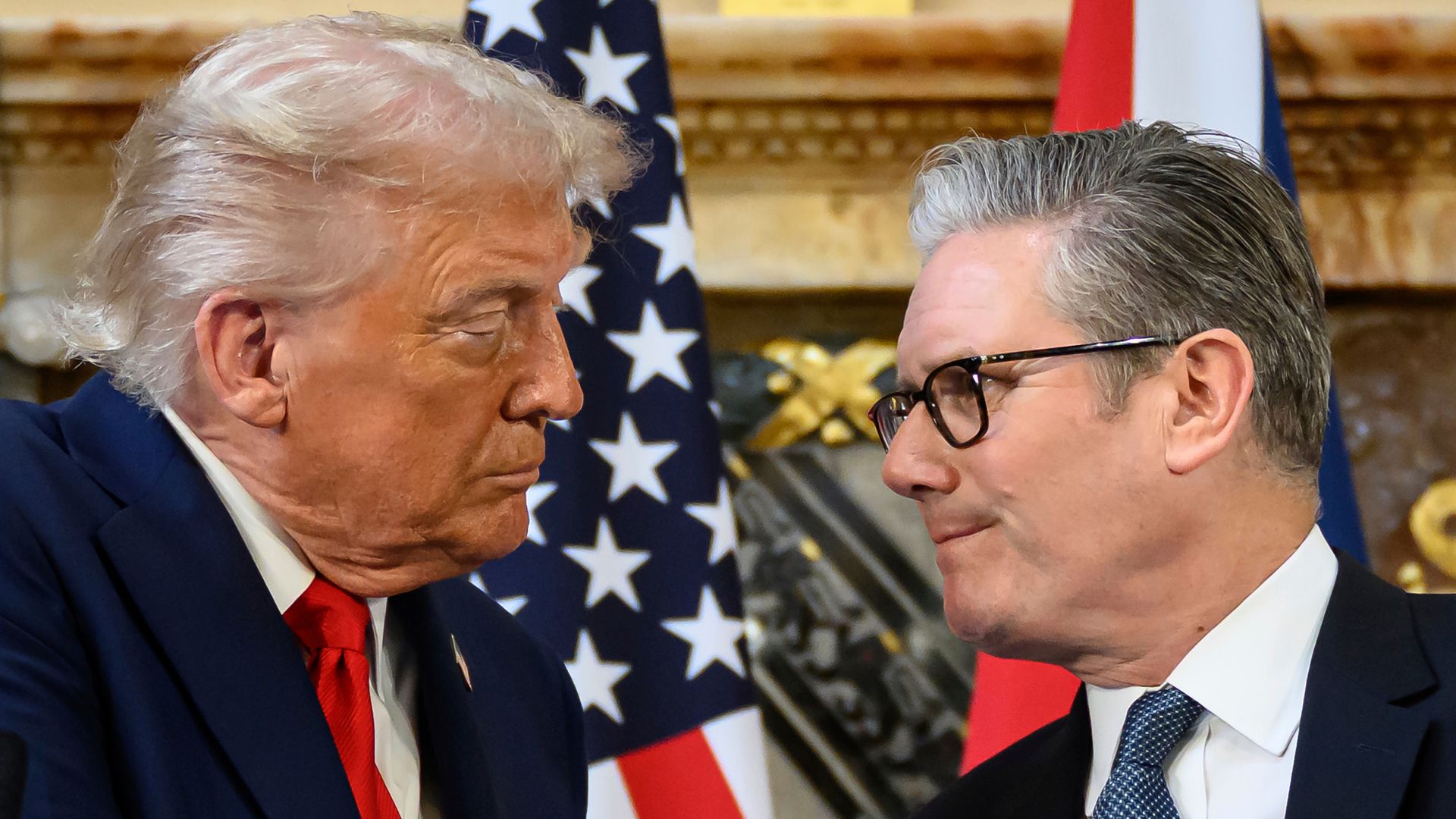
Keir Starmer is in an impossible position. He’s trying to keep the lights on and the country safe while dealing with a US President who isn't exactly known for his subtlety. Trump has already lashed out at Starmer on Truth Social, calling him out for not being "supportive enough" of the military campaign.
But Starmer is actually following the public’s lead here. The UK government’s refusal to allow the US to use British bases for the initial wave of strikes wasn't just a tactical choice; it was a reflection of the fact that 59% of voters opposed the conflict from the start.
The base problem
The issue of military bases is a flashpoint. While Starmer eventually allowed "limited defensive" use of bases like RAF Fairford and Diego Garcia to intercept missiles, the public remains incredibly skeptical.
- 50% of Britons oppose letting the US launch strikes from UK soil.
- Only 16% support sending British troops to the Middle East to fight alongside the US and Israel.
This isn't the 2003 Iraq era. The "shoulder to shoulder" rhetoric is dead. Britain has no appetite for another "forever war" in the desert, especially one led by a White House that seems to be making it up as it goes along.
The ceasefire that solved nothing
We’ve seen a ceasefire announced recently, brokered by Pakistan. Everyone is breathing a sigh of relief, but nobody should be celebrating. The underlying issues haven't moved an inch. Iran hasn't re-opened the Strait of Hormuz, and their nuclear program remains a giant question mark.
What this conflict has done is show the UK that its interests and America’s interests are no longer naturally aligned. Trump wants regime change; Britain wants stability and affordable gas. Those two things are currently in direct opposition.
A fractured domestic front
It’s worth noting that the UK isn't even united on this. Reform UK and Tory voters are much more likely to back the US strikes (around 53% and 49% respectively). Meanwhile, Labour, Lib Dem, and Green voters are overwhelmingly against them. The "special relationship" is becoming another weapon in our own internal culture wars.
When a foreign policy issue becomes this partisan, it’s hard for any Prime Minister to claim they’re speaking for the whole country when they meet the US President. It makes us look weak and divided on the world stage.
Stop overthinking the diplomacy and look at the facts
The reality is that the UK is slowly drifting away from the US orbit and closer to our European neighbors who share our skepticism of military adventurism. We’re seeing a shift where the "special relationship" is being replaced by a more transactional, wary partnership.
If you’re waiting for things to go back to "normal," you’re going to be waiting a long time. The Iran war didn’t just break the relationship; it revealed how broken it already was.
What you should do next:
- Watch the Islamabad talks: The Friday meetings will tell us if this ceasefire is a real path to peace or just a tactical pause.
- Monitor fuel prices: If the Strait of Hormuz remains restricted, expect your energy bills to stay high regardless of what happens in the war zone.
- Pressure your MP: If you’re concerned about the use of British bases, now is the time to make that known before the next escalation.
The special relationship might not be dead, but it’s certainly in intensive care. And for many in Britain, it’s hard to find a reason to keep the life support running.