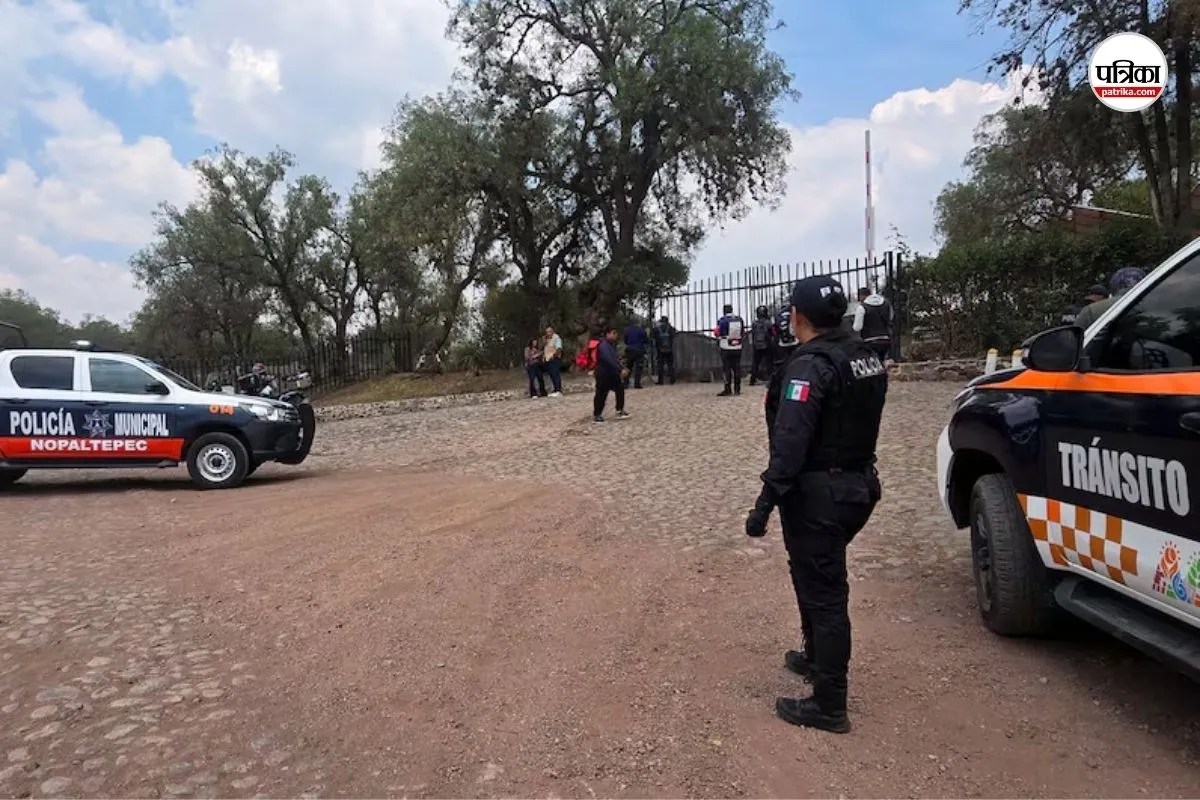
The headlines are predictable. They follow a script written in the ink of shallow empathy and lazy reporting. A shooting in a Mexican beach town, a Canadian woman caught in the crossfire, five others bleeding out on a sidewalk. The narrative frame? A "senseless tragedy" or a "freak accident" in a tropical paradise.
That framing is a lie. It is a comforting fiction designed to keep the tourism gears grinding while ignoring the brutal mechanics of risk management. Don't forget to check out our previous article on this related article.
Most travel writing treats safety as a binary state—either a place is "safe" or it isn't. This is the first mistake. Safety is not a static condition; it is a dynamic negotiation between your behavior and the local power structures. When you treat a high-stakes zone like Quintana Roo or Guerrero as a consequence-free playground, you aren't a victim of bad luck. You are a participant in a high-variance gamble you didn't bother to study.
The Myth of the Innocent Bystander
Mainstream media loves the "innocent bystander" trope because it evokes maximum outrage. While the victim in this specific Canadian case wasn't the target, the term "innocent" often masks the systemic negligence of the traveler. To read more about the background of this, National Geographic Travel provides an excellent summary.
I have spent fifteen years navigating high-risk zones, from the backstreets of Medellín to the disputed territories of Southeast Asia. The scars on my career don't come from being in the "wrong place at the wrong time." They come from realizing that there is almost no such thing as a "wrong place" if you understand the local hierarchy of violence.
In Mexico, the violence isn't random. It is professional, targeted, and localized. When a shooting breaks out in a bar at 2:00 AM, it isn't a glitch in the system. It is the system functioning exactly as intended. The cartel presence in tourist hubs isn't a secret; it’s the infrastructure. If you find yourself in a venue where illicit trades are the primary revenue stream, you have waived your right to be surprised when the bill comes due in lead.
The Colonial Gaze and the Safety Fallacy
Westerners travel with an invisible shield of perceived exceptionalism. We assume that because we paid $400 a night for a resort, the reality of the host country shouldn't be allowed to touch us. We demand "authenticity" until that authenticity includes the territorial disputes of the people who actually live there.
This mindset creates a dangerous blind spot.
Travelers often ignore the most basic indicators of escalating tension because they are too busy chasing the perfect sunset photo. They see a heavy military presence and think "I'm protected," rather than asking "Why is the Navy patrolling a beach?"
Let's dismantle the "Travel Advisory" obsession. Governments issue these warnings to cover their legal liabilities, not to provide nuanced ground intelligence. A "Level 2: Exercise Increased Caution" rating is useless. It tells you nothing about which specific blocks are contested or which taxi unions are currently at war with rideshare drivers. Relying on a government website for your safety is like using a weather app from three weeks ago to decide if you need an umbrella today.
The Geography of Risk
You want to survive Mexico? Stop looking at the country as a monolith and start looking at the micro-geography of the street.
The tragedy involving the Canadian tourist happened because the barrier between the "tourist zone" and the "conflict zone" has evaporated. In places like Tulum or Playa del Carmen, the gentrification of nightlife has pushed high-end clubs directly into the path of local turf wars.
- The Midnight Rule: Nothing good happens in a Mexican coastal town after midnight. The demographic of the street shifts. The police presence becomes more transactional. If you are still out, you are increasing your exposure to high-variance events by 400%.
- The Luxury Trap: High-end resorts often provide a false sense of security. They are soft targets. They attract the very people—wealthy, distracted, and often looking for "extras"—that draw cartel attention.
- The Intelligence Gap: Most travelers don't know how to read the "vibe" of a room. Are the locals suddenly leaving? Is the music too loud for a Monday? Are there men standing by the exits who aren't staff? If you can't spot these things, you shouldn't be off the resort property.
Why Your "Prayers for Mexico" Are Insulting
Every time a foreigner dies, the international community erupts in a brief cycle of mourning and travel boycotts. Then, three weeks later, the flights are full again.
This cycle is parasitic. We want the cheap tequila and the turquoise water, but we refuse to acknowledge our role in the economy of violence. The demand for party drugs in these tourist corridors is what fuels the very shootings we lament. You cannot buy "party favors" on Friday and act shocked when there is a shootout on Saturday. You are the financier of the bullet that hit the bystander.
The "contrarian" truth is that Mexico is remarkably safe for those who respect the rules of the environment. If you move with intent, avoid the drug economy, and stay aware of the shifting local dynamics, your statistical risk is negligible. But if you treat a sovereign nation with complex internal conflicts as your personal, consequence-free theme park, you are essentially walking through a minefield and blaming the mines when they work.
Stop Asking if it’s Safe
The question "Is Mexico safe?" is a stupid question. It’s the wrong question. It’s a question for people who want a guarantee that life doesn't provide.
The right question is: "Do I have the situational awareness and local intelligence to navigate this specific environment at this specific time?"
If the answer is no, stay in your suburban bubble.
Travel isn't just about consumption; it’s about risk management. The Canadian woman’s death isn't a reason to stop traveling to Mexico. It’s a reason to stop traveling like an amateur. It’s a reason to stop pretending that your passport is a bulletproof vest.
The world is jagged. It has sharp edges. Stop crying when you get cut because you insisted on running through it blindfolded.
Check the ego. Read the room. Or stay home.