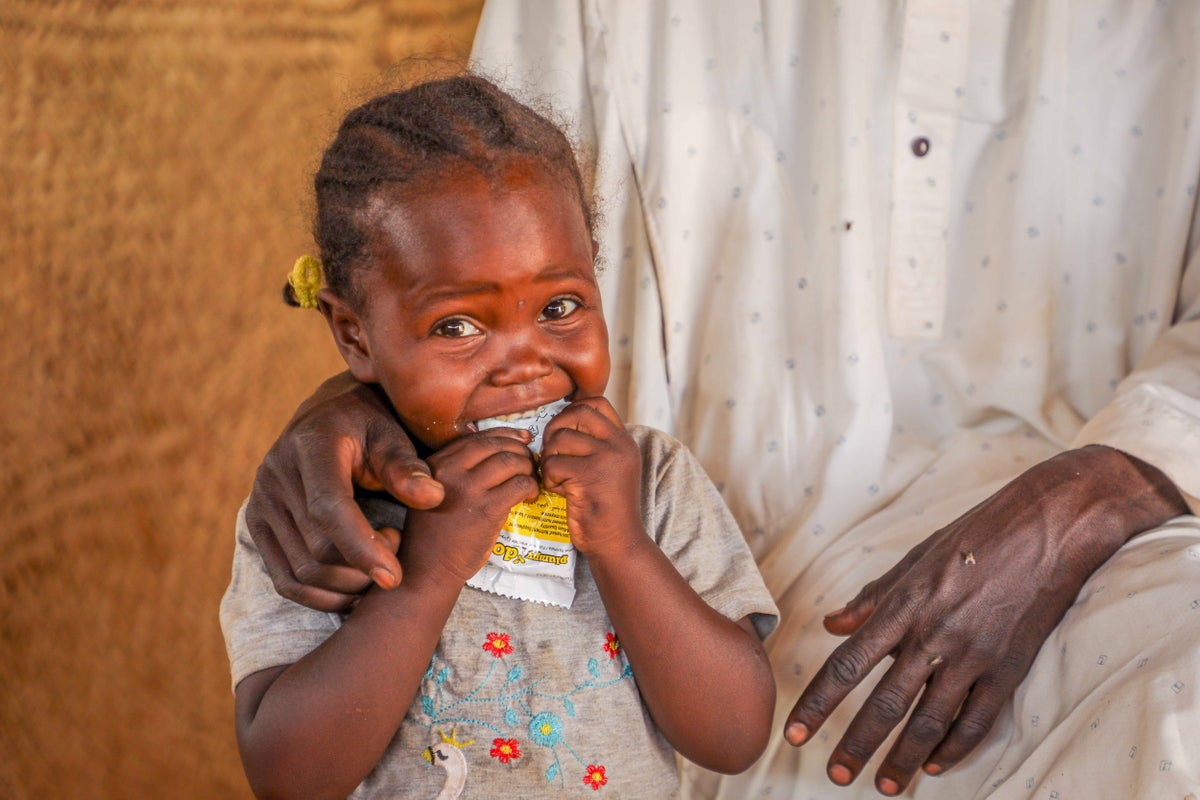
The headlines are predictable. They focus on the thermometer. 50°C. Searing heat. Dust. Desperation. This is the standard "misery porn" cycle that international media feeds on whenever the Sahel burns. It creates a narrative where the climate is the primary antagonist and the people are merely passive victims of a thermometer.
It is a lie.
The heat in Sudan is a constant, but the suffering is a choice—specifically, a series of geopolitical and logistical choices made by an aid industry that values optics over infrastructure. If you think the biggest threat to a Sudanese refugee is a hot afternoon, you have been sold a surface-level story. The real killer isn't the sun; it’s the systemic refusal to treat the displaced as economic actors rather than charity cases.
The 50C Distraction
Media outlets love the "50 degrees" hook because it feels visceral. It implies that the climate has reached an uninhabitable peak, making the situation "unprecedented."
History tells a different story. People have lived, traded, and built empires in the Nile Basin for millennia under these exact conditions. The crisis isn't the temperature; it’s the total collapse of the supply chain and the weaponization of basic survival. When a competitor writes about "little food and water," they are describing a symptom of a logistical blockade, not a natural disaster.
The obsession with the weather allows local warlords and international agencies to sidestep the real question: Why is a bottle of water 500% more expensive in a camp than it is fifty miles away? The answer isn't "global warming." It’s "market failure by design."
The Aid Industrial Complex is a Bottleneck
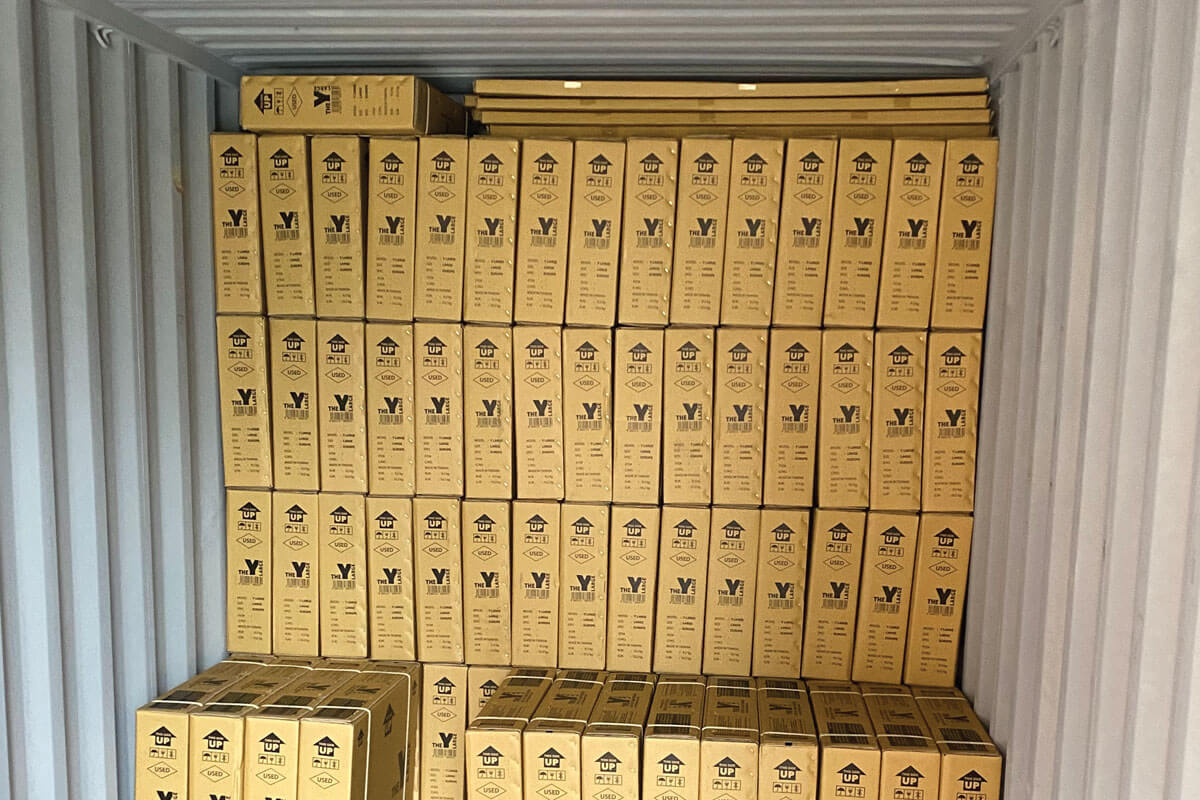
I have spent years watching the gears of international relief grind to a halt. I’ve seen warehouses full of grain rot while bureaucrats argue over truck permits. The current model of "emergency response" is built on a 1945 mindset: fly in supplies, hand them out, and take photos of people in lines.
This model is dead. It’s also incredibly inefficient.
- Shipping costs: It costs more to ship a ton of flour from the Midwest to Port Sudan than the flour itself is worth.
- Market destruction: Dumping free goods into a conflict zone destroys what’s left of the local economy. Why would a Sudanese farmer plant crops when the UN is handing out bags of grain?
- The Dependency Trap: We treat refugees like biological units that need input (calories) rather than humans who need agency.
Instead of debating how many liters of water a person needs to survive 50°C, we should be asking why we aren't funding decentralized water purification startups run by the refugees themselves.
The Logistics of Agony
In a conflict zone, logistics is the only thing that matters. The current narrative suggests that food is "scarce." In reality, food is usually sitting in a port or a warehouse nearby. It is "scarce" because moving it requires navigating a gauntlet of "fees," "taxes," and "protection money" demanded by the Sudanese Armed Forces (SAF) and the Rapid Support Forces (RSF).
By focusing on the "struggle to survive" the elements, we ignore the fact that the international community is essentially subsidizing the war. When we pay "handling fees" to move aid through controlled territories, we are directly funding the ammunition that created the refugees in the first place.
If we were serious about the 50°C heat, we wouldn’t be talking about tents. Tents are ovens. They are made of synthetic materials that trap heat and degrade in the sun within months. We should be talking about passive cooling architecture and rapid-press earth blocks. But those solutions don't look as good on a "Donate Now" landing page as a row of branded blue tents.
Stop Treating Water Like Charity
"Little water" is a choice. Sudan sits atop the Nubian Sandstone Aquifer System, one of the largest groundwater reservoirs on the planet. The water is there. The problem is the power required to get it out.
The standard response is to truck in water. This is the most expensive, least efficient way to solve the problem. A single truck can be hijacked, broken down, or taxed into oblivion. A solar-powered pump at a wellhead is a permanent asset.
Why isn't every refugee camp in the border regions a massive solar farm? Because solar panels require capital investment and long-term planning, and the aid world is addicted to "emergency" spending. Emergency spending is easy to justify to donors; infrastructure looks too much like "nation-building," a term that has become a dirty word in the West.
The Economic Ghost Town
Let’s talk about the "struggle." The struggle isn't just physical; it’s the indignity of enforced idleness. We have millions of people with skills—doctors, engineers, farmers, and traders—sitting in the heat waiting for a handout.
This is a massive waste of human capital. A contrarian approach would involve:
- Digital Liquidity: Stop giving out sacks of rice. Give out digital cash via mobile networks. Let the refugees buy what they need from local merchants. This creates a "demand" signal that forces supply chains to reopen.
- Special Economic Refugee Zones: Treat these camps as temporary cities. Allow residents to start businesses, trade across borders, and generate their own income.
- Microsolar Grids: Instead of massive, centralized power projects that take years, deploy "grid-in-a-box" solutions that can power cold storage for medicine and food.
The Brutal Reality of "Saving" Lives
The truth that nobody admits is that the current humanitarian model is designed for short-term fixes to long-term political failures. By focusing on the "heat" and the "lack of food," we are treating a gunshot wound with a Band-Aid.
The 50°C temperature isn't the problem. The problem is that we have trapped millions of people in a geographical and economic no-man's-land where they are legally prohibited from helping themselves.
If you want to help Sudan, stop looking at the thermometer. Look at the balance sheets. Look at the shipping manifests. Look at the laws that prevent a refugee from opening a bank account or a shop.
The sun will go down at the end of the day. The systemic incompetence of the aid industry, however, stays high in the sky.
Stop funding the heat-wave narrative. It’s a smokescreen for a lack of political will.
Fund the tools of autonomy. Fund the pumps. Fund the digital networks. Or stop pretending that you’re doing anything more than watching people suffer in high definition.