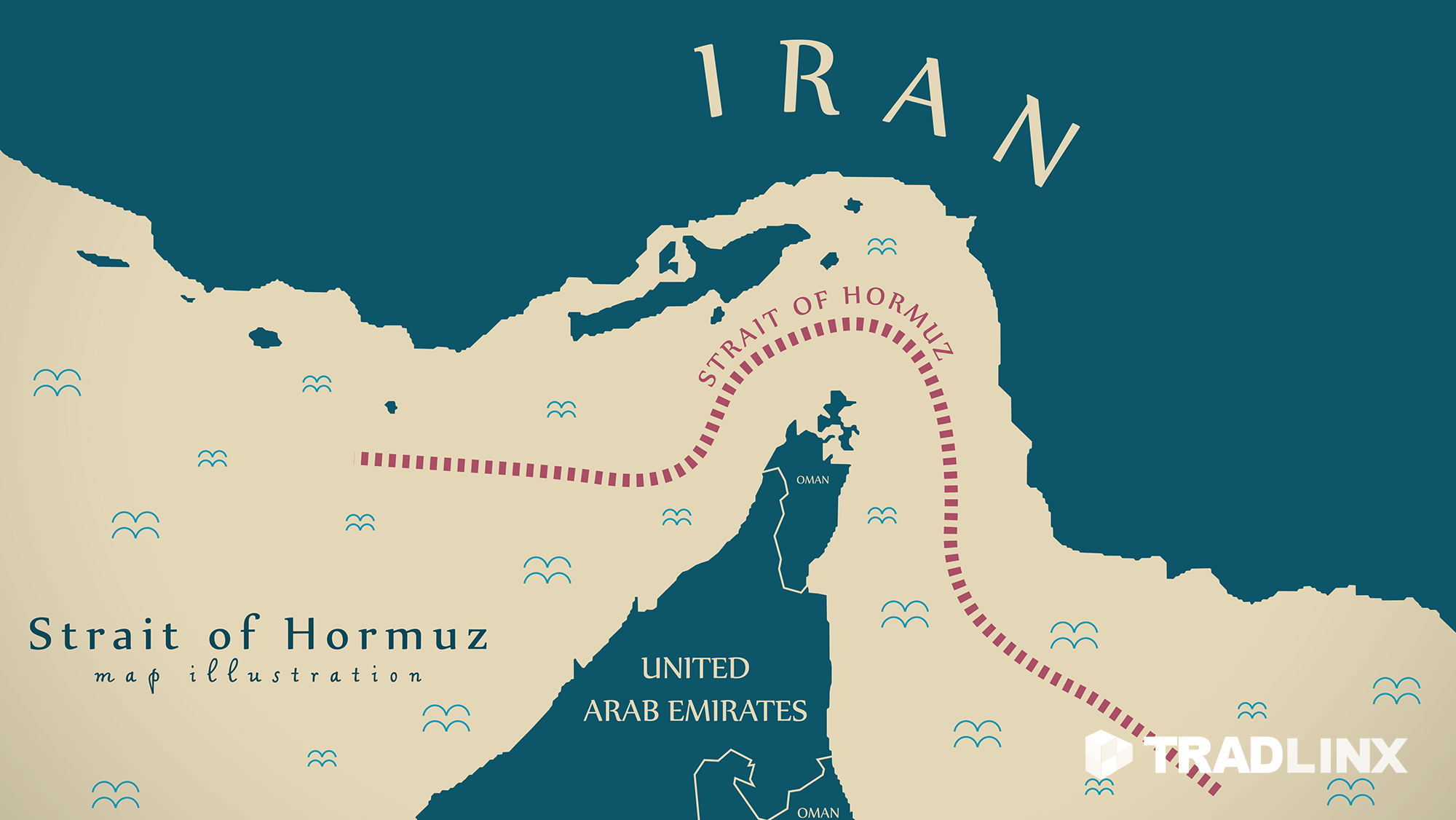
The global economy is currently holding its breath. If you've looked at energy prices lately, you already know why. The Strait of Hormuz, a narrow stretch of water that usually handles 20% of the world's oil, is effectively a no-go zone. On March 19, 2026, a coalition of 20 nations—including the UK, France, Japan, Germany, and Canada—released a joint statement condemning Iran’s "de facto" closure of the waterway. It isn't just another diplomatic finger-wagging exercise. It's a signal that the West and its allies are preparing for a massive maritime escort operation to break a blockade that has already stranded 20,000 seafarers.
The Blockade is Hitting Harder Than Expected
Most people think of these geopolitical spats as distant noise. They aren't. Since the conflict erupted on February 28, 2026, following US and Israeli strikes on Iran, the situation has spiraled. We’re looking at a disruption three to five times larger than the 1973 oil crisis. Back then, only 6% of global supply vanished. Today, we’re missing nearly 20%.
Iran isn't just using traditional naval power to shut things down. They’re using drones, sea mines, and explosive boats. On March 1, the tanker Skylight was hit, killing two crew members. A few days later, a sea drone struck the Sonangol Namibe over 800 kilometers away in Kuwaiti waters. This proves the "kill zone" isn't just the Strait itself—it’s the entire Gulf.
Who is Actually Signing the Statement
The list of signatories has grown rapidly over the last 48 hours. What started with the "Big Six"—Britain, France, Germany, Italy, the Netherlands, and Japan—has expanded to include:
- Canada and South Korea
- The Nordic and Baltic states (Norway, Sweden, Finland, Denmark, Estonia, Latvia, Lithuania)
- Regional players like Bahrain
- Central/Eastern Europe (Czechia, Romania, Slovenia)
The diversity of this group is the real story. When countries like Italy and France, who previously called the US-led strikes "outside international law," sign onto a "readiness to contribute to appropriate efforts," the vibe changes. It means even the skeptics realize that an empty gas tank is a bigger political threat than a controversial war.
What Safe Passage Actually Looks Like
Let's be real. Signing a paper is easy. Clearing a minefield while being swarmed by suicide drones is hard. If these 20 nations actually follow through, we’re looking at a convoy system similar to what we saw in the Red Sea last year, but on steroids.
Military experts suggest that warships will have to huddle at the entrance of the Strait and babysit groups of tankers. The problem? Geography. The Strait is tiny. A destroyer has only seconds to intercept an incoming missile. Plus, the regional "defensive" GPS jamming is making civilian navigation a nightmare. Ships are literally "going dark"—turning off their transponders—just to avoid being targeted, which ironically makes them more likely to collide with each other.
The Qatar LNG Factor
Europe is particularly terrified right now. After cutting off Russian gas in 2022, they bet the farm on Qatari LNG. Guess where that LNG has to go? Right through the Strait of Hormuz. If this blockade holds, the European industrial base doesn't just slow down—it stops. This explains why nations like Finland and Romania are suddenly very interested in Persian Gulf maritime security.
The Strategy of Going Dark and Going Chinese
There's a weird sub-plot happening in the water right now. Iran announced they’d let Chinese-owned ships pass. Suddenly, every Liberian or Panamanian-flagged vessel is trying to identify as Chinese. One bulk carrier, the SinoOcean, reportedly broadcast its destination as "CHINA OWNER_ALL CREW" to trick the IRGC.
It’s a desperate move. It also shows that the "international law" the joint statement mentions is currently being replaced by whatever flag might keep you from getting blown up.
What You Should Watch Next
The International Energy Agency (IEA) has already authorized a release of strategic petroleum reserves. That’s a band-aid. The real fix requires one of two things: a diplomatic climb-down from Tehran or a massive naval "unblocking" operation.
Keep an eye on the naval movements from the signatories. If we see Dutch frigates or Japanese destroyers moving toward the region, the joint statement has moved from rhetoric to reality. For now, expect energy volatility to be the only constant. The "vulnerable populations" mentioned in the statement aren't just a talking point—they're the ones who will feel the price hikes at the pump and the grocery store first.
If you're tracking your own logistics or investments, start looking at "alternative routes" that bypass the region entirely, though as we've seen, even the Indian Ocean is getting crowded and dangerous.
Check your supply chain's exposure to Qatari LNG or Saudi crude immediately. The blockade isn't lifting tomorrow.