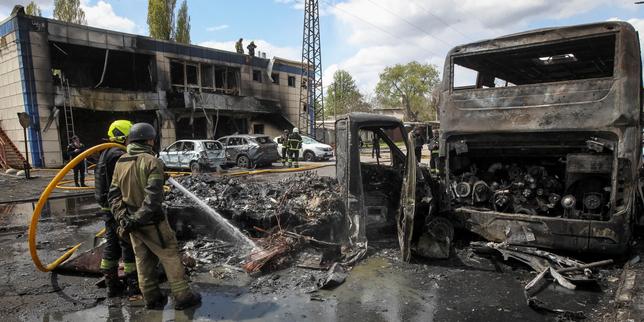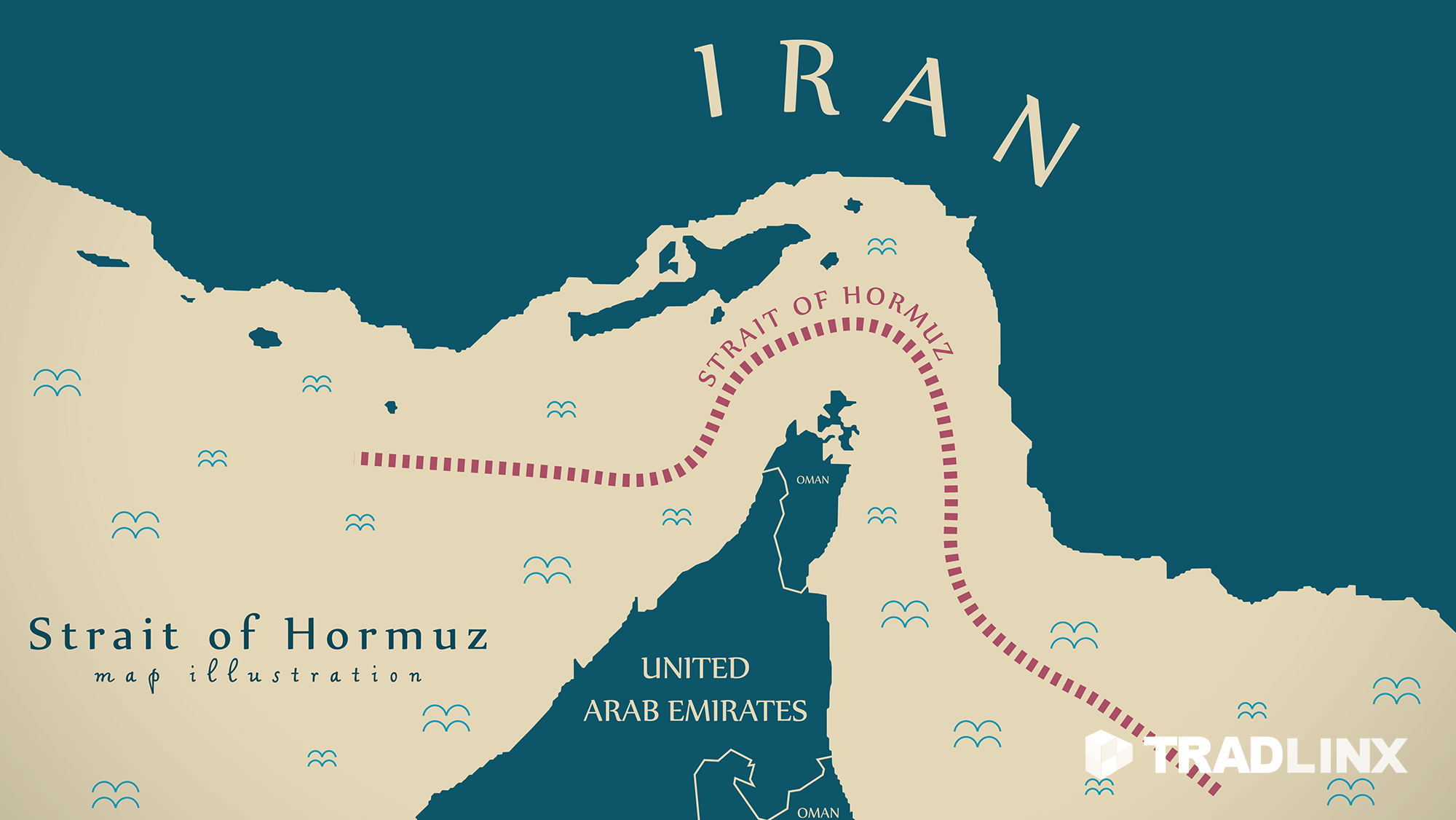
The global economy just hit a wall. If you haven't checked the price of gas or your heating bill in the last 24 hours, don't. It's ugly. Brent crude is screaming past $102 a barrel because the world’s most important bathtub drain—the Strait of Hormuz—is effectively clogged. This isn't just another diplomatic spat. It's a full-blown maritime standoff that’s making the 1970s look like a minor inconvenience.
Earlier today, UN Secretary-General Antonio Guterres did what the UN does best: he asked everyone to please be nice. Specifically, he urged "all parties" to respect freedom of navigation. It sounds professional. It sounds measured. But in the reality of April 2026, it sounds like a whisper in a hurricane. With a U.S. naval blockade now in effect and Iran already swatting away tankers for weeks, the UN’s plea for international law feels more like a nostalgic trip to a world that doesn't exist anymore.
Why the UN is Talking to a Brick Wall
The UN is leaning on the Law of the Sea (UNCLOS), but there's a glaring problem. Iran hasn't even ratified it. To Tehran, those waters are their backyard. They see the Strait as a sovereign lever they can pull whenever they feel backed into a corner. On the other side, you've got a U.S. administration that just watched peace talks in Islamabad crumble over the weekend. President Trump didn't wait for a committee meeting; he ordered a blockade of ships entering or leaving Iranian ports.
When the UN asks for "restraint," they're talking to two sides that have already thrown the first punch. The Security Council tried to pass a resolution last week to boost security in the Strait. It failed. Russia and China used their vetoes, arguing the resolution was too one-sided against Iran. This is the paralysis that defines modern geopolitics. While the diplomats in New York argue over adjectives, 20,000 seafarers are currently stranded on ships, essentially sitting ducks in a combat zone.
The Chokepoint that Holds Your Wallet Hostage
You've probably heard the stat before: 20% of the world’s oil flows through this tiny strip of water. But the raw numbers don't capture the sheer panic in the markets right now.
- Tanker traffic has cratered. We went from over 100 ships a day to just three supertankers over the weekend.
- The Insurance Nightmare. Even if a captain is brave enough to sail, no insurance company will touch a hull entering the Persian Gulf right now without a premium that would make a billionaire blink.
- GPS Jamming. It’s not just missiles. Regional players are using high-end electronic warfare that scrambles AIS signals. Ships don't know where they are, and more importantly, they don't know where everyone else is.
Honestly, we’ve spent decades pretending we could outgrow our dependence on this one chokepoint. We didn't. Saudi Arabia and the UAE have pipelines that bypass the Strait, but they can only handle about 6.8 million barrels a day. The world needs 20 million from this region to keep the lights on and the trucks moving. Do the math. There is no Plan B that doesn't involve a massive global recession.
The Fake Flag Game
Things are getting weird out there. Because Iran hinted it might let Chinese-affiliated ships through, we're seeing "ghost" tankers. A Liberian-flagged ship recently changed its destination signal to "CHINA OWNER_ALL CREW" just to try and sneak past the Iranian Revolutionary Guard. It’s a desperate move. When global trade turns into a game of "pretend you're with the other guy," you know the system is broken.
The UN’s call for "freedom of navigation" ignores the fact that navigation is currently a privilege, not a right. If you have the right flag or the right friends, you might get through. If you don't, you're stuck in the Indian Ocean waiting for a ceasefire that seems further away every hour.
What Happens When the Talking Stops
The UN says they want talks to continue "constructively." That’s a nice sentiment, but Vice President JD Vance basically called the Islamabad talks a waste of time because Iran wouldn't budge on its nuclear program. We're past the point of polite letters.
The immediate fallout is already hitting logistics chains. Natural gas prices in Europe jumped 18% this morning. In Malaysia, there are already warnings of a fuel crisis by June. This isn't some distant "over there" problem. It’s a "your grocery store is about to get much more expensive" problem.
Your Immediate Reality Check
If you're waiting for the UN to sail a white ship into the Strait and clear the way, stop. They don't have a navy. They have a microphone. Here is what you actually need to keep an eye on:
- Watch the Vetoes. If China and Russia don't budge at the Security Council, the U.S. and its allies will likely form a "coalition of the willing" to escort tankers. That is a recipe for a direct naval shootout.
- Monitor the "Risk Premium." Goldman Sachs thinks we’re looking at a $15 per barrel spike just for a one-month closure. If this drags into the summer, $120 oil isn't just a possibility; it's a certainty.
- Check the Pipelines. If Saudi Arabia ramps up its East-West pipeline to 100% capacity, it might take some of the sting out, but it won't fix the underlying supply hole.
The time for "urging" passed about three weeks ago. Now, we’re just watching the clock. If those 20,000 stranded sailors don't get a clear path soon, the global supply chain won't just bend—it’ll snap. Don't expect a diplomatic breakthrough to save your gas budget this week.