The global media is currently vibrating with the same tired script. Headlines scream about "US Piracy" and "Iranian Vengeance" as if we are watching a high-stakes naval thriller. They want you to believe we are one sparked fuse away from a total blockade of the world’s energy supply. They are wrong.
This isn’t a prelude to war. It’s a choreographed, high-stakes trade negotiation masquerading as a military standoff.
Most analysts look at a ship seizure and see a breach of international law. I’ve sat in rooms where these "incidents" are discussed by the people actually moving the cargo, and let me tell you: law is the last thing on anyone's mind. This is about leverage, optics, and the desperate need for both Tehran and Washington to look like they are doing something while actually doing as little as possible.
The Myth of the Strait of Hormuz Shutdown
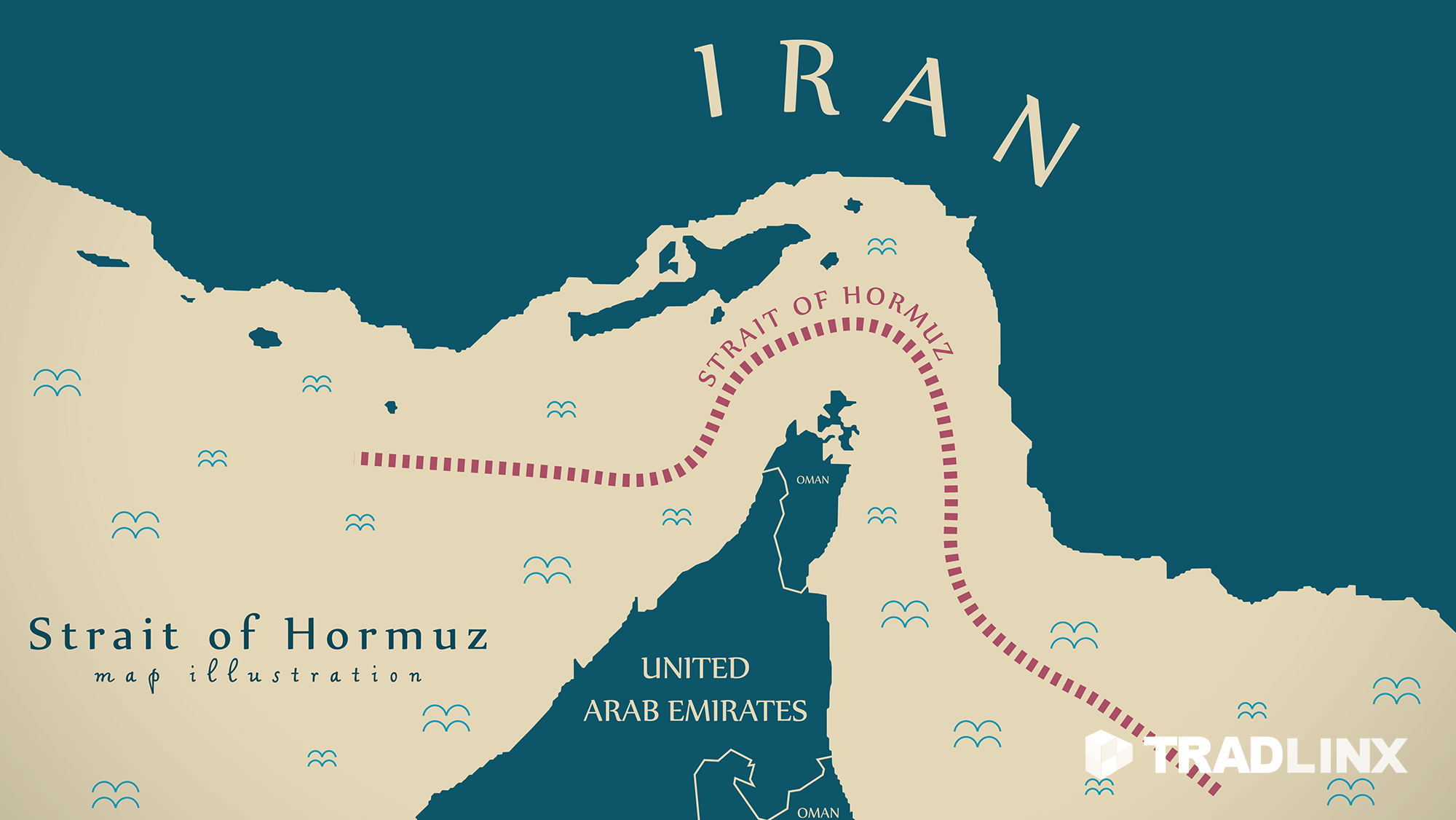
Every time a tanker is boarded, the "experts" start dusting off their maps of the Strait of Hormuz. They tell you that Iran could shut down 20% of the world’s oil flow tomorrow.
They won't.
Iran isn't suicidal. They are a state actor with a sophisticated understanding of the global commodities market. Shutting the Strait doesn't just hurt the "Great Satan"; it effectively ends the Iranian economy. It would alienate China—their primary buyer—and force a kinetic response that the Islamic Revolutionary Guard Corps (IRGC) knows it cannot survive.
The seizure of a vessel isn't a military maneuver. It’s a commercial lien with guns. When Tehran calls a US seizure "piracy," they aren't appealing to a moral high ground. They are signaling to their domestic base and their regional proxies that they are still a player. It is a performance for an audience of one: the internal hardliners who demand a "vow of response."
Commodities are the Real Commander in Chief
If you want to understand why these ships are being moved like chess pieces, stop looking at the Pentagon and start looking at the insurance premiums in London.
The "Lazy Consensus" suggests that these seizures are purely political. The nuance missed by the mainstream press is that these actions are often tied to specific, frozen assets. Iran isn't just grabbing ships for fun; they are trying to force a liquid exchange for funds trapped by sanctions in places like South Korea or Iraq.
The Cost of Doing Business in a Gray Zone
- War Risk Premiums: Notice how the market barely flinches after the initial headline? Traders have priced in this volatility. A ship seizure used to send Brent crude up five dollars. Now, it barely moves fifty cents. The world has grown bored of the drama.
- Flag of Convenience Fallacy: The media reports on these ships as if they represent the national pride of the US or Iran. Most are owned by shell companies, flagged in the Marshall Islands, and crewed by sailors who couldn't find Tehran on a map. The "national" insult is a fabrication for the news cycle.
- The Shadow Fleet: While the US and Iran play this public game of "Seize and Desist," a massive, unmonitored shadow fleet of tankers continues to move Iranian oil under the radar. The public seizures are the distraction that allows the real business to continue.
The Piracy Paradox
The US calls Iran a state sponsor of terrorism; Iran calls the US a pirate. Both are technically correct depending on which legal dictionary you use, but the labels are irrelevant.
When the US Department of Justice seizes a tanker carrying Iranian oil under civil forfeiture laws, they are using a legal loophole to fund the "US Victims of State Sponsored Terrorism Fund." When Iran seizes a ship in "retaliation," they are using the IRGC to enforce their version of maritime sovereignty.
It is a circle of extraction. Neither side wants to fix the problem because the problem is profitable. It keeps defense budgets high, it keeps oil prices from crashing too low, and it gives politicians on both sides a "foreign threat" to point at when their domestic approval ratings tank.
Stop Asking if War is Coming
The "People Also Ask" sections of the internet are flooded with queries like "Will Iran block the Strait of Hormuz?" and "Is the US going to war with Iran?"
The answer is a brutal, honest no.
A war would be a catastrophe for the global supply chain, yes. But more importantly, a war would end the current lucrative status quo. Right now, we have a manageable level of tension that serves everyone's interests.
Why Conventional Wisdom is Broken
- The "Vow of Response" is a PR Release: When Iran vows a response, they usually choose a target that is low-value and high-visibility. They want the headline, not the headache of a dead American sailor, which would trigger a real war.
- The US "Protection" Racket: The US Navy’s presence in the Gulf is as much about monitoring their "allies" in the region as it is about deterring Iran. It’s a theater of control that maintains the petrodollar’s dominance.
- Sanctions as a Permanent State: Sanctions aren't a tool to change behavior anymore. They are a permanent feature of the economic landscape. They create a black market that both sides eventually learn to exploit.
The Professional’s Perspective on "Tensions"
I have seen energy companies spend millions on "geopolitical risk assessments" that aren't worth the paper they are printed on. Why? Because they assume the actors are irrational or driven by ideology.
The IRGC is a business conglomerate with a military wing. The US State Department is an agency managing a global empire’s declining influence. Both are rational. Both are looking at the bottom line.
If you are a business leader or an investor, ignore the "Slamming" and "Vowing" in the headlines. Watch the shipping lanes, but more importantly, watch the bank transfers. When the seizures stop, it’s not because peace has broken out; it’s because a deal was made in a backroom in Muscat or Geneva.
The Reality of Maritime Sovereignty
The status quo is a mess, but it’s a functional mess. We have entered an era where "International Law" is a buffet—you take what you want and leave the rest for the smaller nations to fight over.
The US will continue to seize cargo it deems illegal. Iran will continue to harass tankers to maintain its leverage. This isn't a breakdown of the global order; it is the new global order. It is decentralized, aggressive, and entirely transactional.
Don't wait for a resolution. Don't wait for a "Final Deal." This is the deal.
The constant friction is the grease that keeps the regional political machine turning. The ship seizures are not an interruption of the system; they are the system functioning exactly as intended.
If you're still looking for a hero or a villain in this naval standoff, you've already lost the game. There are only players, and the prize is the ability to stay in the game for one more day.
Pack up your maps and your "War in the Gulf" bingo cards. The show is staying on the road, and the tickets are billed to the global consumer through higher prices at the pump and a permanent state of manufactured anxiety.
Welcome to the new normal of the high seas. It’s loud, it’s expensive, and it’s perfectly planned.