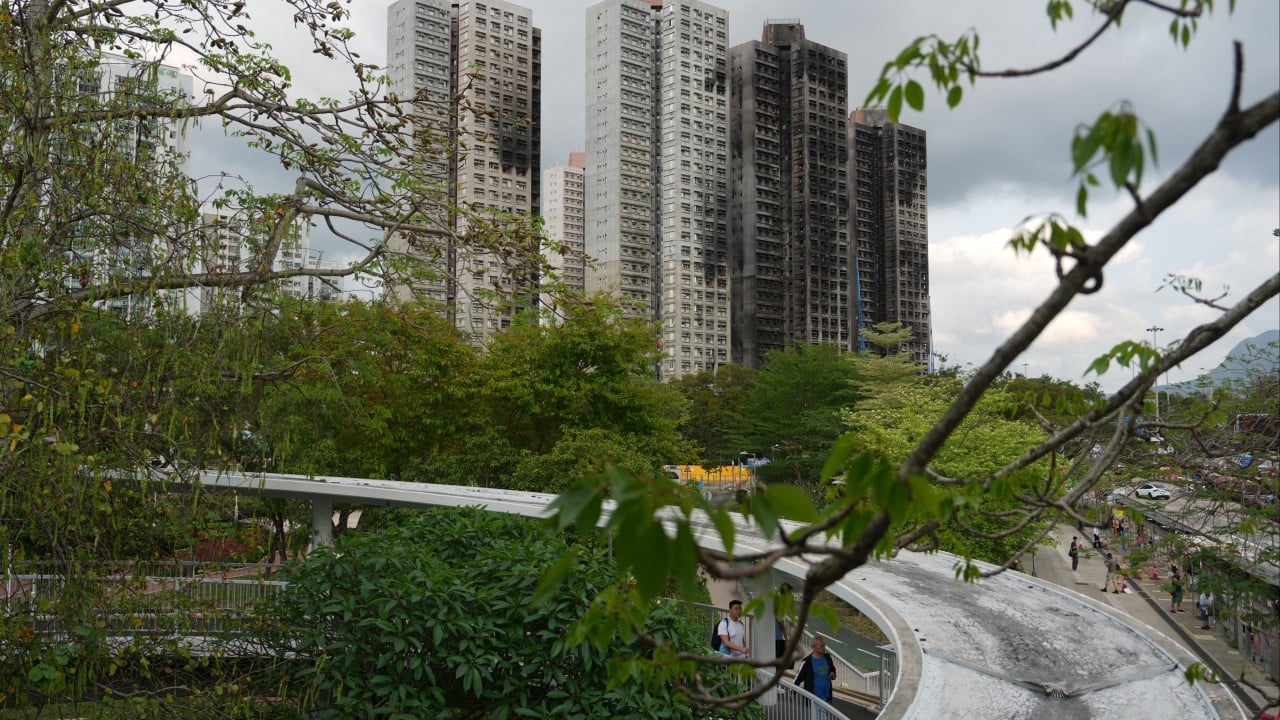
The fatality rate of a residential structure fire is not a product of chance; it is the terminal outcome of a failed sequence involving containment, early detection, and egress efficiency. The Coroner’s Court inquiry into the 2021 Tai Po fire—which resulted in the deaths of a mother, her two daughters, and their domestic helper—reveals a catastrophic collapse of these defensive layers. This case study deconstructs the incident through the lens of urban safety systems, examining why standard emergency protocols failed to mitigate a predictable fire progression in a high-density residential environment.
The Fire Growth Curve and the Flashover Threshold
Fire dynamics in a confined space are governed by the availability of fuel and oxygen. In the Tai Po incident, the fire originated in a multi-room residential unit, a setting typically characterized by high fuel loads in the form of synthetic polymers found in modern furniture. The transition from a localized flame to a fully developed fire—the flashover—occurs when the radiant heat flux from the upper smoke layer exceeds the ignition temperature of all exposed surfaces in the room.
The speed of this progression is the primary determinant of survival. For the residents trapped within the unit, the window for egress was likely closed before the Fire Services Department (FSD) arrived. The testimony indicates that the fire spread with sufficient velocity to cut off the primary exit path. This creates a "dead-end" scenario where the architectural layout of the apartment becomes a trap rather than a shelter.
The Mechanics of Smoke Inhalation and Incapacitation
Forensic evidence in high-rise fires consistently points to carbon monoxide (CO) and hydrogen cyanide (HCn) as the primary causes of death, rather than thermal burns. The Tai Po fatalities align with this mechanism. Smoke inhalation leads to rapid cognitive impairment and physical incapacitation, often within seconds in a poorly ventilated space.
- The Narcotic Effect: CO binds to hemoglobin with an affinity 200 to 250 times greater than oxygen, forming carboxyhemoglobin ($COHb$). This effectively starves the brain of oxygen.
- The Visibility Barrier: Particulate matter in the smoke reduces visibility to near zero, inducing spatial disorientation. For the victims, the inability to locate the door or a window during the initial moments of the fire was a critical bottleneck.
- The Thermal Shock: Even if oxygen levels remain breathable, the inhalation of superheated gases can cause laryngeal edema, leading to immediate airway obstruction.
Defensive Layer Failures: Detection and Containment
Urban fire safety relies on a "defense-in-depth" strategy. When one layer fails, others must compensate. In this instance, every layer failed in rapid succession.
Failure of Early Warning Systems
The absence of functional or localized smoke detection within the unit meant that the fire reached a critical energy state before the occupants were fully aware of the threat. In many older or non-standard residential conversions, the lack of interconnected smoke alarms prevents the "pre-flashover" intervention required for safe evacuation. The domestic helper and the mother were forced into a reactive mode, attempting to save the children only after the fire had established dominance over the environment.
Compartmentalization Deficits
Fire-rated doors and walls are designed to contain a fire for a specific duration (usually 60 to 120 minutes). However, this containment only works if the integrity of the compartment is maintained. If a door is left open during a panicked attempt to escape or if internal partitions have been modified, the fire utilizes the hallway as a chimney, pulling in fresh air and pushing toxic smoke into every remaining "safe" pocket of the home.
The Human Factor: Decision Making Under Acute Stress
The testimony provided by the surviving resident (the father) highlights the "freeze-fight-flight" cycle. Human behavior in fire scenarios is rarely rational in the economic sense; it is a desperate search for the path of least resistance.
The Rescue Attempt Paradox
The father’s attempt to re-enter or assist his family was hindered by the physical reality of the fire’s energy output. At the height of a residential fire, temperatures can exceed 600°C at the ceiling level. Without thermal protective equipment, human skin suffers third-degree burns in less than a second. This physical barrier creates a psychological trauma loop: the survivor is physically incapable of intervening, while the victims are trapped by a fire they did not detect in time.
The Domestic Helper as a First Responder
In many Hong Kong households, domestic helpers are de facto first responders. However, they rarely receive the specific fire safety training or equipment necessary to handle a high-magnitude event. The helper in this case perished alongside the children, suggesting that she prioritized the rescue mission over her own egress—a noble but high-risk decision that ultimately lacked the tactical support of an early warning system or an unobstructed exit.
Structural and Regulatory Bottlenecks in Older Residential Stock
The Tai Po fire occurred in a building type that often presents unique challenges for modern firefighting. Older walk-up buildings or renovated tenements frequently suffer from:
- Substandard Wiring: Overloaded circuits or aging insulation often serve as the ignition source.
- Obstructed Egress: Narrow corridors and the storage of personal items in common areas impede both the escape of residents and the entry of firefighters.
- Water Pressure Deficiencies: If the building’s internal fire hydrant system is poorly maintained, firefighters must rely on external water sources, increasing the "time-to-water" on the fire floor.
The Coroner’s inquiry must determine if the building's fire safety provisions met the current Codes of Practice or if there were unrecorded alterations that compromised the structure’s fire resistance.
Operational Limitations of Emergency Response
While the FSD is tasked with rescue, their effectiveness is a function of "Response Time + Setup Time."
- The Communication Lag: The time between ignition and the first 999 call is often the longest phase. In the Tai Po fire, the delay in notification meant the fire was already in the fully developed stage upon arrival.
- Vertical Transit: Every floor of elevation adds significant time to the rescue operation. Moving heavy equipment up narrow stairs or through smoke-filled lobbies creates a physical ceiling on how fast a rescue can be executed.
- Search and Rescue Complexity: Finding four individuals in a zero-visibility, high-heat environment is a high-entropy task. Firefighters must use thermal imaging and manual sweeping, a process that is slow and dangerous.
A Systematic Framework for Mitigation
To prevent the recurrence of the Tai Po tragedy, the focus must shift from reactive "firefighting" to proactive "systemic resilience." This requires a three-pronged approach:
Mandatory Localized Detection
The installation of standalone, battery-operated smoke detectors must be standardized across all residential units, regardless of building age. The cost-to-benefit ratio is irrefutable: a $200 HKD device provides the 120-second warning that differentiates a manageable kitchen fire from a quadruple fatality.
Community-Level Fire Readiness
The reliance on professional firefighters for the initial 5 to 8 minutes of an incident is a systemic vulnerability. Training programs for residents and domestic helpers on the use of fire blankets and extinguishers, and more importantly, on the decision-making process of "Stay-Put vs. Evacuate," are essential.
Stricter Enforcement of Common Area Integrity
The "chimney effect" in Hong Kong’s high-density corridors is lethal. Strict, non-negotiable enforcement against the obstruction of fire doors and the storage of flammable materials in stairwells is the only way to ensure that egress paths remain viable during an emergency.
The findings from the Tai Po inquiry should not merely be viewed as a record of a tragedy, but as a technical mandate for upgrading the safety protocols of Hong Kong’s aging residential infrastructure. The loss of four lives is a definitive indicator that the current "minimum compliance" mindset is insufficient for the complexity of modern urban living.
Immediate intervention should prioritize the retrofitting of smoke detection in high-risk residential units and a city-wide audit of fire door integrity in aging structures. The survival of families in the next inevitable fire depends entirely on the seconds gained through early detection and the reliability of the compartmentalization intended to protect them.