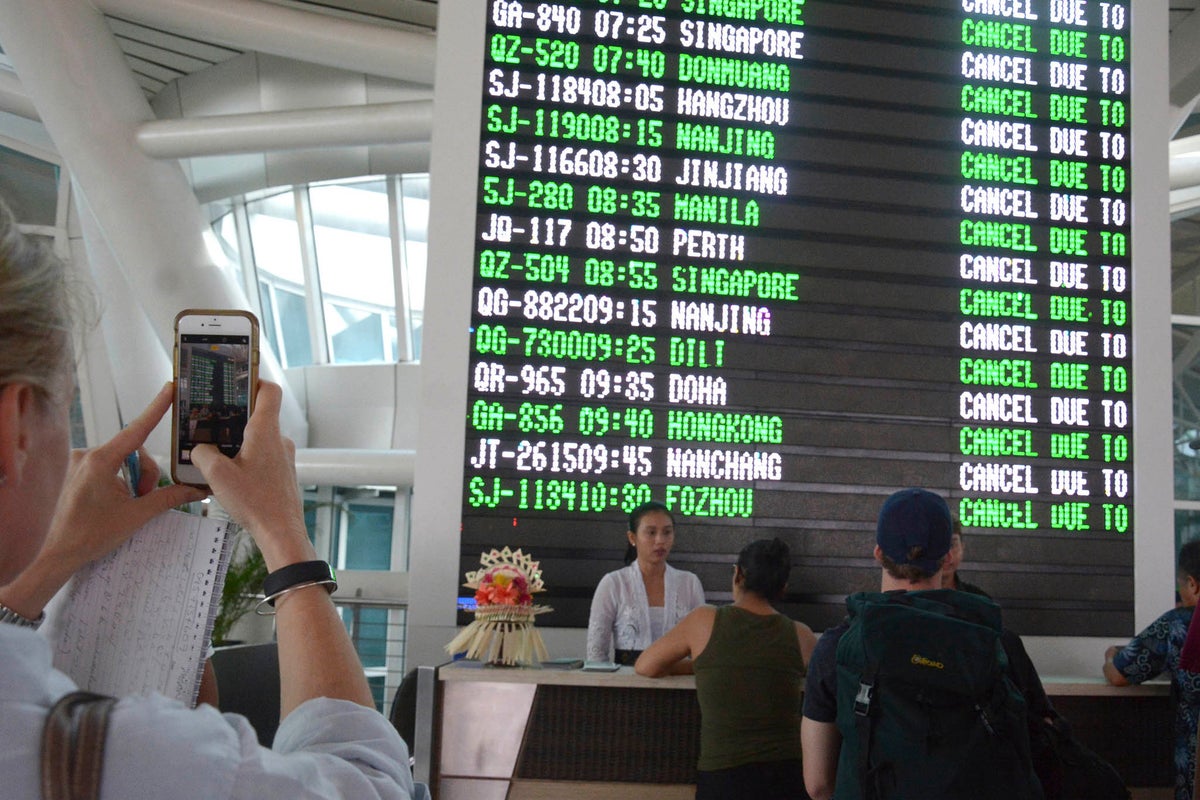
The air in Terminal 4 smells like stale sourdough and desperation. It is a specific scent, one that only manifests when three thousand people realize simultaneously that they aren’t going anywhere. You see it in the eyes of a father leaning against a cold marble pillar, clutching a limp stuffed giraffe like a holy relic. His eyes are fixed on the departure board, watching the red letters flicker from Delayed to Cancelled with the silent, rhythmic cruelty of a heartbeat.
We have been told for years that travel is a luxury, a hobby, or a checkbox on a bucket list. But in these moments, travel is something more visceral. It is the bridge to a dying parent’s bedside. It is the fragile window of a first anniversary. It is the only ten days of the year when a corporate lawyer gets to be just a dad. When that bridge collapses, it isn’t just a logistical hiccup. It is a heartbreak.
The chaos of summer travel is not an accident. It is a predictable collision between a fragile system and an unstoppable human desire to move. To survive it, you have to stop thinking like a passenger and start thinking like a chess player who knows the board is tilted.
The Myth of the Connecting Flight
Consider Sarah. Sarah is hypothetical, but her bruises are real. She booked a flight from Des Moines to Dubrovnik with a forty-five-minute layover in Chicago. On paper, it was efficient. In reality, it was a suicide mission.
A forty-five-minute window assumes a perfect world. It assumes the pilot didn't have to wait for a late crew member, that the ground crew isn't short-staffed, and that a rogue thunderstorm hasn't decided to park itself over Lake Michigan. In the current aviation climate, "perfect" is a fairy tale.
The industry is currently grappling with a cocktail of pilot shortages and aging infrastructure. When one gear in the machine slips, the entire assembly line grinds to a halt. If you book a connection with less than two hours of breathing room, you aren't booking a flight; you are booking a seat in a customer service line that stretches into the next time zone.
The strategy here is boring, but it is life-saving: fly direct. If you can't fly direct, choose the longest layover you can tolerate. Spend that extra two hours eating overpriced hummus and watching people sprint toward closing gates. It is a far better fate than being the one doing the sprinting.
The Dawn Patrol Advantage
There is a specific, haunting beauty to an airport at 4:00 AM. The lights are too bright, the coffee is too hot, and everyone looks like they’ve just survived a minor shipwreck. But these early risers are the smartest people in the building.
Weather is a cumulative beast. Convective activity—the stuff that turns white clouds into angry, flight-canceling monsters—usually builds as the sun heats the earth. By 3:00 PM, the atmosphere is a powder keg. By 6:00 PM, the delays from the East Coast have trickled down to the West, creating a ripple effect of "crews timed out" and "aircraft out of position."
The 6:00 AM flight is different. The plane usually spent the night at the gate. The crew is fresh. The air is stable. If you are on the first bird out, you are statistically more likely to actually reach your destination. Yes, you will be tired. Yes, your internal clock will scream. But you will be tired in a hotel room in Rome rather than on a piece of carpet in Charlotte.
The Ghost in the Machine
We live in an age of digital convenience, yet when the system breaks, we revert to primal instincts. We stand in line. We wait for a gate agent who is being paid nineteen dollars an hour to be screamed at by three hundred people.
This is a tactical error.
While the masses are queuing up, the ghosts are winning. The "ghosts" are the travelers who understand that the airline's app is often faster than the human at the desk. But even the app has its limits. The real secret weapon is the international call center.
When a flight cancels in Dallas, every local phone line is jammed. But the airline’s customer service desk in Fiji or London might be wide open. Use a VOIP service to call the international support lines. While the man in front of you is venting his frustrations to a weary agent, you could be talking to a calm voice in another hemisphere who can see the last three seats on the next flight out.
The Carry-On Manifesto
There is a certain type of traveler who looks at the overhead bin with a sense of entitlement, and another who looks at the cargo hold with a sense of dread. Be the latter.
Checked luggage is a hostage situation. In the summer of chaos, the baggage handling systems are the first things to buckle. When a flight is rerouted or canceled, your suitcase often embarks on its own solo journey, a tragic odyssey through the bowels of airports you never intended to visit.
If you cannot fit your life into a bag that stays within your sight, you are giving the airline permission to lose your identity for a week. Pack three outfits and a bottle of sink-wash detergent. Wear your heaviest shoes on the plane. The freedom of walking off a jet bridge and straight out the front door, while everyone else huddles around a motionless carousel like they’re waiting for a miracle, is a high that no first-class upgrade can match.
The Hidden Insurance of Choice
We often choose flights based on a twenty-dollar price difference. We hunt for the "deal" like it’s a sport. But the cheapest ticket is often the most expensive mistake you’ll ever make.
Look at the tail fin. If you are flying a budget carrier with a fleet of twelve planes, and one of those planes has a mechanical issue, you are stuck. They don't have a spare aircraft sitting around. They don't have interline agreements with the major carriers to put you on a competitor's flight. You are simply... there. For days.
The legacy carriers—the giants with the sprawling networks—have a hidden insurance policy: redundancy. They have more planes, more pilots, and more ways to shuffle the deck when the house of cards starts to wobble. That extra fifty dollars isn't for the pretzels; it’s for the peace of mind that comes with knowing there is a Plan B, C, and D.
The Human Toll of the Skyway
We have to talk about the anger.
Last July, I watched a woman throw a lukewarm latte at a gate agent because her flight to Orlando was pushed back two hours. The agent didn't flinch. She just looked down at her stained shirt with a resignation that was more painful to watch than the outburst itself.
When the chaos hits, we feel small. We feel like the universe is conspiring against our joy. But the person behind the plexiglass didn't break the plane. They didn't summon the storm. They are just the messenger, trapped in the same broken machine as you, except they have to stay there for twelve hours while people treat them like a punching bag.
Kindness is not just a moral choice; it is a pragmatic one. An agent who likes you will look for the "hidden" seats. They will waive the change fee. They will find the voucher that "doesn't exist." In a world of automated rejections, a human connection is the only thing that can still bypass the rules.
The Last Resort
Sometimes, despite every precaution, the machine wins. You are grounded. The hotels are booked. The rental cars are gone.
This is where the narrative shifts. You can be the victim of the story, the person weeping in the terminal, or you can be the protagonist. Some of the best stories start with a canceled flight. A six-hour drive through a state you’ve never seen. A midnight dinner in a greasy spoon diner with a group of strangers who were supposed to be on your flight.
The chaos of summer travel is a reminder that we are not as in control as we think. We are fragile creatures moving through a complex, overburdened sky. The trick isn't to avoid the chaos—that's impossible. The trick is to bring enough of your own light that the darkness of a terminal at midnight doesn't feel quite so vast.
Pack a portable charger. Download your favorite movies. Carry an extra set of underwear in your purse. And when the red lights start flashing on the board, take a deep breath.
The destination is just a place. The journey, however broken, is where the life happens.
The father in Terminal 4 finally puts down the stuffed giraffe. He walks over to his daughter, who is sleeping on a pile of coats. He doesn't wake her to tell her the bad news. He just sits down next to her, leans his head against the cold glass, and watches the lightning dance over the runway, waiting for the sun to rise on a different kind of trip.